
It is in 2004 that the old factory Belding Corticelli has been shut down. Since then, it has been abandoned and floors has been waved at the mercy of weather that infiltrate by the roof and windows. Long time ago, there has been manufactured...

Urban and rural photographic exploration
The abandoned Baranja sugar factory
National Pride
Šećerana, Croatia
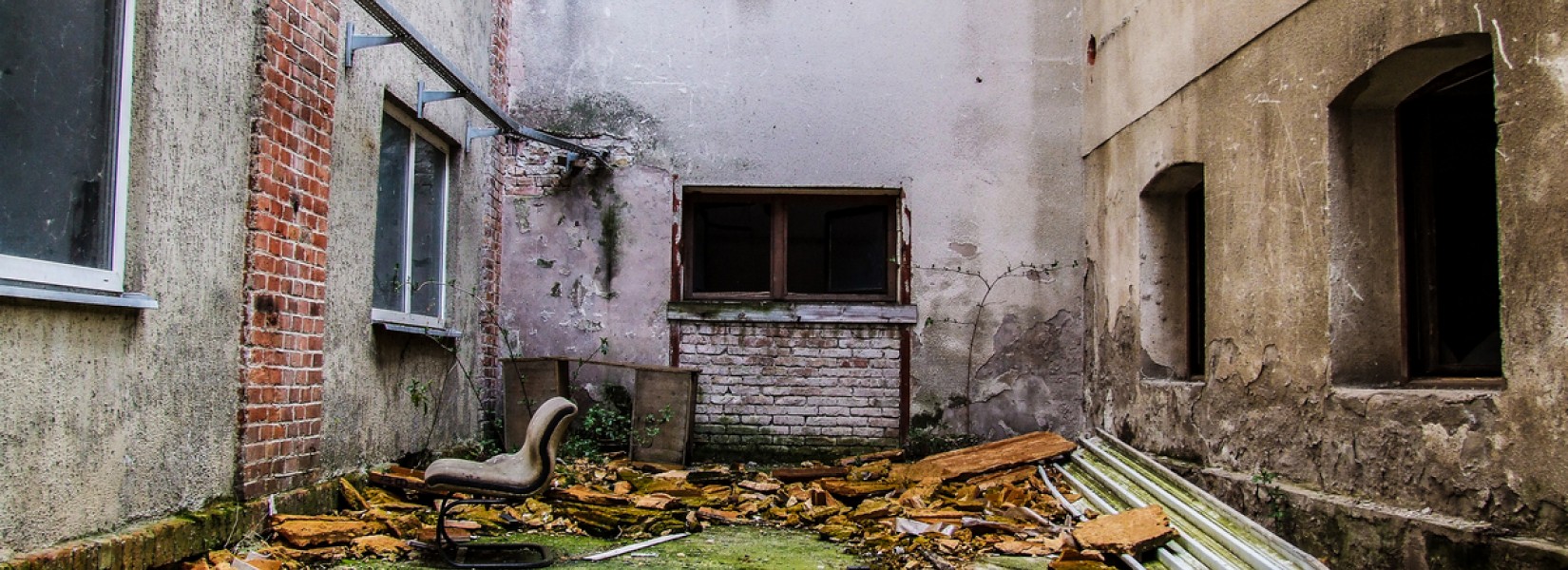
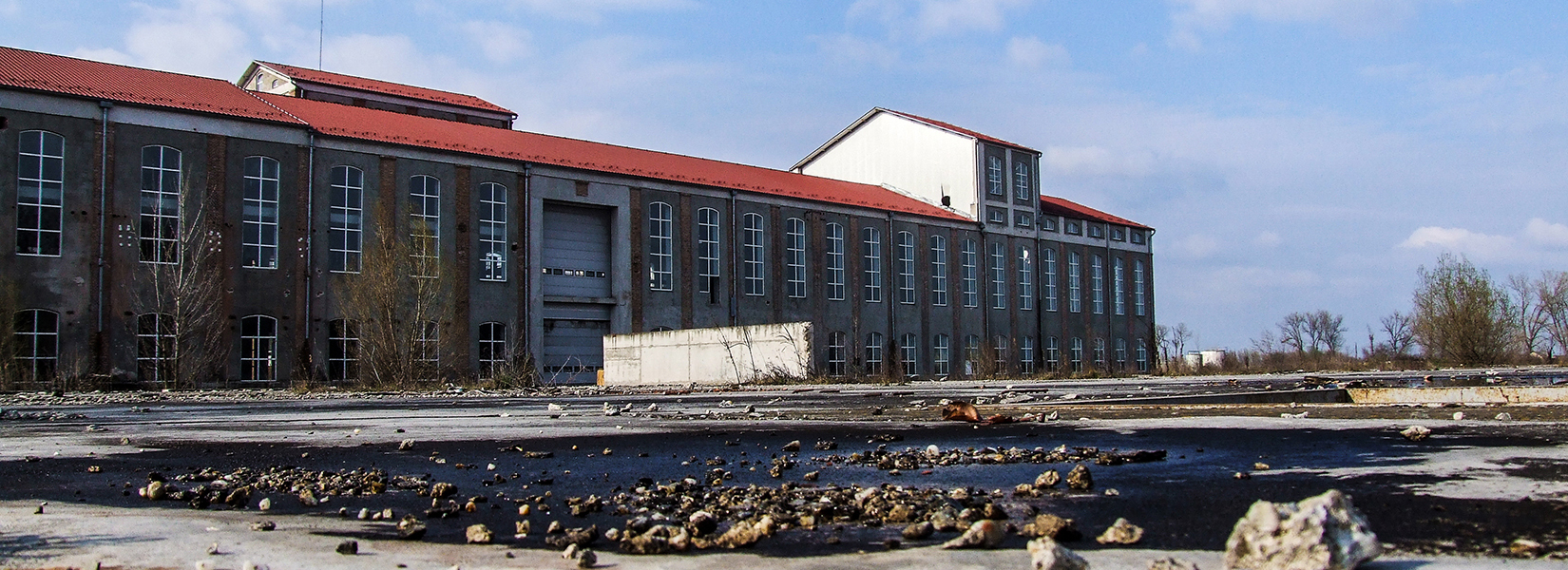
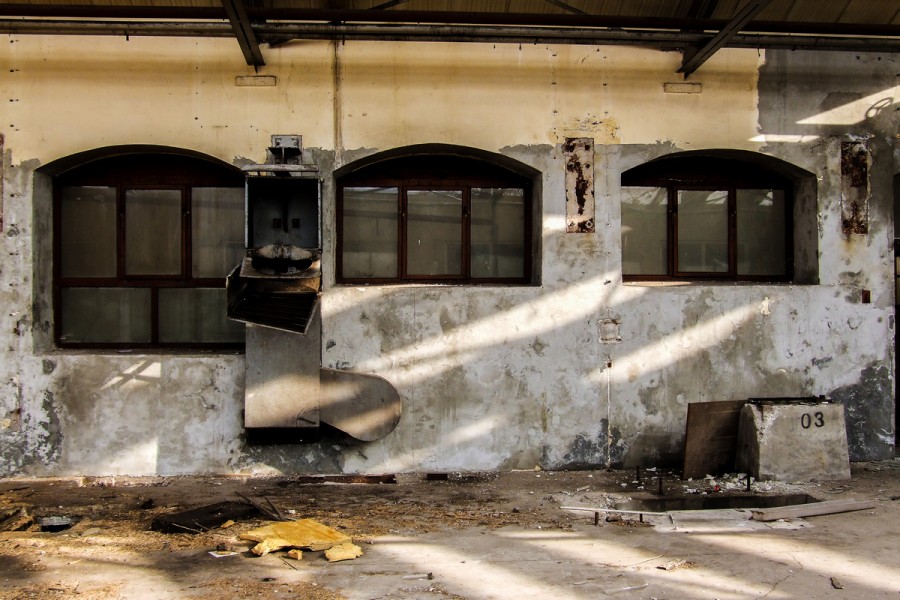
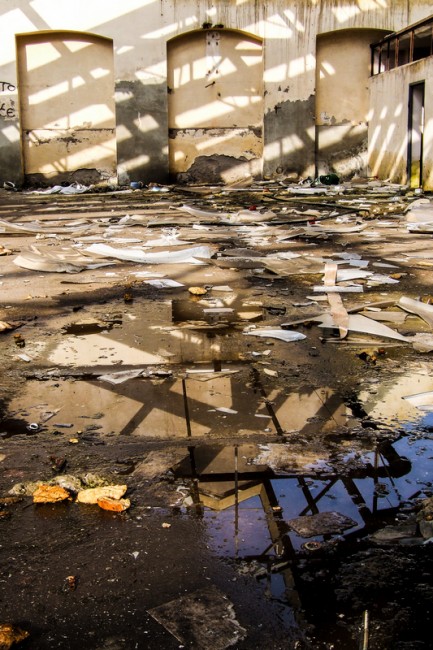
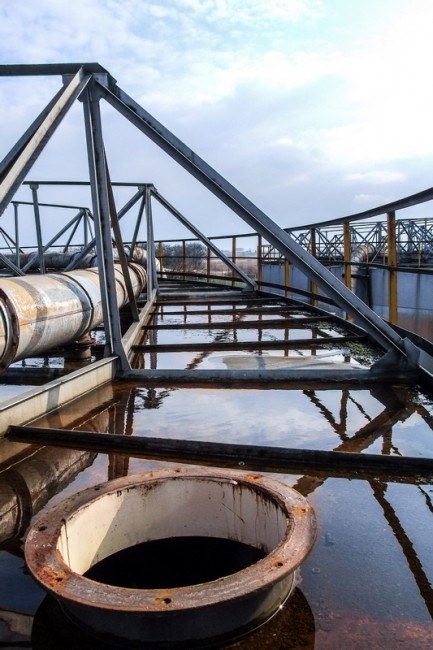
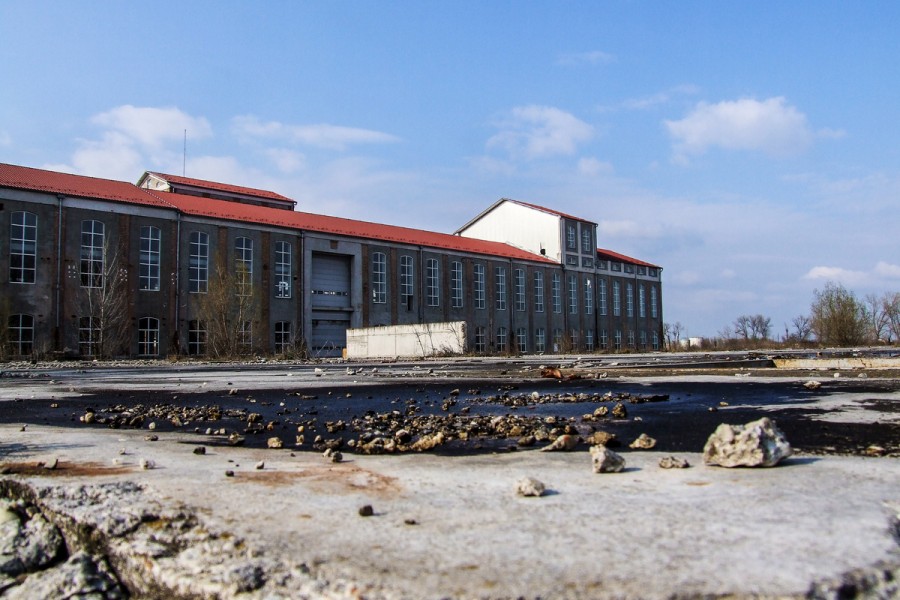
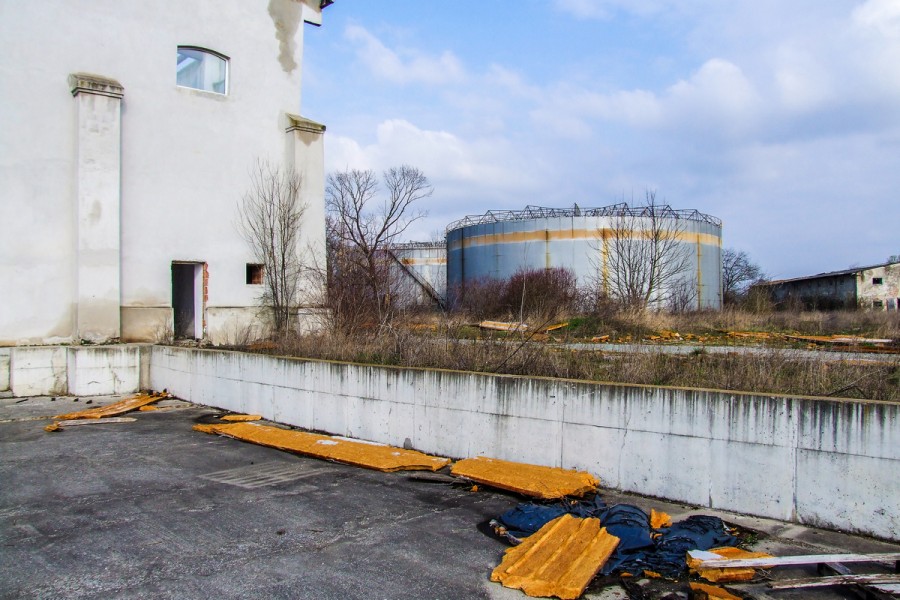
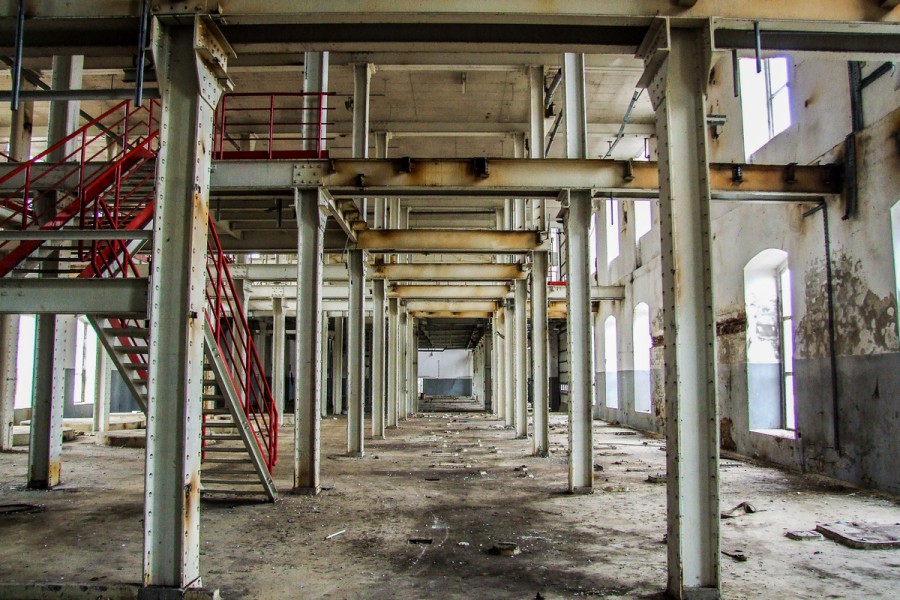
Located in the region of Baranja in Croatia, Šećerana is a settlement of 559 inhabitants near Beli Manastir. Today forgotten and half destroyed, the old Baranja Sugar factory has been built in 1898 and became a state company in 1906. Funded with the Prince Friedrich Karl of Prussia’ money, he also accepted a rate of 1,5%. Known as the greatest flourishing in the seventies and the eighties, there were more than hundred workers at its golden age.
In the 90s, the sugar plant is closed by its owner: PIK Belje. But in 2004, the plant is reopened and it starts to produce starch. The plant is finally closed few years later.
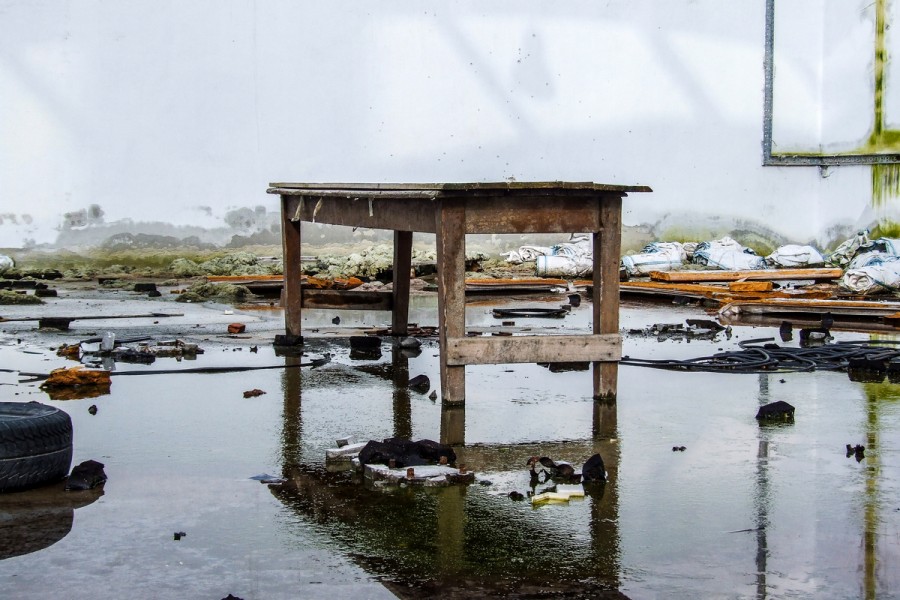
Today, half of the plant has been destroyed and Šećerana is a little town who lost more than a plant: there is no more restaurant, discotheque or bowling.

Photo gallery
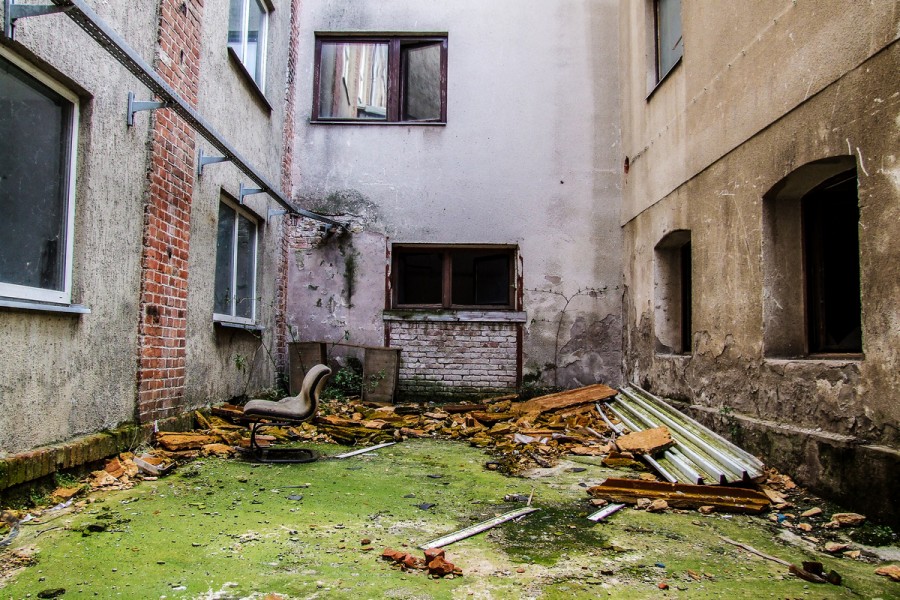
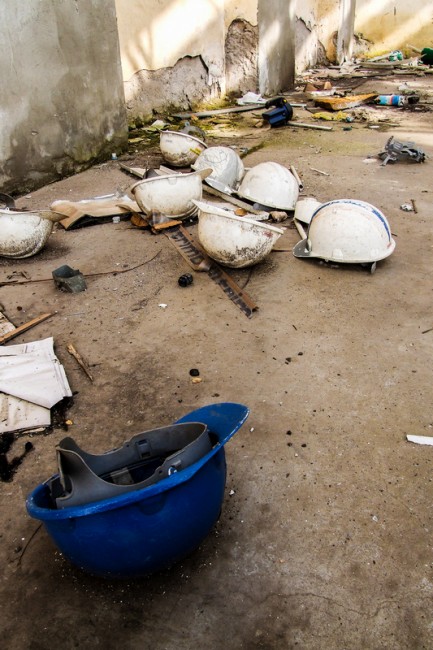
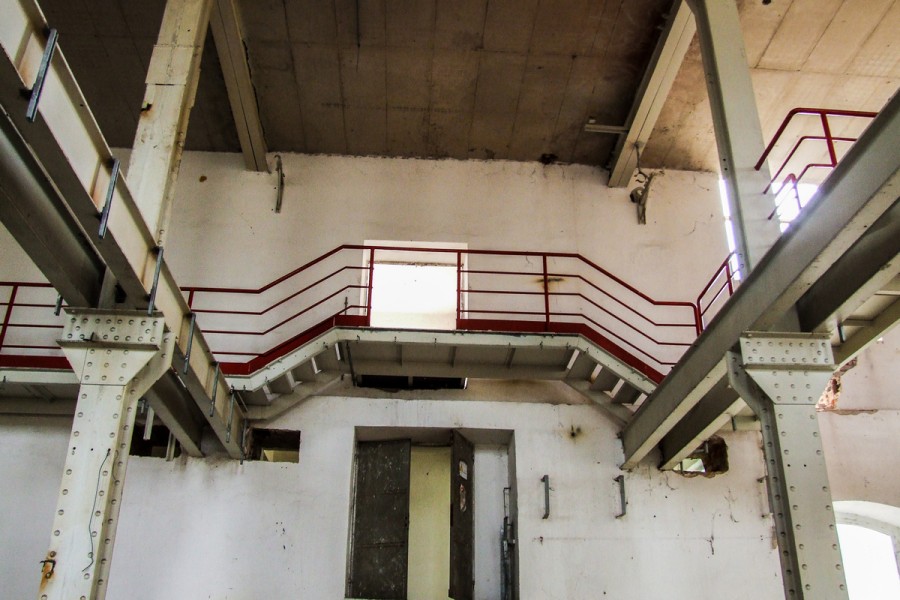
Interested by this place? Here are more pictures of the abandoned Baranja sugar factory.




Urbex Playground
needs you !
You have information about this place? Better still, you have pictures of this place that you are willing to share? Well, hurry to click this button before I came to kick your ass!
Related content
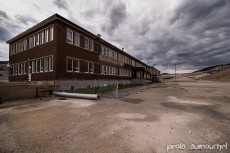
Gaspésie, Quebec (Canada)
It takes a lot of motivation to get to this old mine and foundry abandoned since 2002. For it must be admitted that we are rather far from everything in this distant municipality of 650 inhabitants. Moreover, if this village exists, it is above...
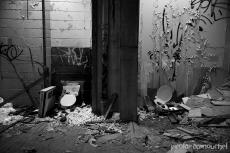
Montréal, Quebec (Canada)
The plant itself is definitively not as great at we saw in other places. Located in the heart of Pointe-Saint-Charles neighborhood of Montreal, this two storey building has no longer the cachet of its heyday. While neighboring buildings are...
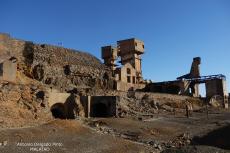
São Domingos, (Portugal)
Located in São Domingos (province of Alentejo) south of Lisbon, capital of Portugal, the mine of Achada do Gamo is an abandoned open pit mine. Located in the heart of the Iberian Pyrite Belt, which extends from southern Portugal to Spain, the...


About Urbex playground
First of all, Urbex Playground is about urban and rural photography lovers. It is the respect of the places we have visited and to whom we have a great admiration. Of its contents, Urbex Playground wishes to preserve the memory of these abandoned, destroyed or dilapidated places who have made the glory of our fathers and which today we have, alas, not enough compassion.
We are not vandals or people necessarily involved in the preservation of these places. We do not pretend to believe that our pictures will change anything in the future of these churches, factories, homes and other abandoned buildings. We're just passionate about the image in the perpetual quest for new photographic challenges.
Urbex Playground is not a photo club, any more than we are touristic guides for these forbidden places. Moreover, in any case, Urbex Playground do not invites you to visit these places without the consent of its owners. These places are dangerous and by entering into these places, legal actions can be taken against you.
However, if you have pictures or information about any abandoned places, do not hesitate to contact us. We will be glad to publish them on the site, including your credit with your name and your website. Like this, our visitors will be able to visite your own website. Do not hesitate to contact us if you have any questions.
Urbex playground is social
Follow us on the following social network. Make sure also to visit these amazing websites by some of our members.
© 2018 Urbex Playground is a creation of Jarold & go. All rights reserved.