Victim of the globalization of markets, the history of Stelfil Ltd. has suddenly stopped on March 28, 2008 for the factory and its hundred employees. The company has been decorated in 2002 in the Great manufacturing company category by the...

Urban and rural photographic exploration
The Dickson incinerator in Montreal
The pollution plant
Montréal (Quebec), Canada
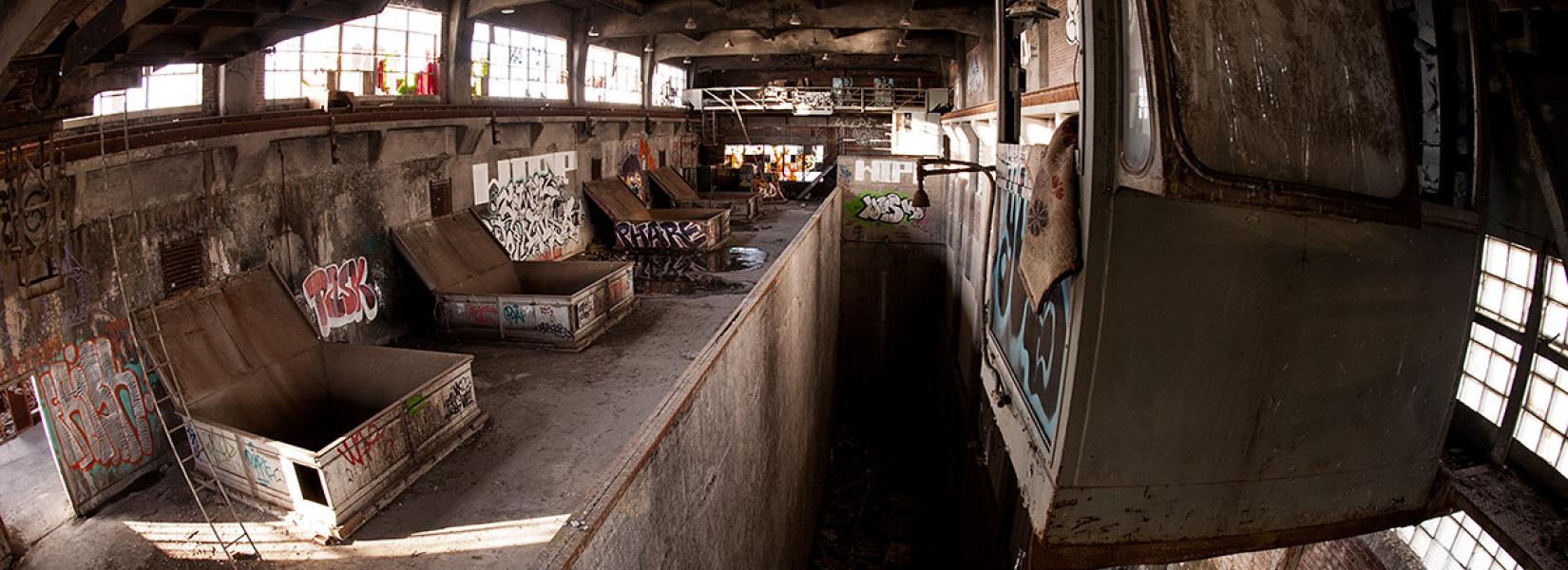
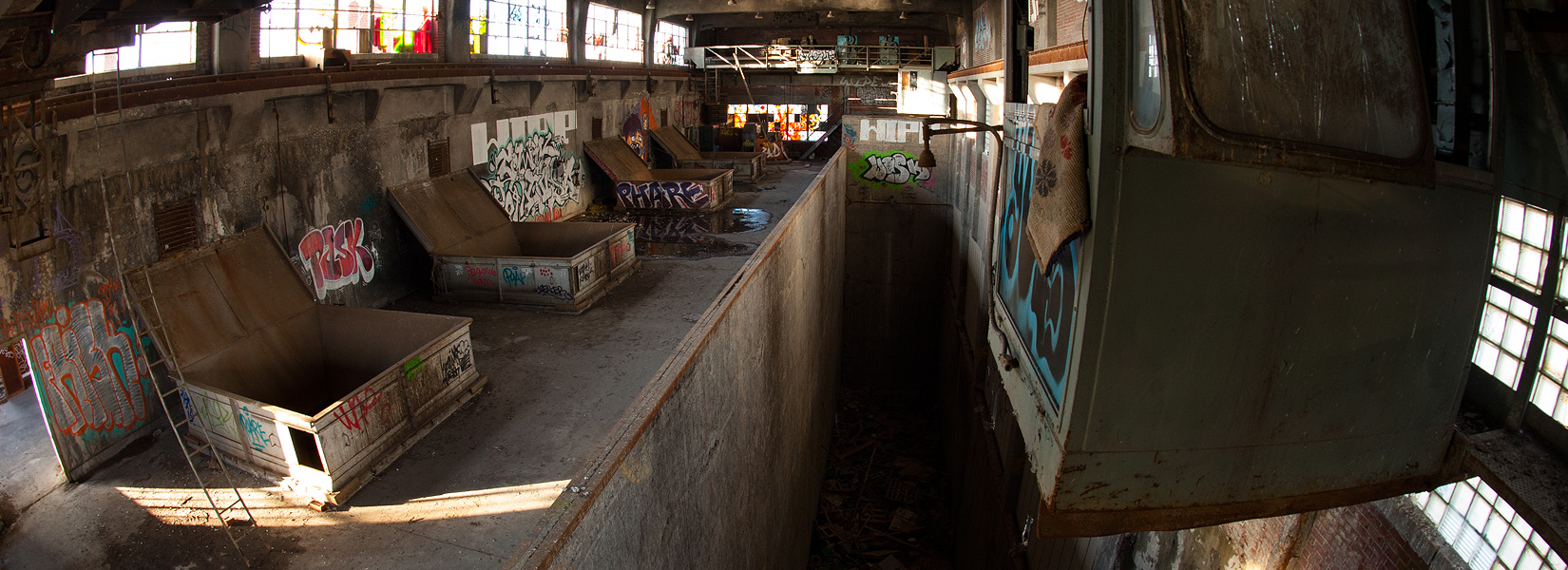
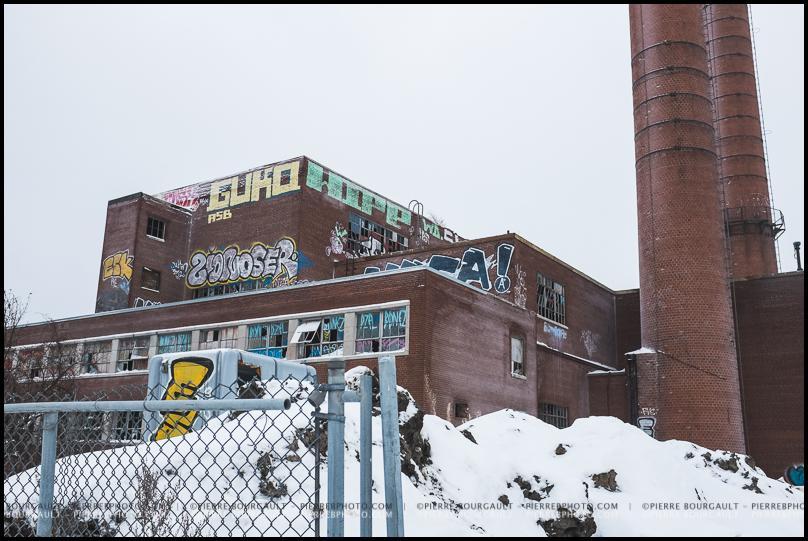
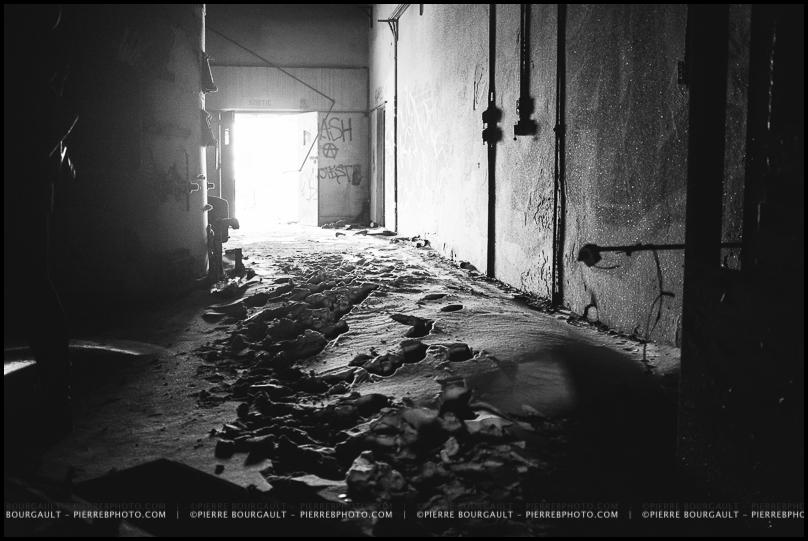
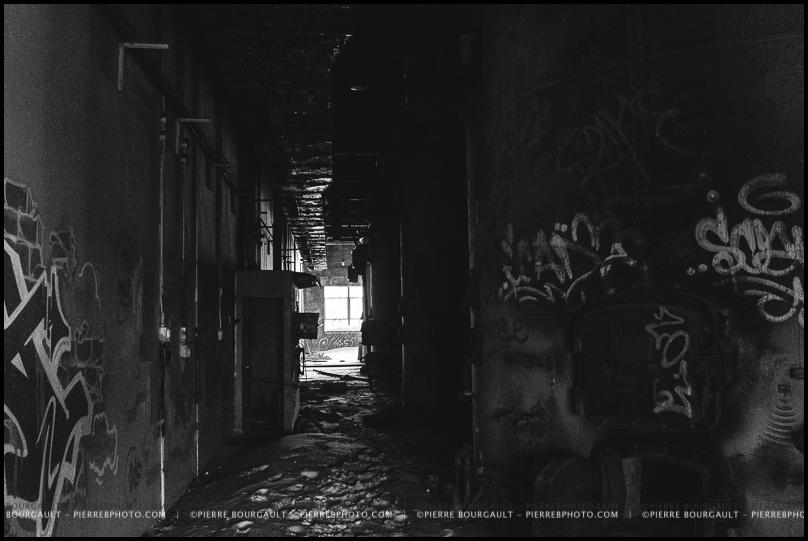
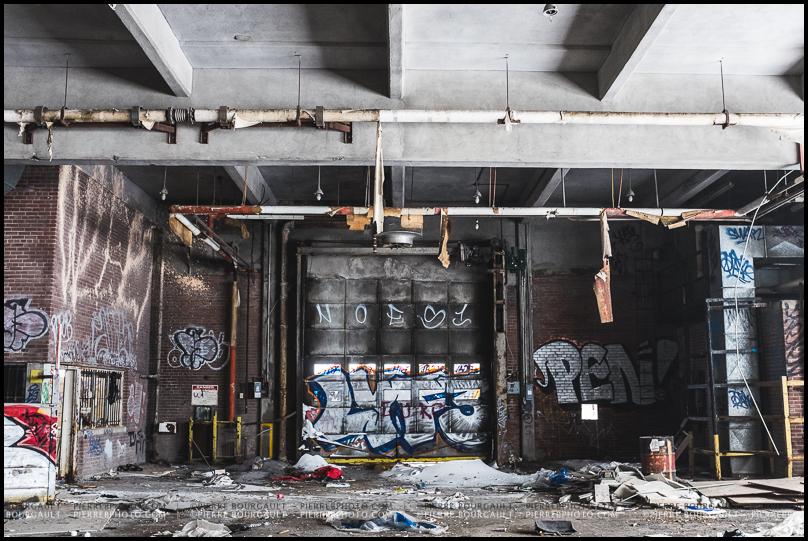
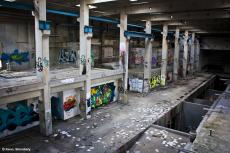
Built in 1954, the Dickson incinerator was, at the time, the most modern one in North America. It was built to replace these old incinerators where horses were used for harvesting waste.
In the 1920s, the city of Montreal was struggling with dumps that gave off strong emanations, sources of diseases of any kind. That explains why at the end of the decade, it was decided to build a first incinerator at the corner of Papineau and des Carrières Street and a second on Atwater Street.
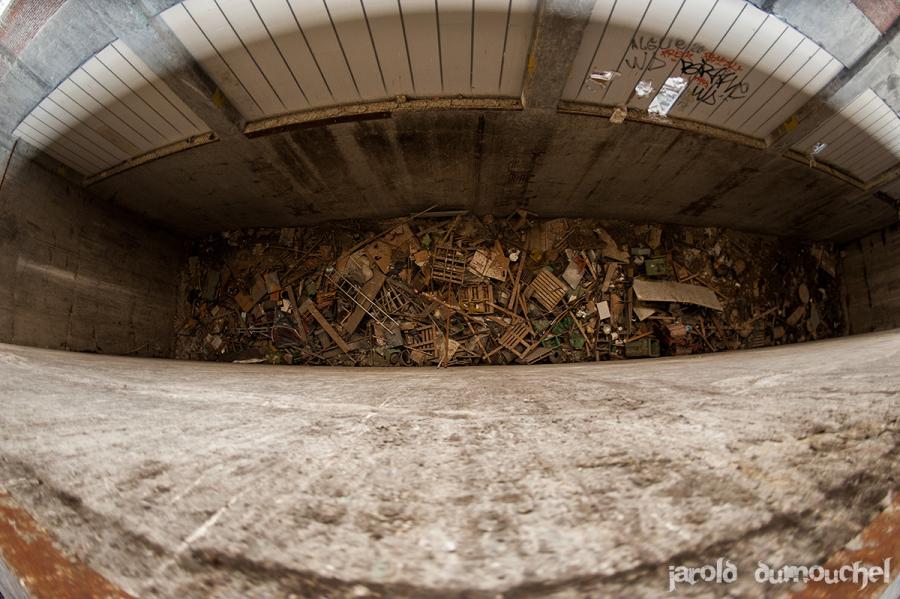
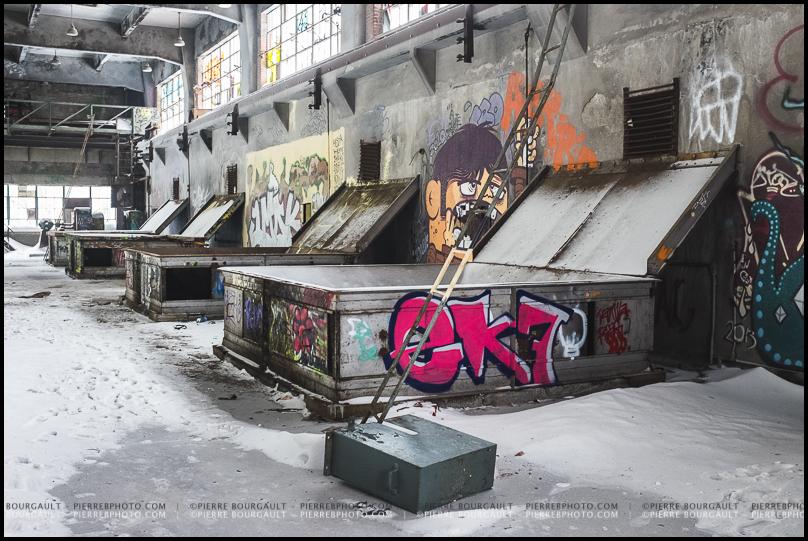
But, with the advent of the first garbage dumpsters, the existing facilities became obsolete and a new incinerator was required. In 1954 began the construction of the new incinerators on Dickson Street and Royal mount avenue (the latter has been destroyed.) The unloading platforms were located above street level to facilitate the unloading of trucks and allow the discharge of waste directly into large pits. Also, the exterior routes to access the platforms were heated to prevent ice formation during winter and all operations were mechanized and dry waste was organized to burn without fuel. The heat emitted by combustion was recovered and used to heat municipal buildings nearby.
The Dickson incinerator was equipped with two chimneys and represented, at the time, a gem in waste management technology. However, as this source of pollution was too large, it was responsible for the degradation of the air in the area. The authorities decided to cease all activities in 1978.
Sources:
- Wikipedia (french)
- Heritage of the city of Montreal (french)

Photo gallery
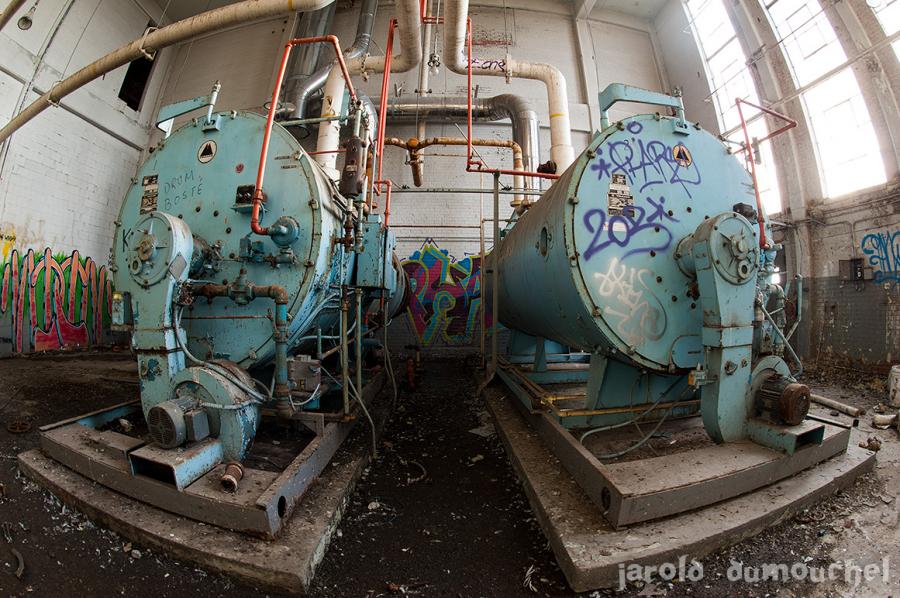
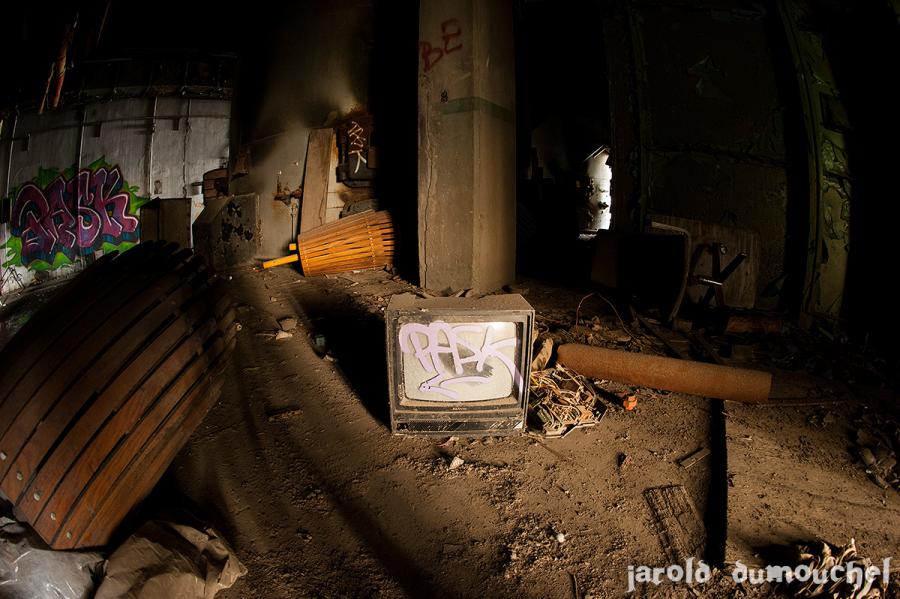
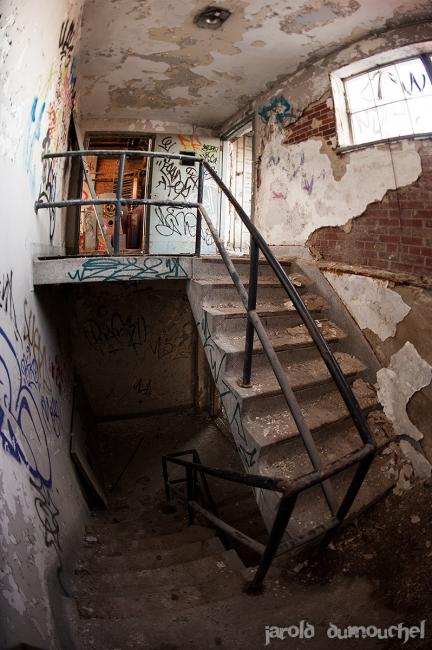
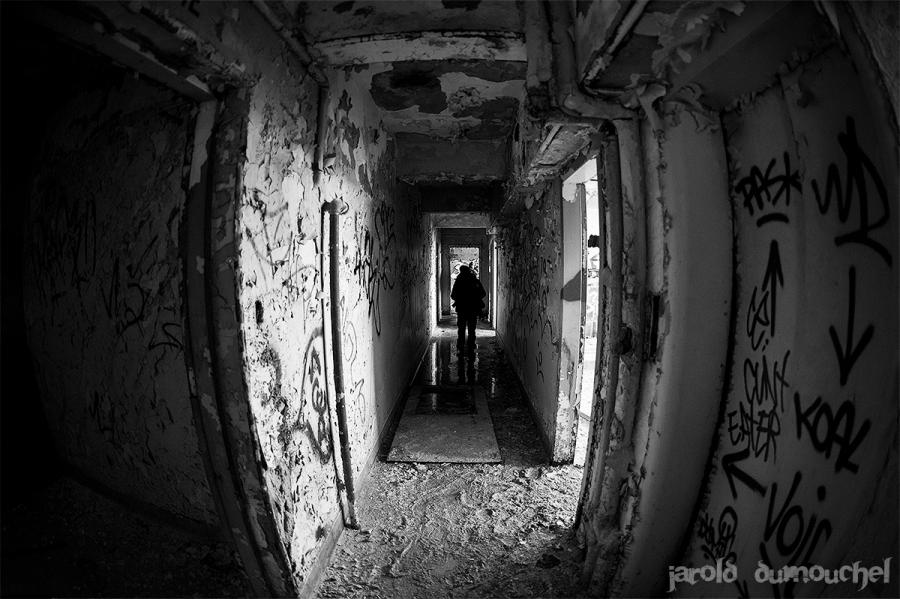
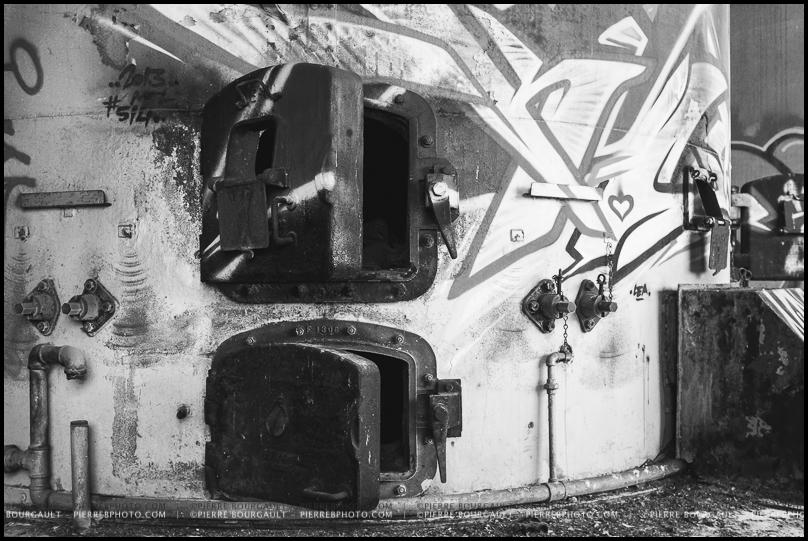
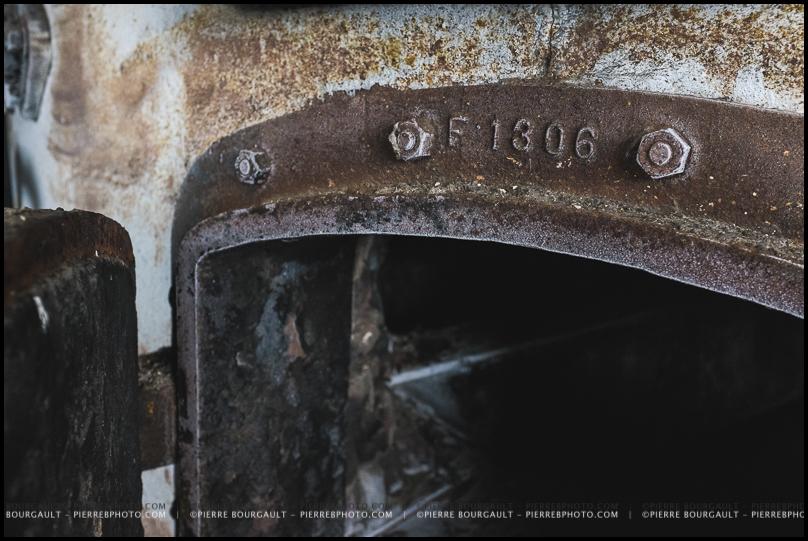
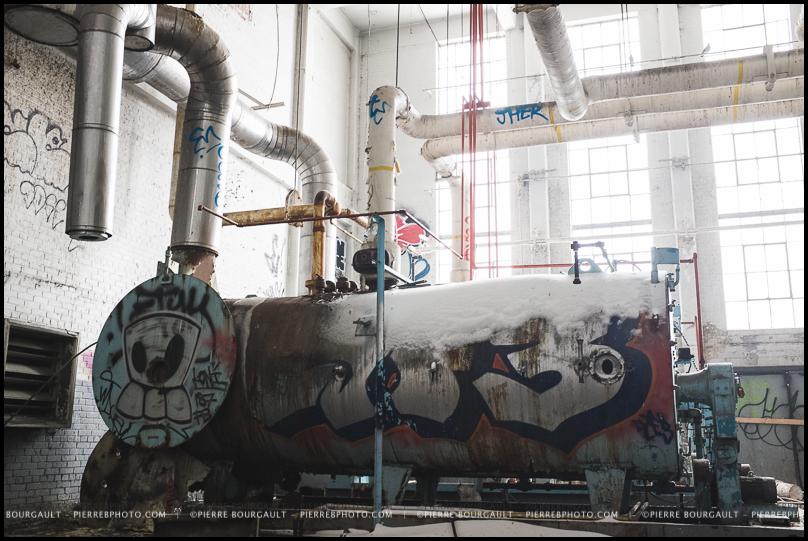
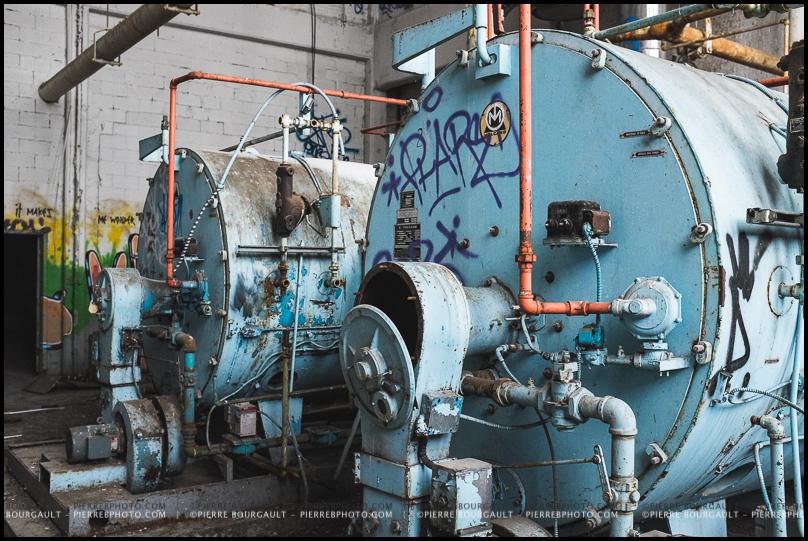
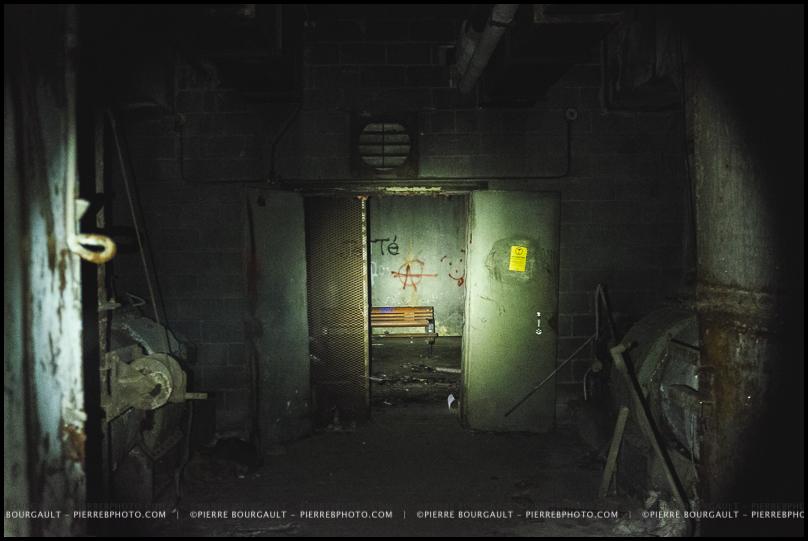
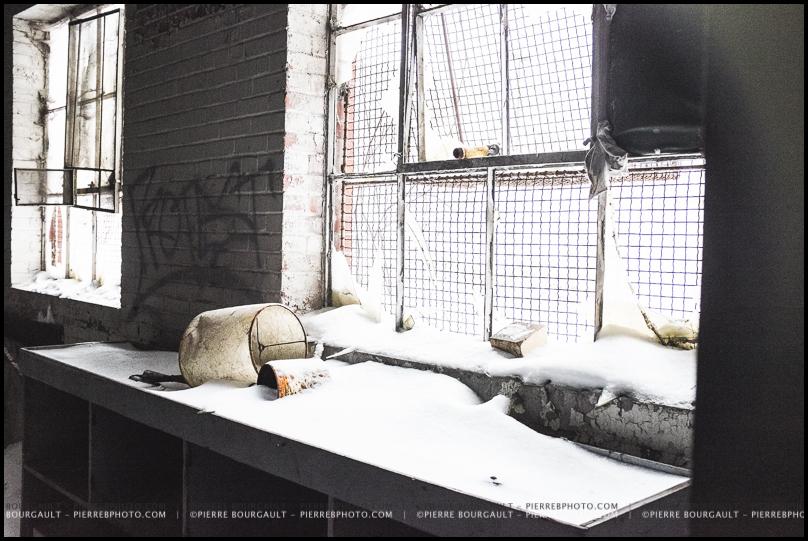
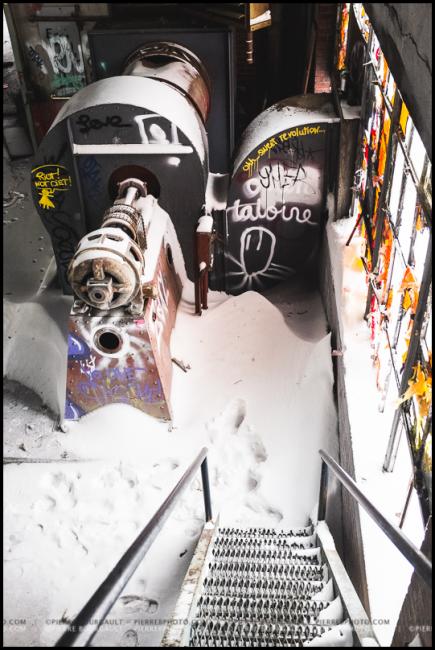
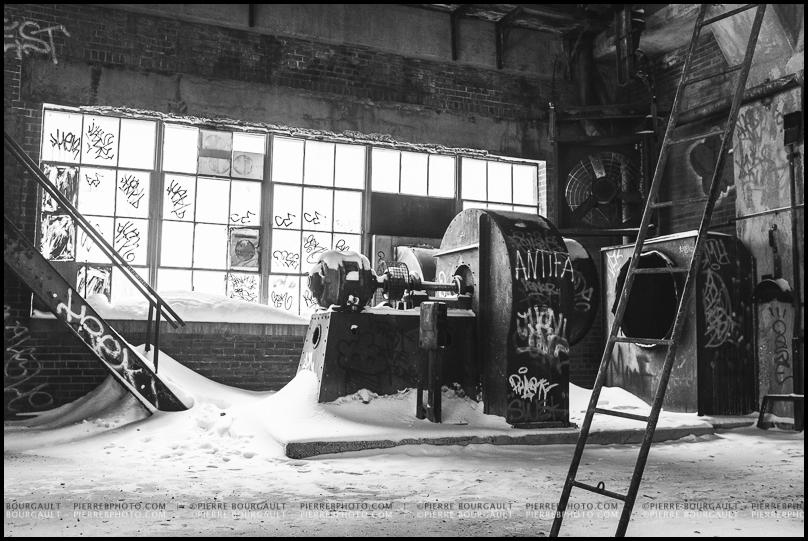
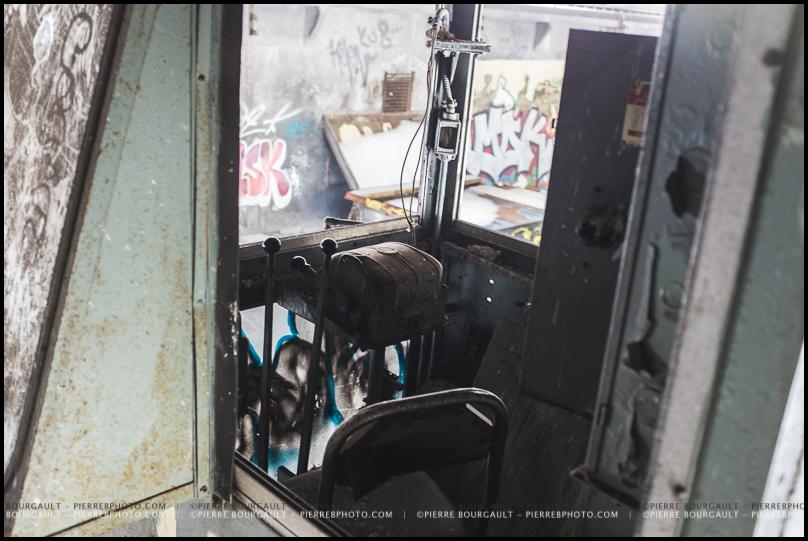
Interested by this place? Here are more pictures of the Dickson incinerator.




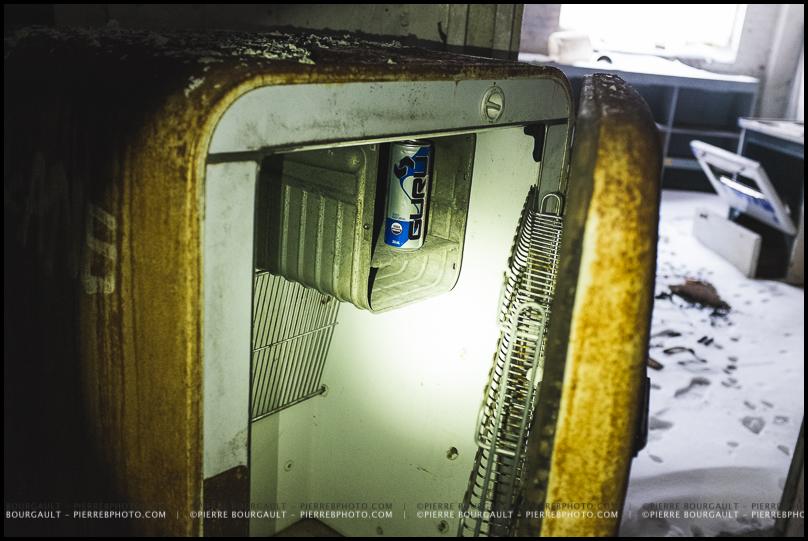
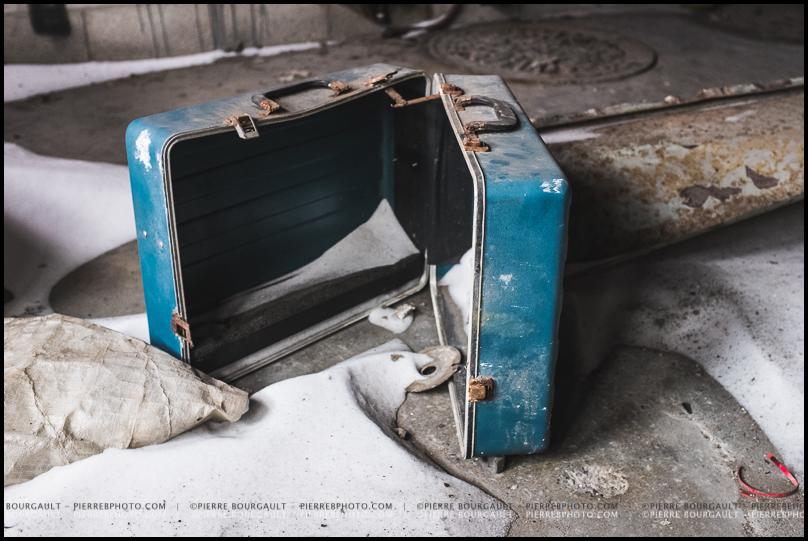
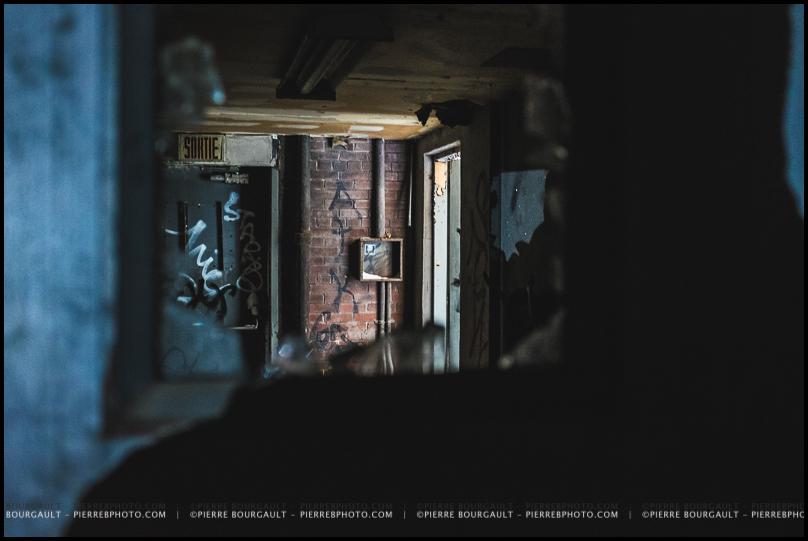
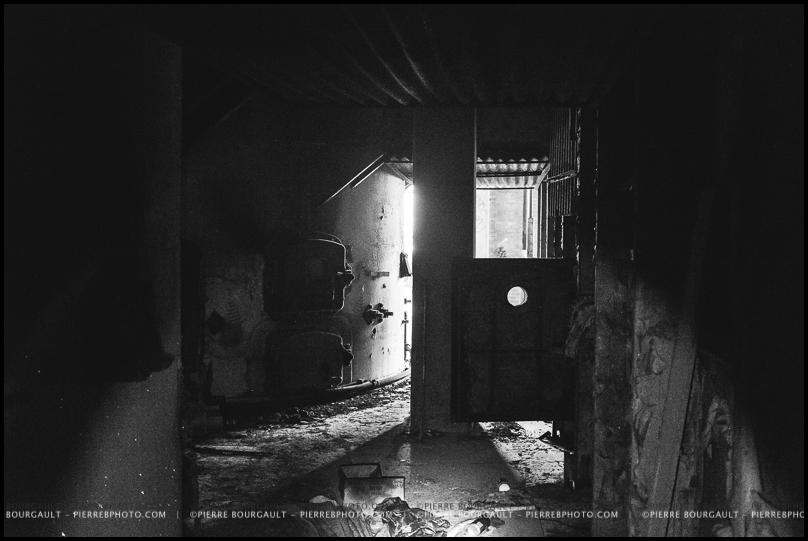


Urbex Playground
needs you !
You have information about this place? Better still, you have pictures of this place that you are willing to share? Well, hurry to click this button before I came to kick your ass!
Related content
São Domingos, (Portugal)
Located in São Domingos (province of Alentejo) south of Lisbon, capital of Portugal, the mine of Achada do Gamo is an abandoned open pit mine. Located in the heart of the Iberian Pyrite Belt, which extends from southern Portugal to Spain, the...
Düsseldorf, (Germany)
Normally on Easter Sunday one spends time his or her family, however on this particular Easter a friend and I decided to wake up early and do some Urban Exploration.
What is great about living in Germany is that there are several abandoned...

Nelsonville, New York (United States)
I was asked to photograph it (legally) by the Trust group thats restoring the island,which was a life long dream of mine.
The history of the island began in 1900 when Francis Bannerman purchased the island. Located in the Hudson River near...


About Urbex playground
First of all, Urbex Playground is about urban and rural photography lovers. It is the respect of the places we have visited and to whom we have a great admiration. Of its contents, Urbex Playground wishes to preserve the memory of these abandoned, destroyed or dilapidated places who have made the glory of our fathers and which today we have, alas, not enough compassion.
We are not vandals or people necessarily involved in the preservation of these places. We do not pretend to believe that our pictures will change anything in the future of these churches, factories, homes and other abandoned buildings. We're just passionate about the image in the perpetual quest for new photographic challenges.
Urbex Playground is not a photo club, any more than we are touristic guides for these forbidden places. Moreover, in any case, Urbex Playground do not invites you to visit these places without the consent of its owners. These places are dangerous and by entering into these places, legal actions can be taken against you.
However, if you have pictures or information about any abandoned places, do not hesitate to contact us. We will be glad to publish them on the site, including your credit with your name and your website. Like this, our visitors will be able to visite your own website. Do not hesitate to contact us if you have any questions.
Urbex playground is social
Follow us on the following social network. Make sure also to visit these amazing websites by some of our members.
© 2018 Urbex Playground is a creation of Jarold & go. All rights reserved.