
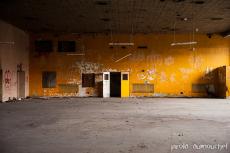
Located in Franklin, southwest of Montreal, the story of the now abandoned Dorea Institute is told by bits and pieces. Not that its story is marked by horrors (…or maybe it is?), but it is rather difficult to find accurate information on the...

Urban and rural photographic exploration
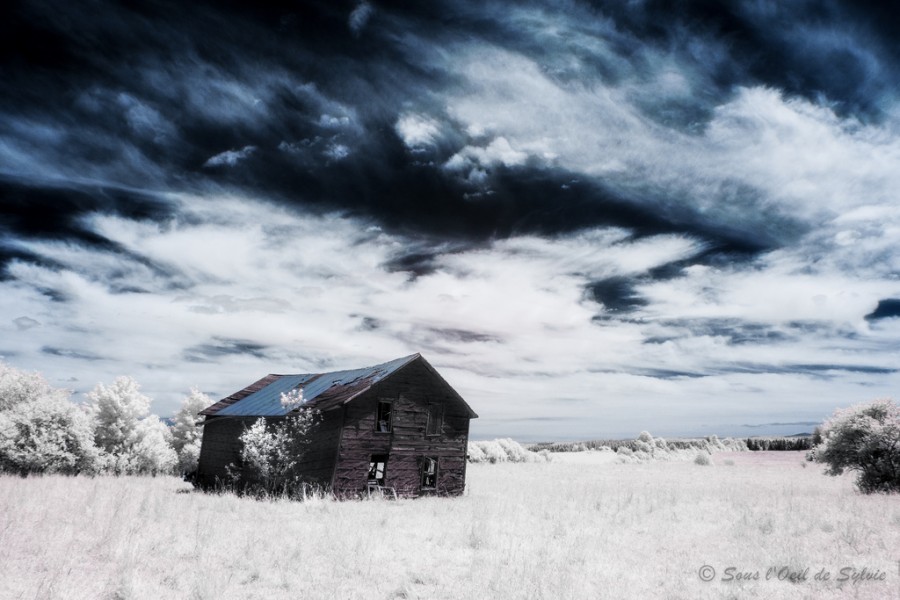
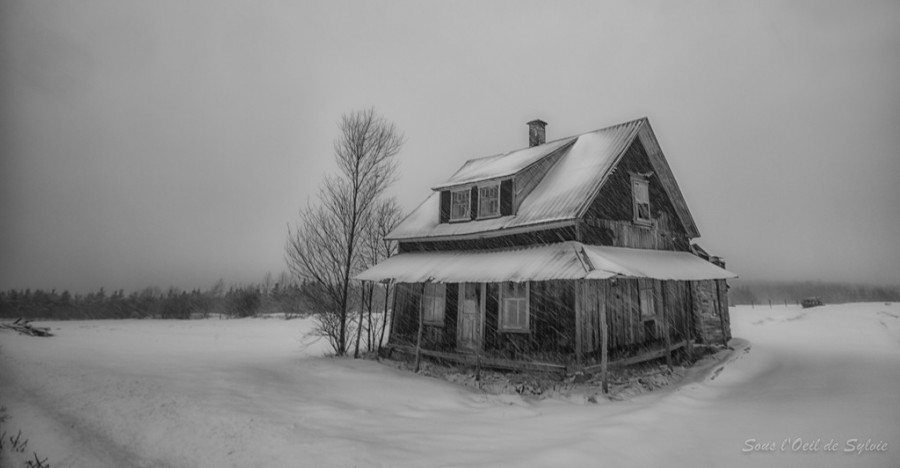
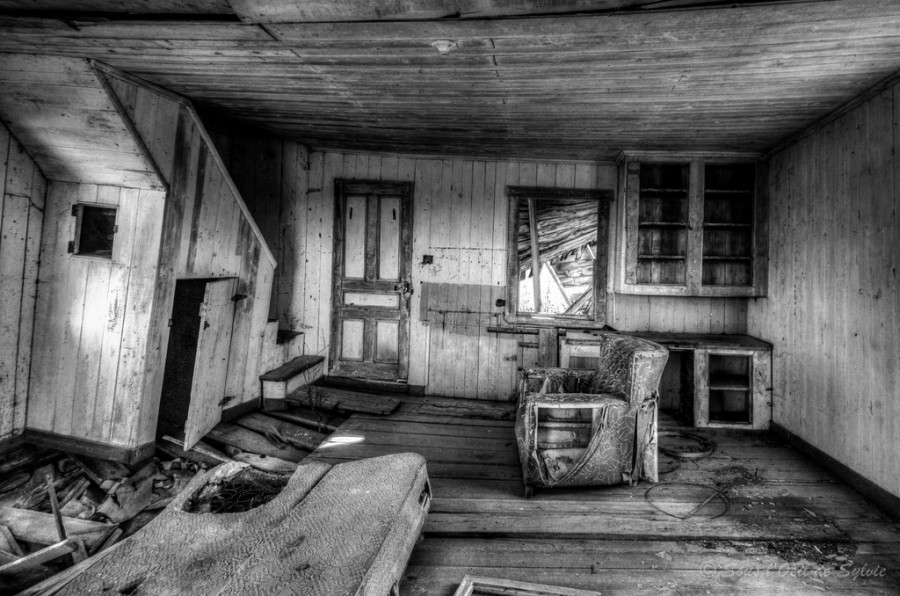
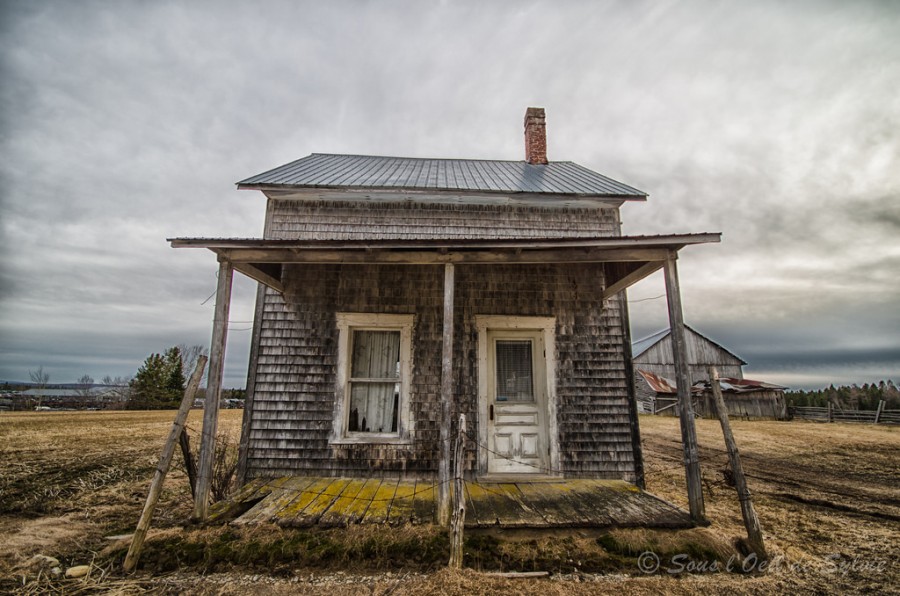
Abandoned houses in the Beauce area
Rural beauties and other landscapes
Beauce (Quebec), Canada
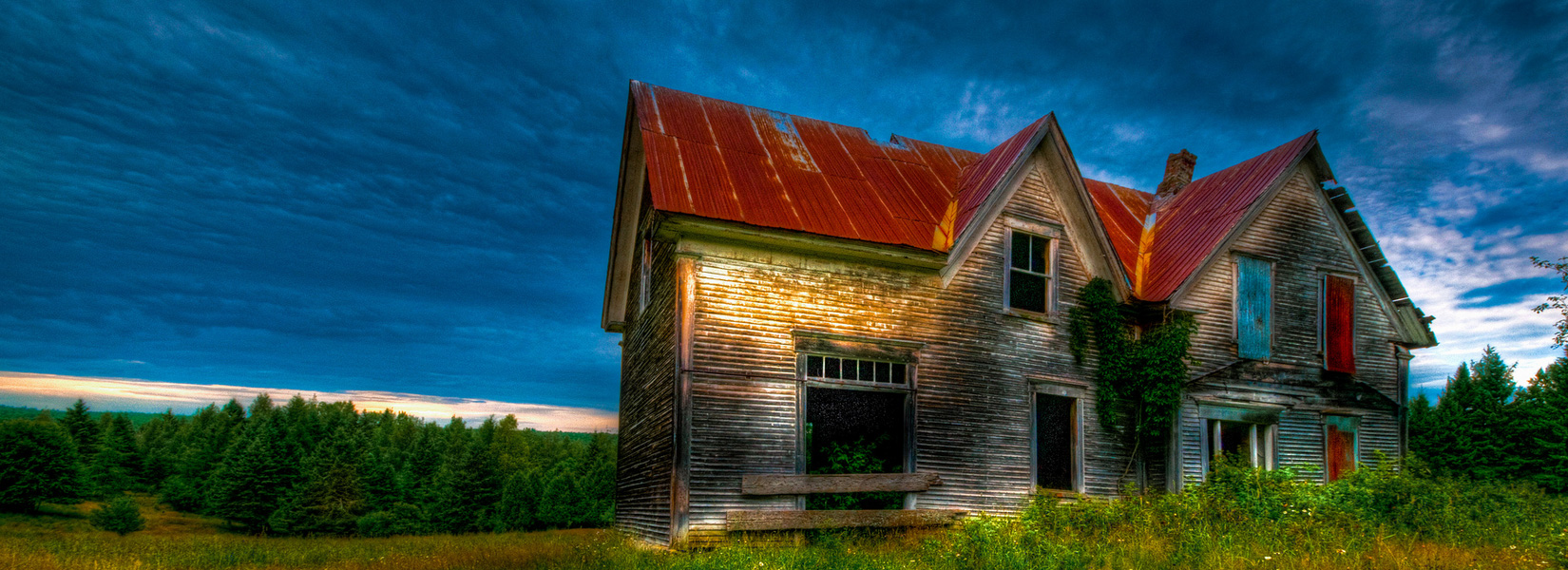
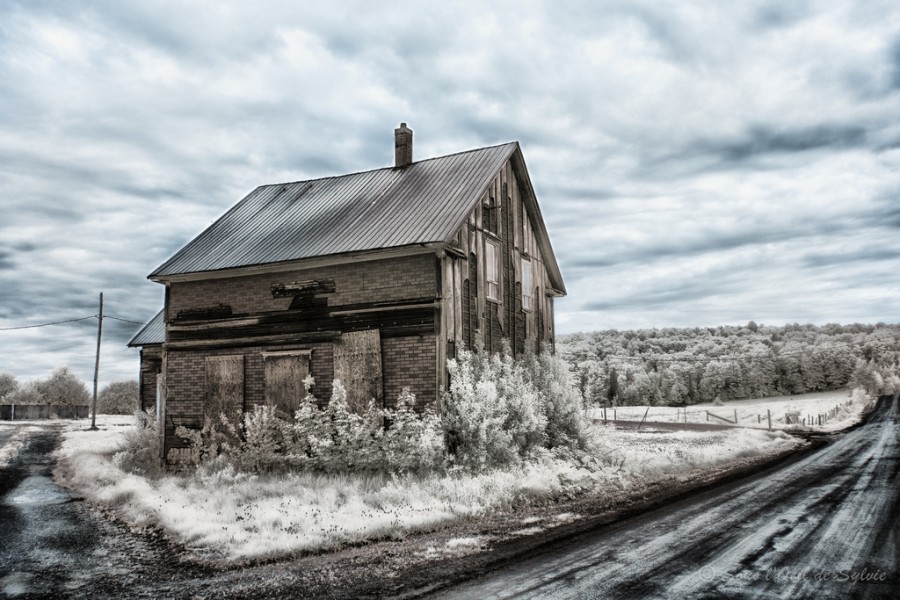
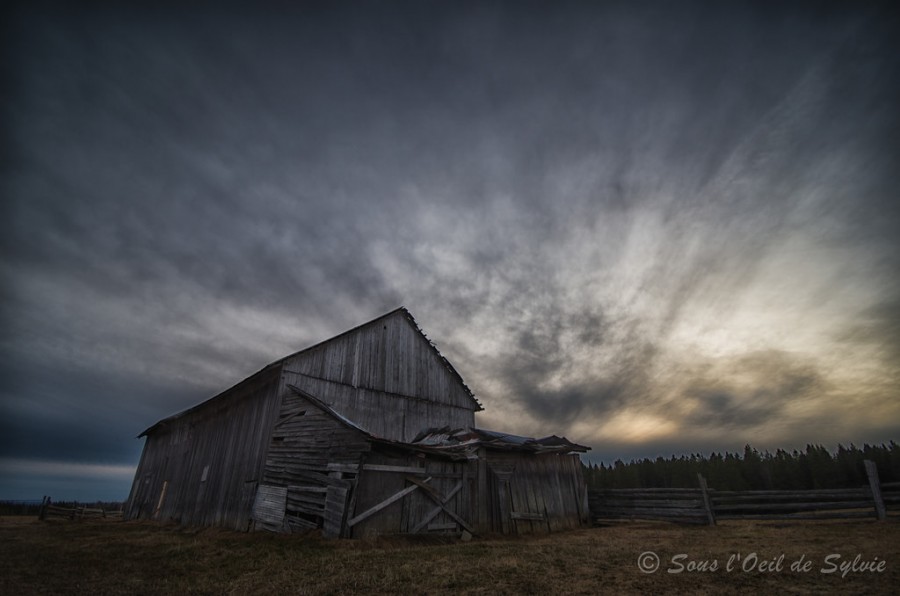
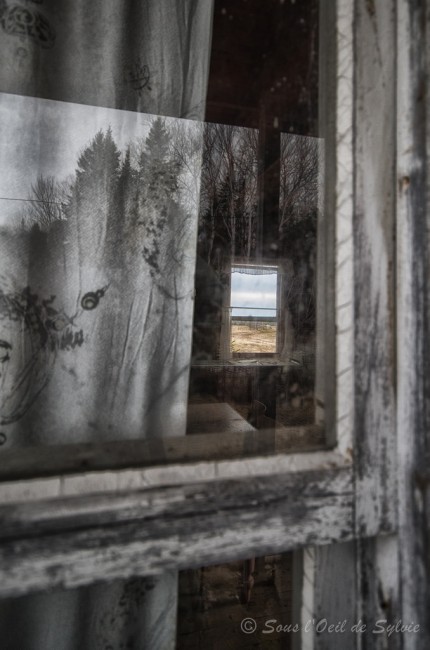
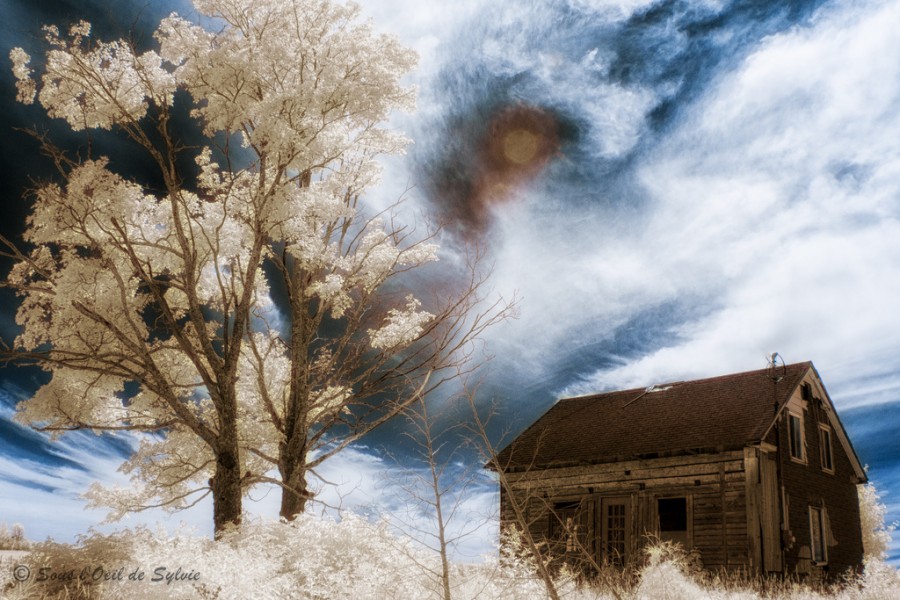
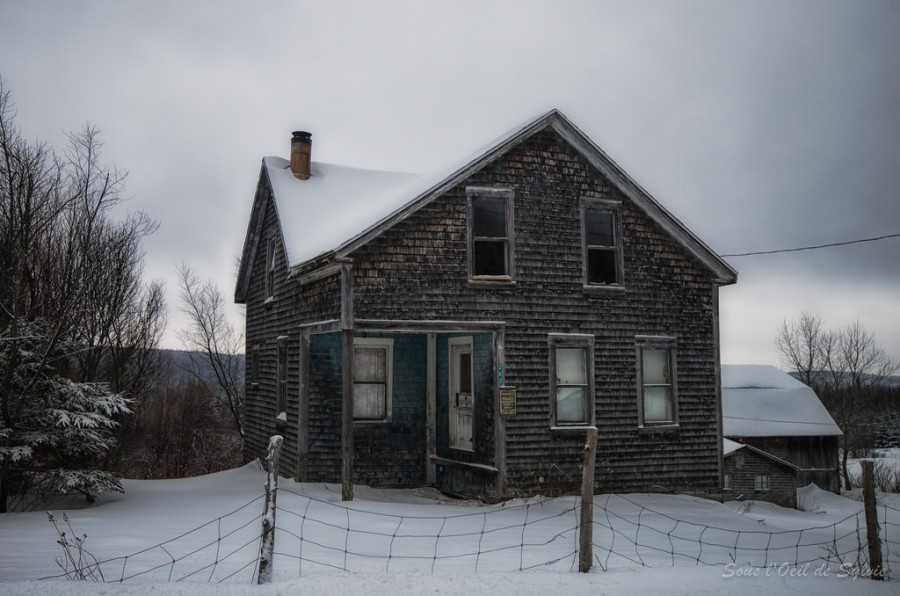
Abandoned for more modern constructions or left behind to adrift once the occupants died, abandoned houses populate the countryside. Hidden under vegetation who tries to conquer its old territory, sometimes the time prevents explorers from entering into these incredible places by collapsing the foundations or by twisting the walls like old rags.
Few of them will be restored after many years left to themselves. Most of the time, years will turn them down or will be by the owners when municipal councils will be tired to see these building agonize (and visited by kids).
Urbex Playground presents here some of these old beauties located in the Beauce area, located near the United State border.

Photo gallery
Interested by this place? Here are more pictures of the abandoned houses in the Beauce area.


Urbex Playground
needs you !
You have information about this place? Better still, you have pictures of this place that you are willing to share? Well, hurry to click this button before I came to kick your ass!
Related content
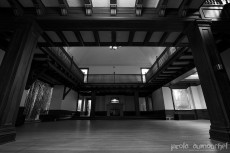
Great Montreal, Quebec (Canada)
This domain’s history is rooted in the nineteenth century, back when industrialists in Canada are mostly English or Scottish men. At that time, French-Canadian people, who form the majority of the population, do not participate in the economic...
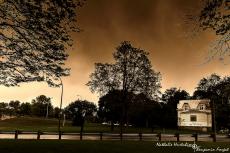
Montréal, Quebec (Canada)
Built in 1875 in the Ahuntsic-Cartierville district located in the north of Montreal, Berri house is Second Empire style and has been part of the development of the sector, which began in the late nineteenth century. The city took possession of...
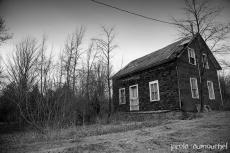
Montérégie, Quebec (Canada)
Located far away, somewhere on a country road, time seems to stand still for this small house. The place is untouched by vandalism, except drawers emptied and some holes in the walls. For the rest, it's a real pleasure to find an abandoned place...


About Urbex playground
First of all, Urbex Playground is about urban and rural photography lovers. It is the respect of the places we have visited and to whom we have a great admiration. Of its contents, Urbex Playground wishes to preserve the memory of these abandoned, destroyed or dilapidated places who have made the glory of our fathers and which today we have, alas, not enough compassion.
We are not vandals or people necessarily involved in the preservation of these places. We do not pretend to believe that our pictures will change anything in the future of these churches, factories, homes and other abandoned buildings. We're just passionate about the image in the perpetual quest for new photographic challenges.
Urbex Playground is not a photo club, any more than we are touristic guides for these forbidden places. Moreover, in any case, Urbex Playground do not invites you to visit these places without the consent of its owners. These places are dangerous and by entering into these places, legal actions can be taken against you.
However, if you have pictures or information about any abandoned places, do not hesitate to contact us. We will be glad to publish them on the site, including your credit with your name and your website. Like this, our visitors will be able to visite your own website. Do not hesitate to contact us if you have any questions.
Urbex playground is social
Follow us on the following social network. Make sure also to visit these amazing websites by some of our members.
© 2018 Urbex Playground is a creation of Jarold & go. All rights reserved.