Known for its carnival and market of great beauty, Loulé is a city of 70,000 inhabitants located in the south of Portugal, in the Algarve region.
It is built between 1878 and 1897 the small castle of Pipa palace which will never be...

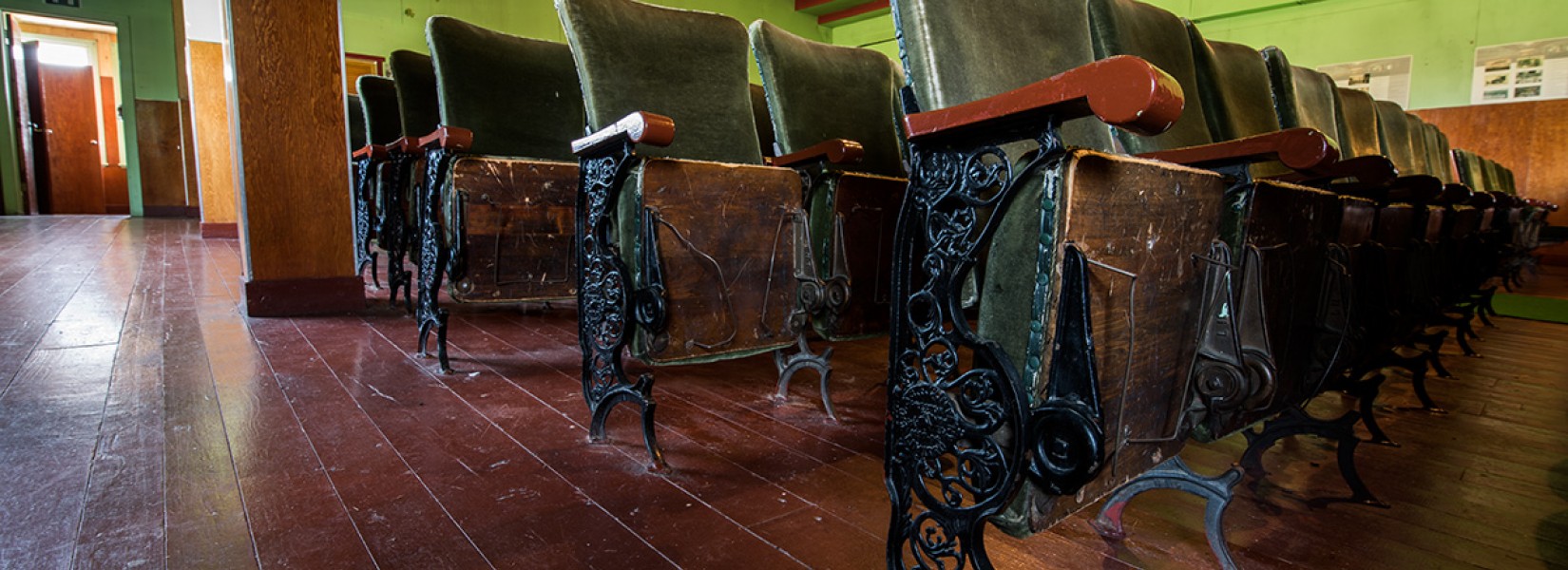
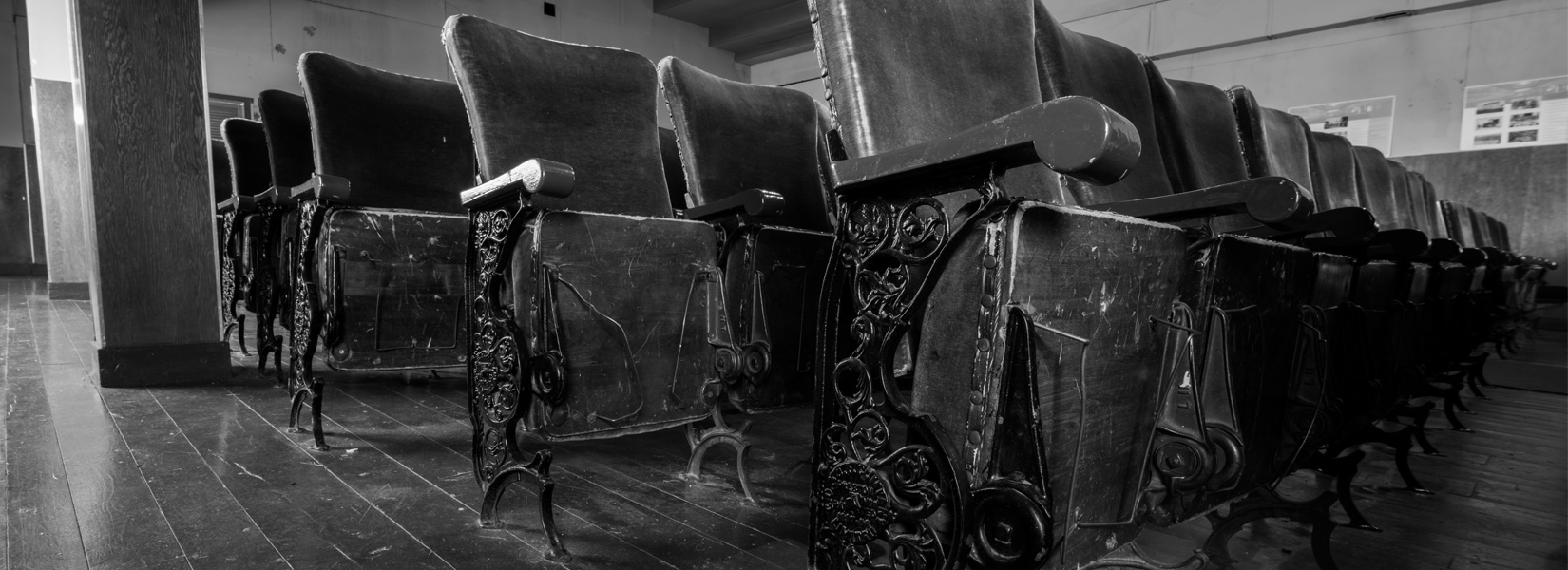
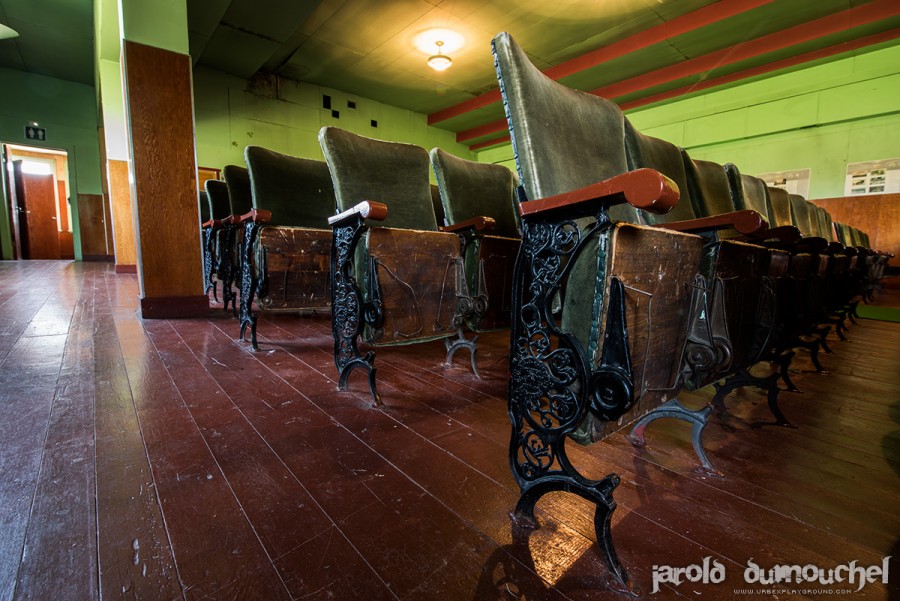
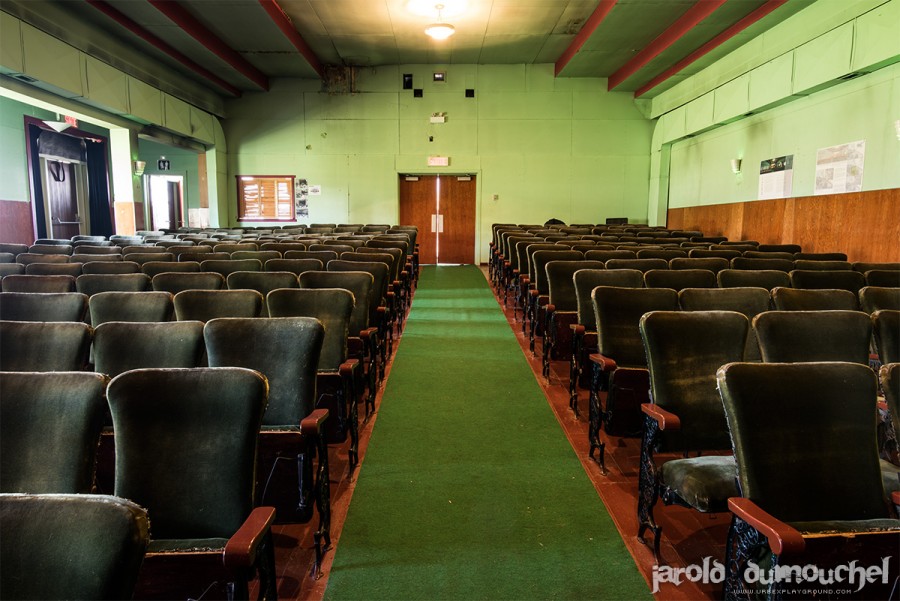
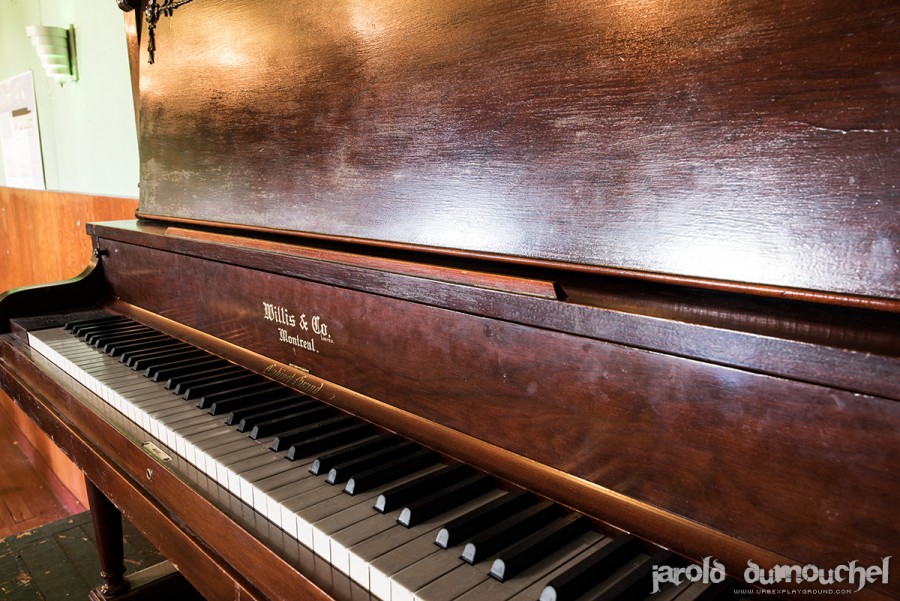
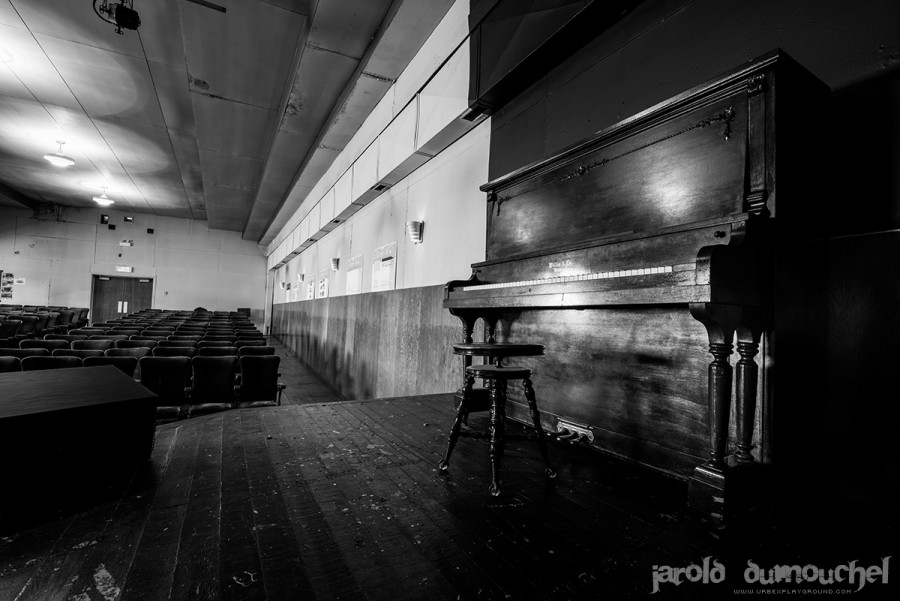
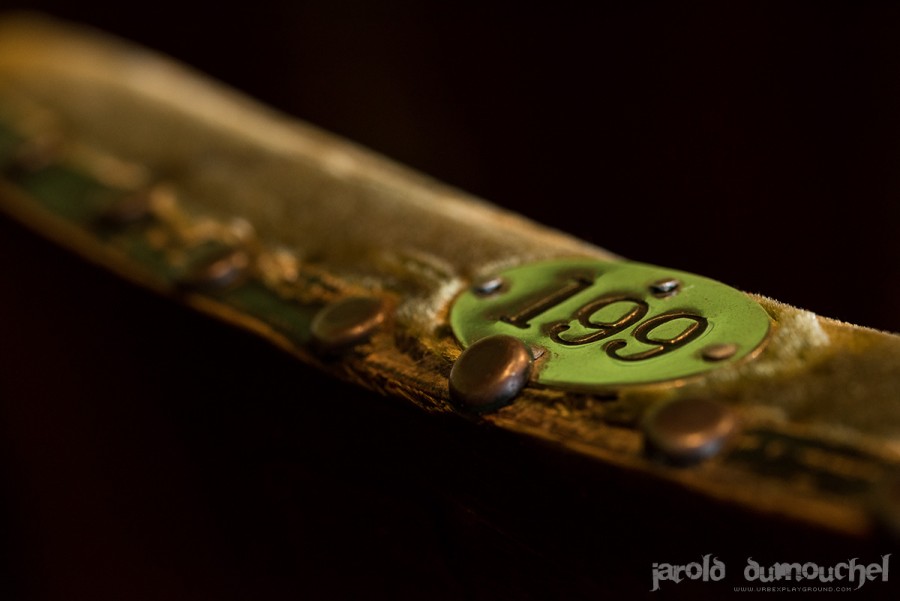
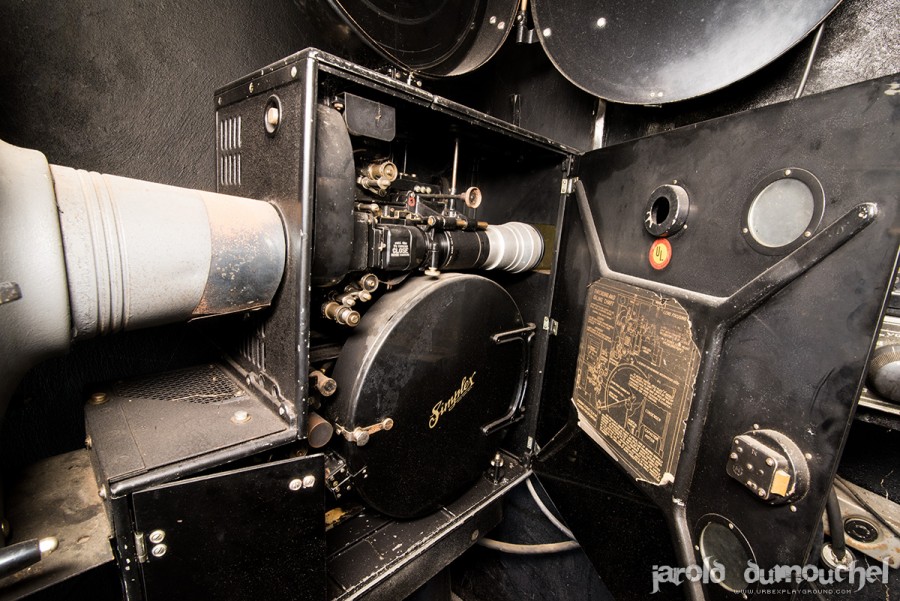
In 1937, we are in the golden age of cinema and in these Gaspé lands, the pastor of this small coastal village is looking for a way to finance the modern church to which he dreams. Convincing parishioners to provide wood and time to build a small theater with 250 seats, it will open in 1938. It will be found in Nova Scotia (atlantic province of Canada) iron chairs to furnish the room.
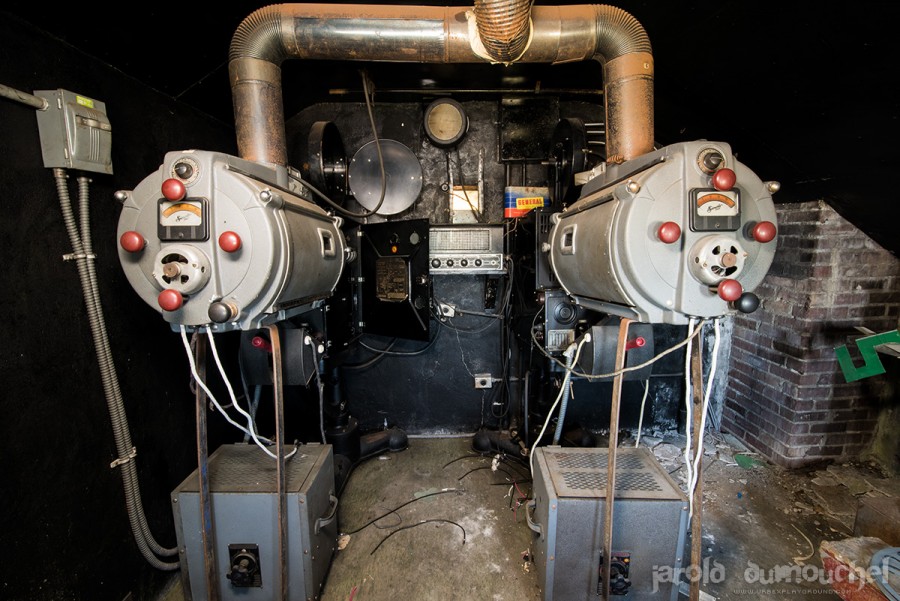
This sober building recalls the structure of the hangars of the region. Renovated during the 50s, the room is then used extensively for film, Irish festivals, political rallies and as a local theater.
However, like many other theaters around the world, its decline will begin with the arrival of television. Rural depopulation and the aging of the population will come to end of the room which is no longer used except for very rare occasions. Nevertheless, a volunteer dedicated to its preservation manages to keep the site alive despite the lack of interest of the community.

Interested by this place? Here are more pictures of the old parochial cinema.
You have information about this place? Better still, you have pictures of this place that you are willing to share? Well, hurry to click this button before I came to kick your ass!
Known for its carnival and market of great beauty, Loulé is a city of 70,000 inhabitants located in the south of Portugal, in the Algarve region.
It is built between 1878 and 1897 the small castle of Pipa palace which will never be...
Built in the woods near the hamlet of Mill Village, the Teleglobe station is no longer the shadow of what it once was. Built in 1964 at a cost of $ 9 million, the vast complex was part of an extensive satellite program for the transmission of...
The place is surprising. This old rooming house next to an old railway was, in another era, the nerve center of this small village in Eastern Townships. Abandoned for over fifty years according to some, it remained intact and time has slowly...
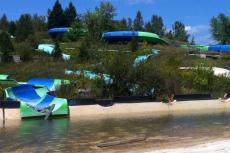
Once upon a time, a small piece of land bordering Autoroute 15 in Piedmont came to life every summer as a place of amusement. The Cascades d'Eau Piedmont, home of the Laurentian's iconic giant faucet, was Quebec's oldest water park when it ceased...


First of all, Urbex Playground is about urban and rural photography lovers. It is the respect of the places we have visited and to whom we have a great admiration. Of its contents, Urbex Playground wishes to preserve the memory of these abandoned, destroyed or dilapidated places who have made the glory of our fathers and which today we have, alas, not enough compassion.
We are not vandals or people necessarily involved in the preservation of these places. We do not pretend to believe that our pictures will change anything in the future of these churches, factories, homes and other abandoned buildings. We're just passionate about the image in the perpetual quest for new photographic challenges.
Urbex Playground is not a photo club, any more than we are touristic guides for these forbidden places. Moreover, in any case, Urbex Playground do not invites you to visit these places without the consent of its owners. These places are dangerous and by entering into these places, legal actions can be taken against you.
However, if you have pictures or information about any abandoned places, do not hesitate to contact us. We will be glad to publish them on the site, including your credit with your name and your website. Like this, our visitors will be able to visite your own website. Do not hesitate to contact us if you have any questions.
Follow us on the following social network. Make sure also to visit these amazing websites by some of our members.
© 2018 Urbex Playground is a creation of Jarold & go. All rights reserved.