


Located at the north of Baltimore, this Beaux-Arts influenced Gregorian Revival style by N.Y. architects Boring and Tilton buildings was one of the oldest school of Maryland before its closure in the 90s. The 330 acre campus is constituted of...

Urban and rural photographic exploration
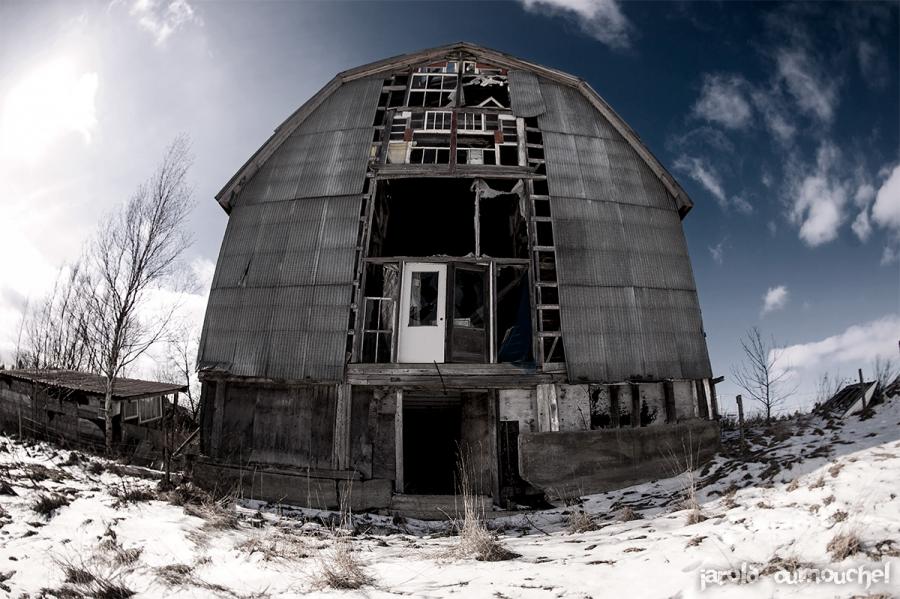
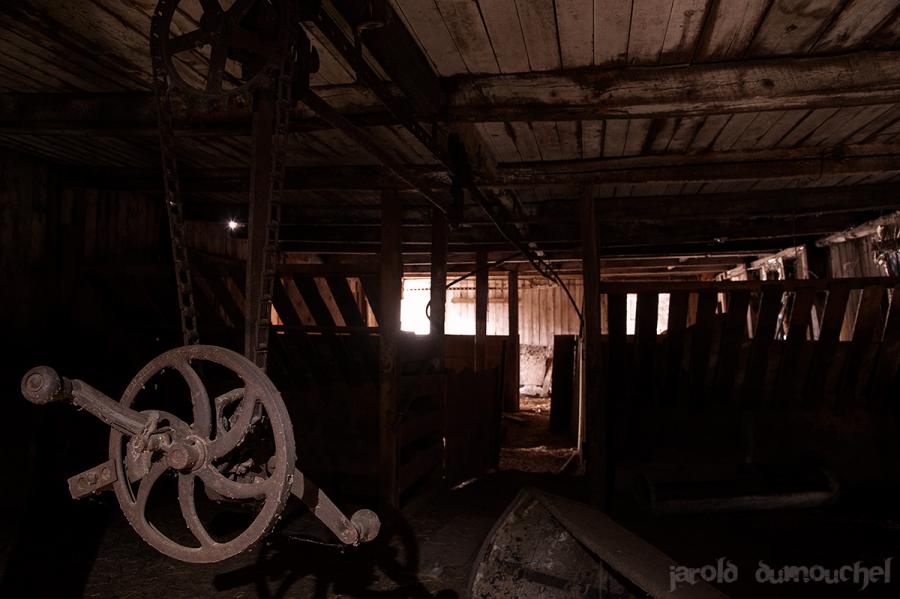
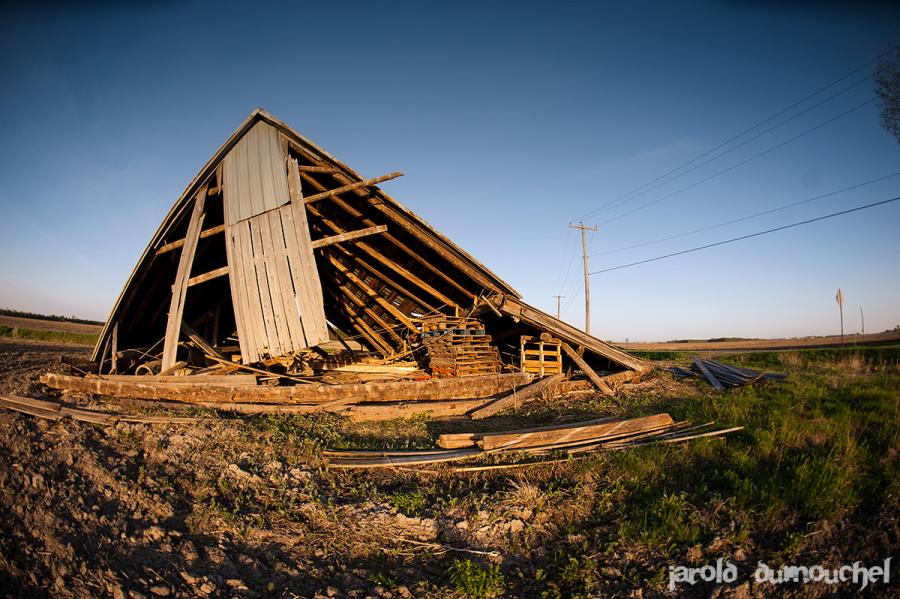
Rural beauties and other farm buildings
Old countryside landscapes
Montérégie (Quebec), Canada
Regions are getting empty. Everybody knows, everybody says so. Farms are becoming larger and they become (over) specialized. At the last century they were self-sufficient and beyond culture, they had cows, pigs, chickens and more. Today, this is no longer the case. For example, there are fewer and fewer dairy farmers and those who still have cows, now have more animals who remain in the cowshed to maximize the production.
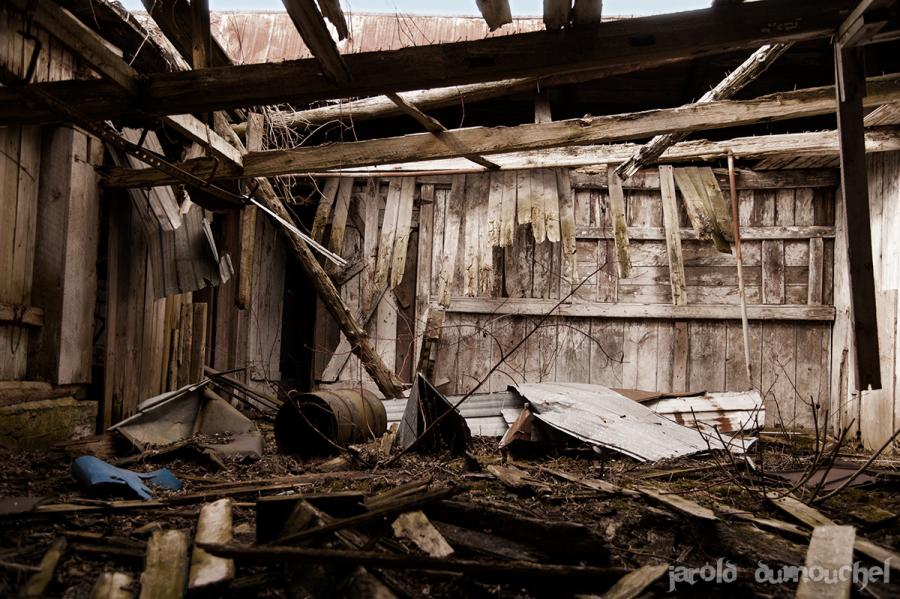
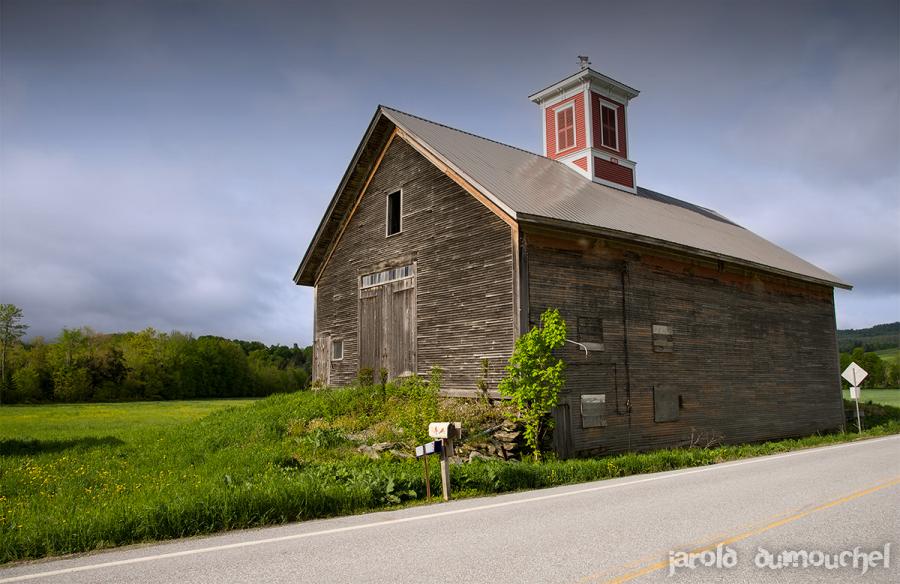
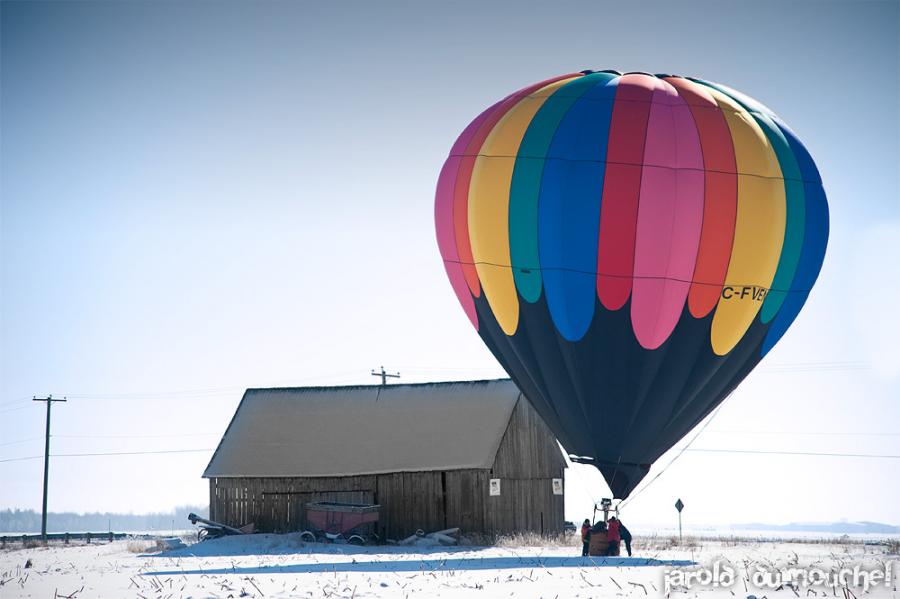
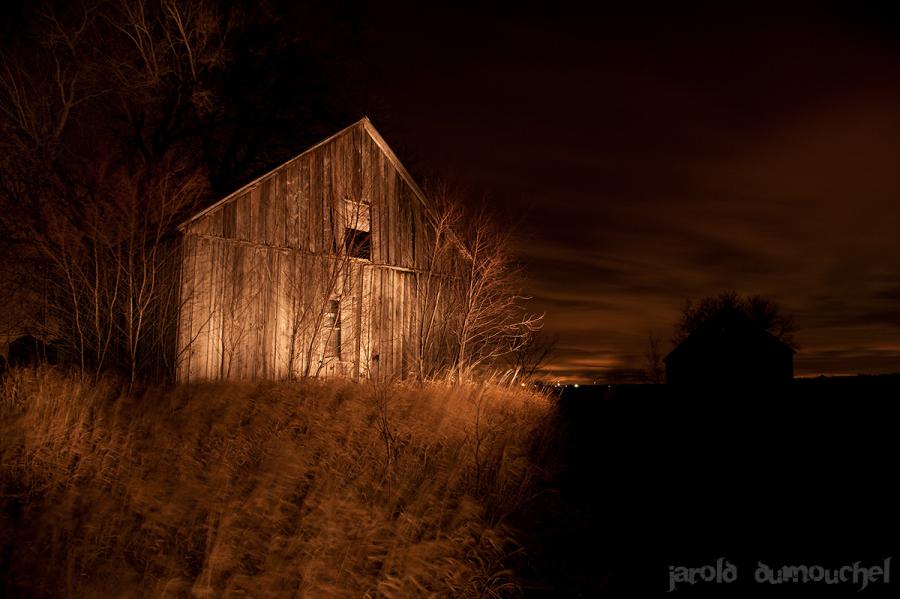
Thus, old barns accumulate. And although they are used for the storage of farm machinery, they are often abandoned. Condemned to an endless agony, many of them crumble under the weight of time.

Photo gallery
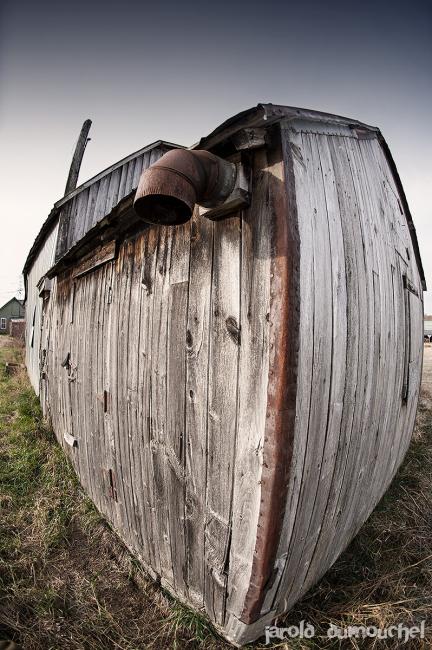
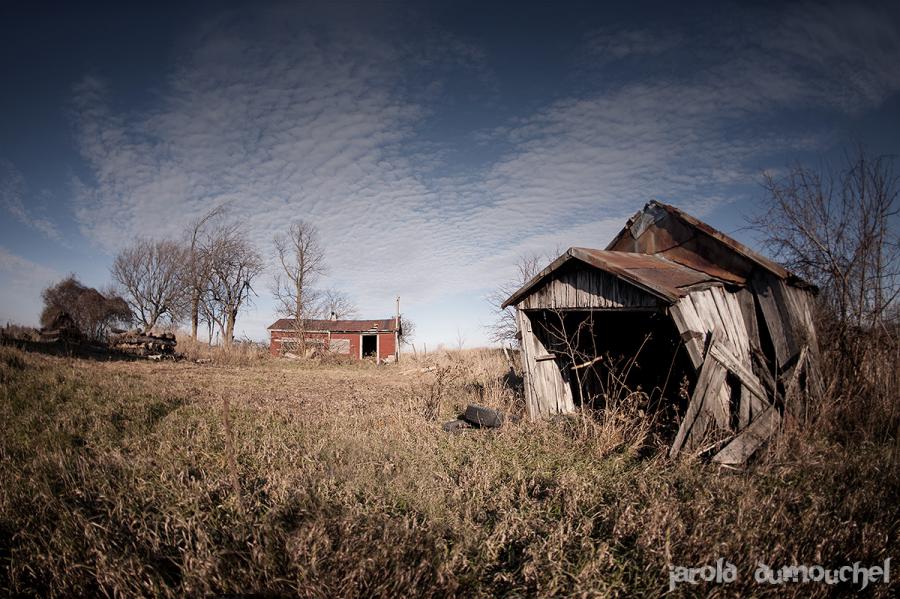
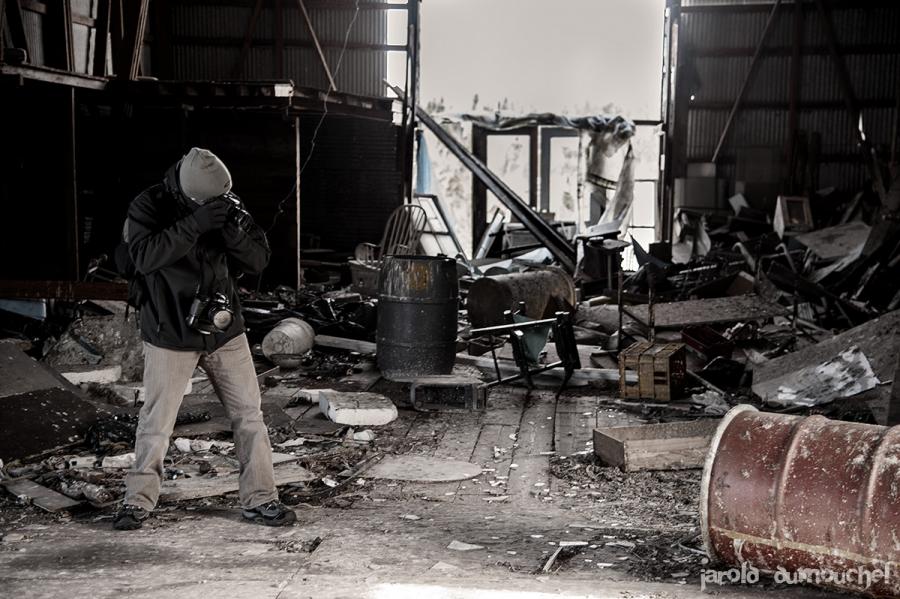
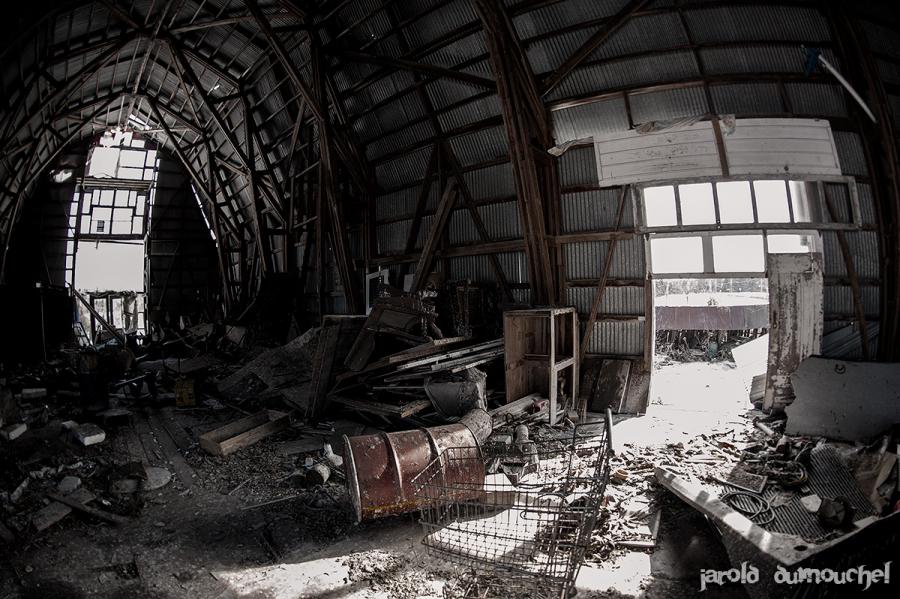
Interested by this place? Here are more pictures of the other farm buildings.





Urbex Playground
needs you !
You have information about this place? Better still, you have pictures of this place that you are willing to share? Well, hurry to click this button before I came to kick your ass!
Related content
North of Montreal, Quebec (Canada)
First, let me confirm that the hotel is not infested by any bug. To prevent vandalism, I will not mention its real name and its location, preferring instead to give it this nickname in tribute to the many batteries from all the smoke detectors...
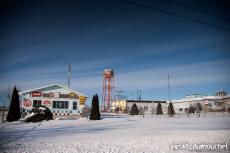
Saint-Jean-sur-Richelieu, Quebec (Canada)
The place is big, very big. While the building is nearly 200,000 square feet, the site, meanwhile, is over than 430,000 square feet in an agricultural area of Saint-Jean-sur-Richelieu. For those interested, the site is for sale and the current...
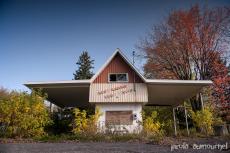
Sainte-Brigide d'Iberville, Quebec (Canada)
Located near Highway 10, camping Martel, also known as the Gite du passant, is abandoned for a long time. Moreover, I had to discuss with the old villagers to know the name of that place. I tried to learn more by sending an email to the city, but...


About Urbex playground
First of all, Urbex Playground is about urban and rural photography lovers. It is the respect of the places we have visited and to whom we have a great admiration. Of its contents, Urbex Playground wishes to preserve the memory of these abandoned, destroyed or dilapidated places who have made the glory of our fathers and which today we have, alas, not enough compassion.
We are not vandals or people necessarily involved in the preservation of these places. We do not pretend to believe that our pictures will change anything in the future of these churches, factories, homes and other abandoned buildings. We're just passionate about the image in the perpetual quest for new photographic challenges.
Urbex Playground is not a photo club, any more than we are touristic guides for these forbidden places. Moreover, in any case, Urbex Playground do not invites you to visit these places without the consent of its owners. These places are dangerous and by entering into these places, legal actions can be taken against you.
However, if you have pictures or information about any abandoned places, do not hesitate to contact us. We will be glad to publish them on the site, including your credit with your name and your website. Like this, our visitors will be able to visite your own website. Do not hesitate to contact us if you have any questions.
Urbex playground is social
Follow us on the following social network. Make sure also to visit these amazing websites by some of our members.
© 2018 Urbex Playground is a creation of Jarold & go. All rights reserved.