Located a few kilometers from the municipality of Calzadilla de los Barros and its 850 inhabitants, the abandoned aerodrome dates from before the Spanish Civil War which took place from 1936 to 1939 with the victory of General Franco.
It...

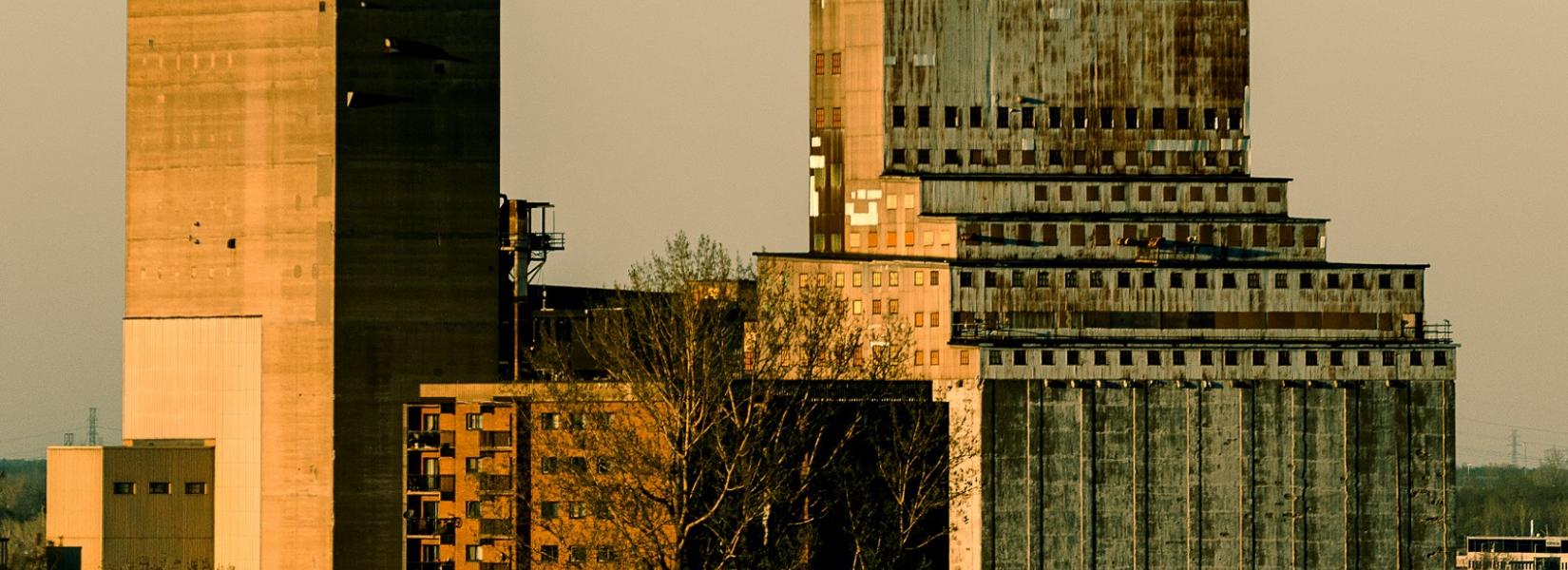
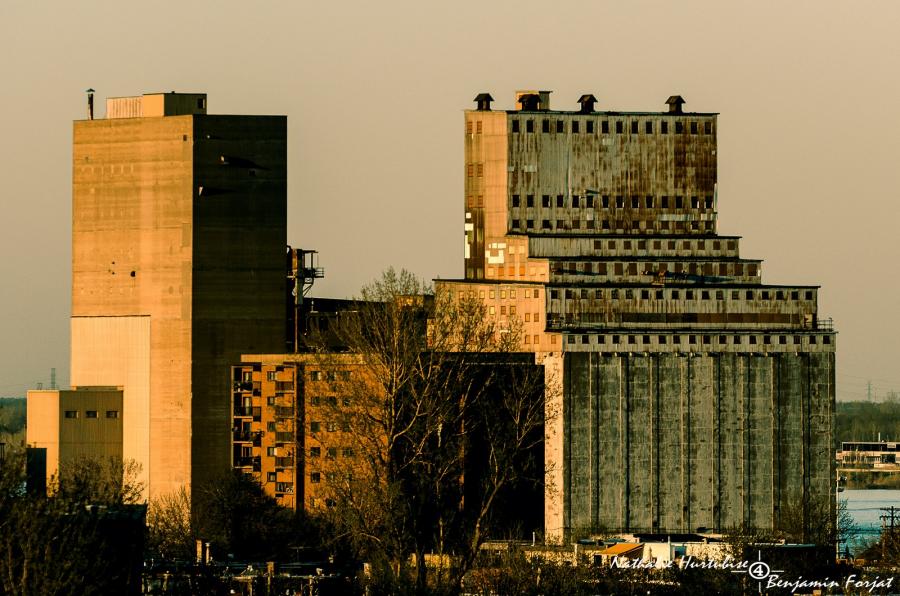
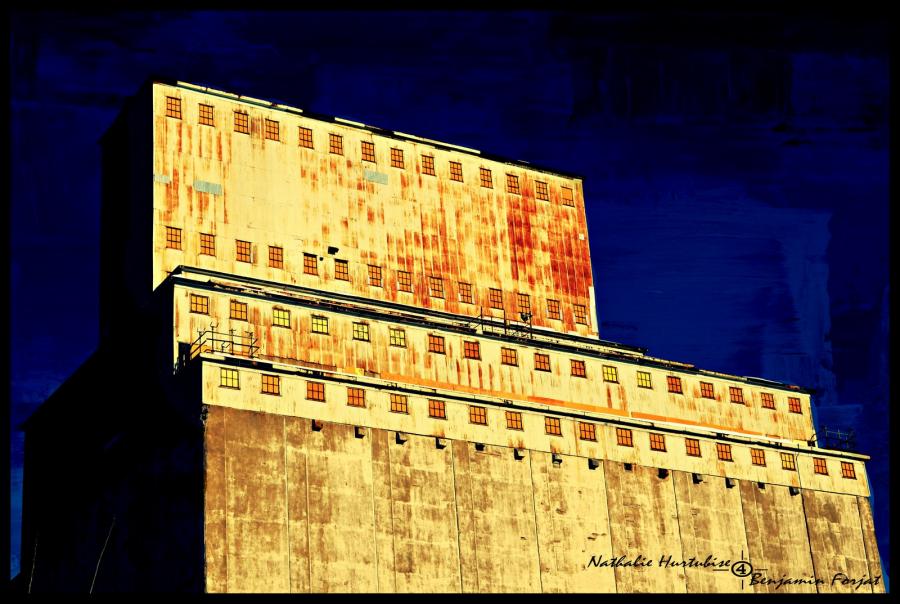
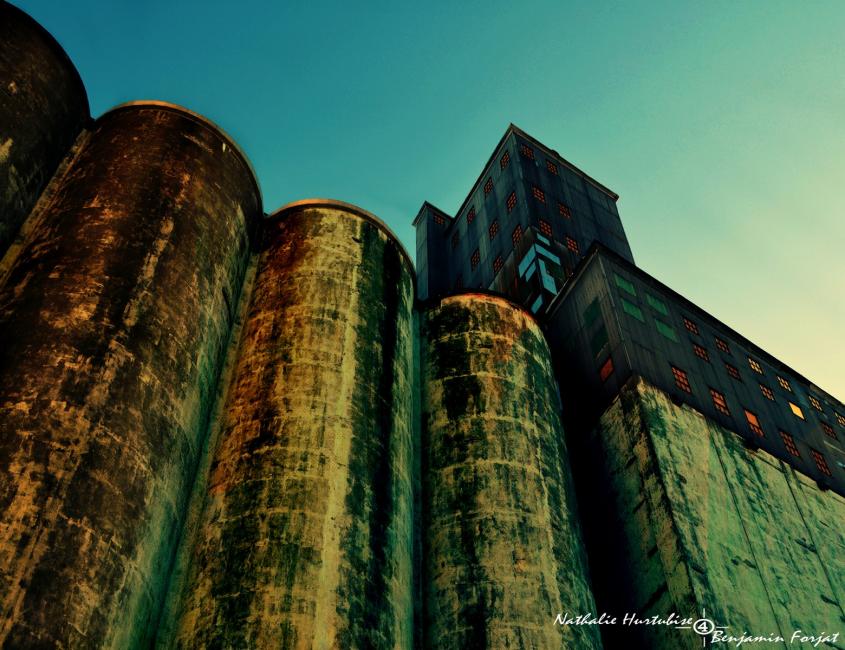
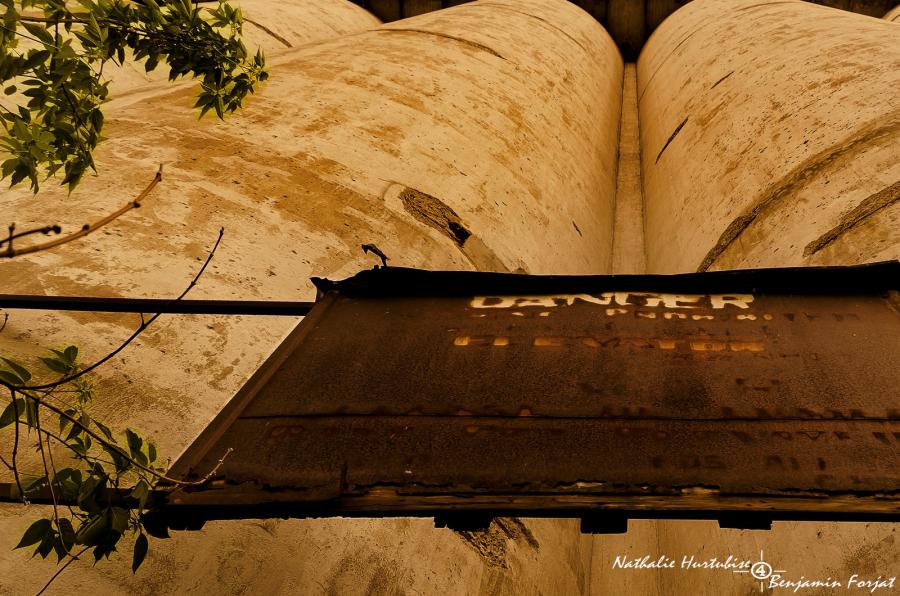
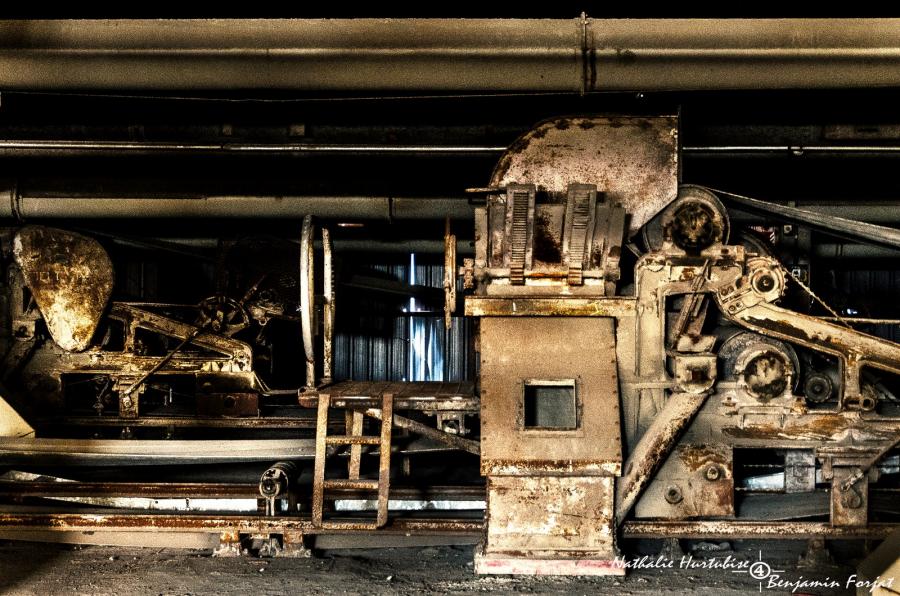
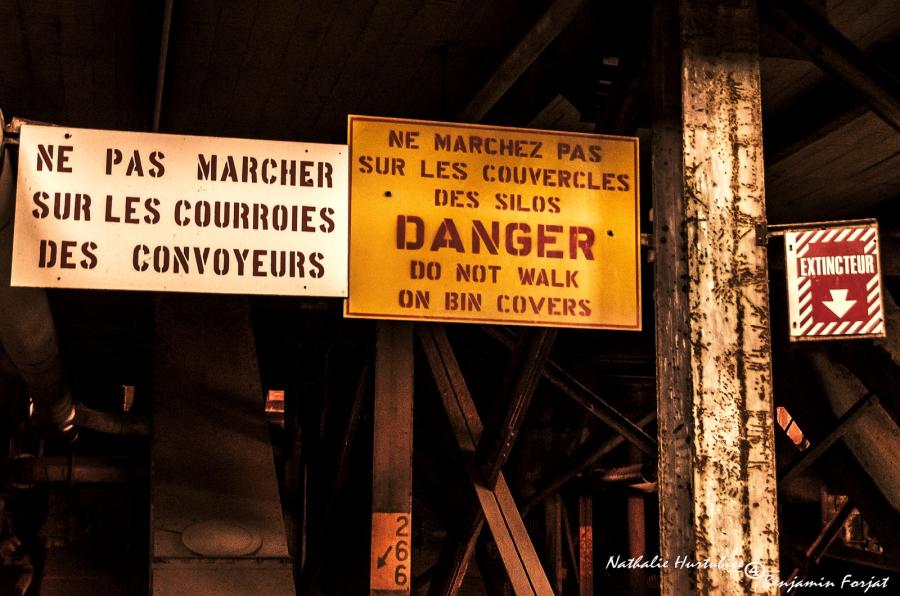
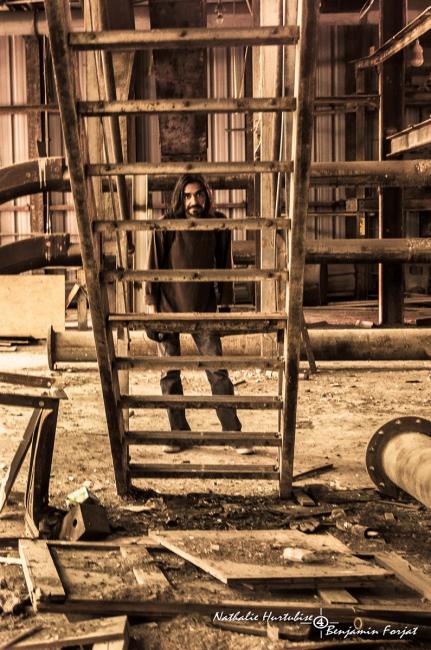
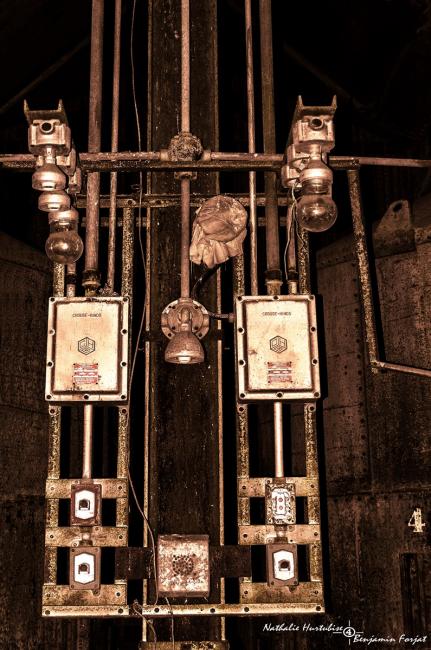
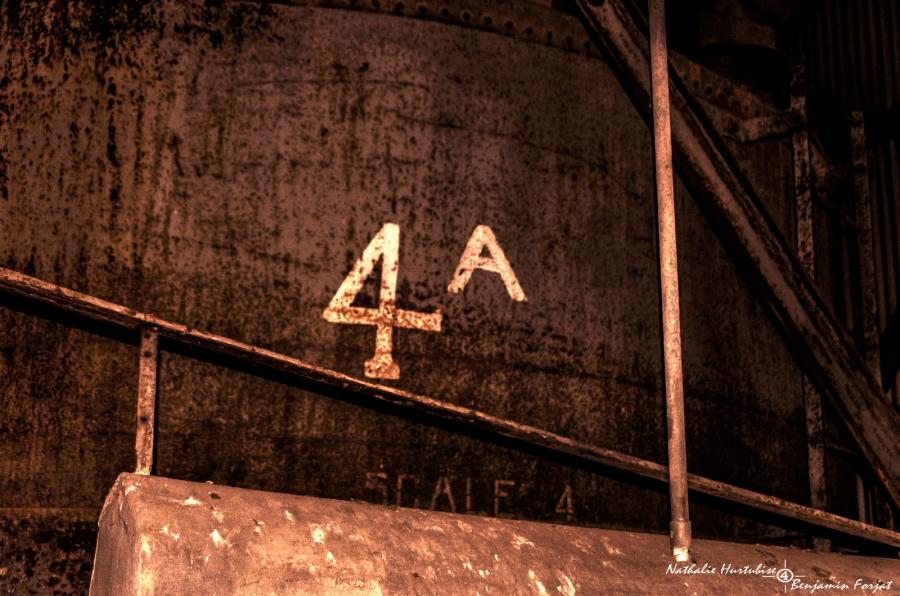
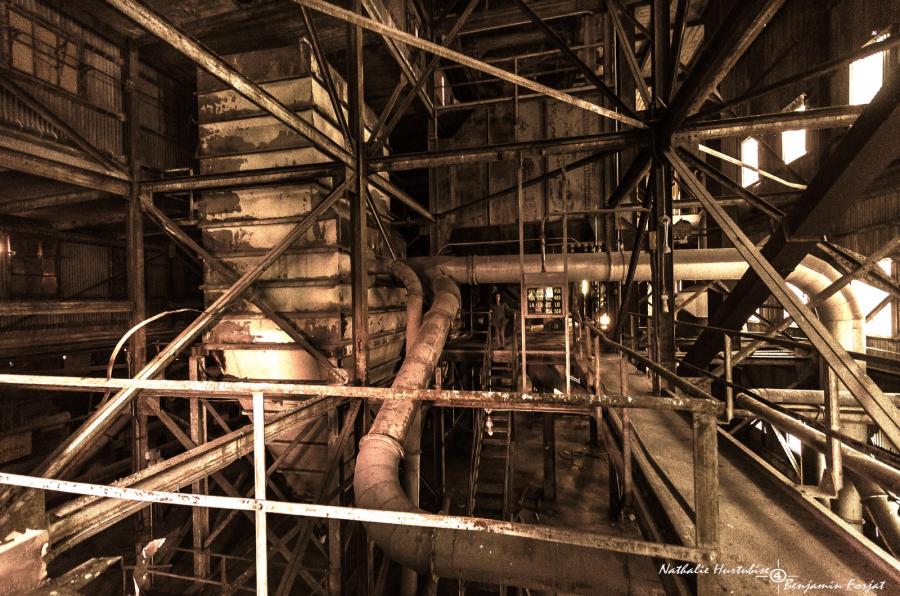
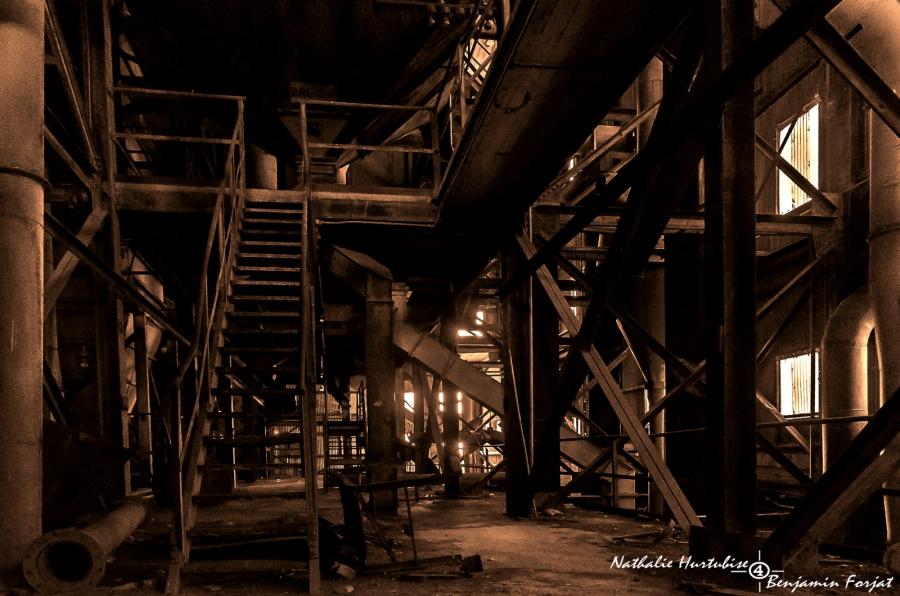
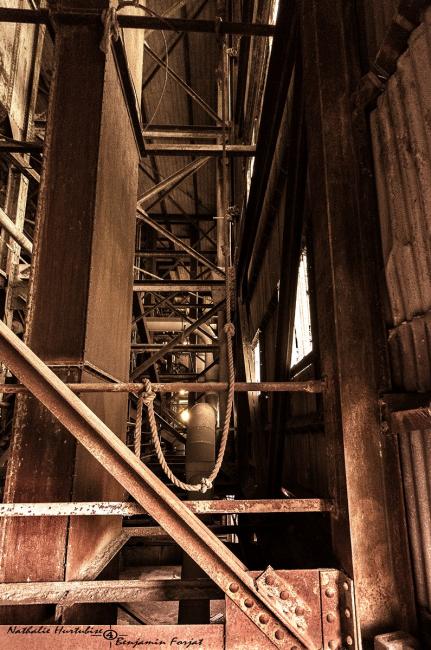
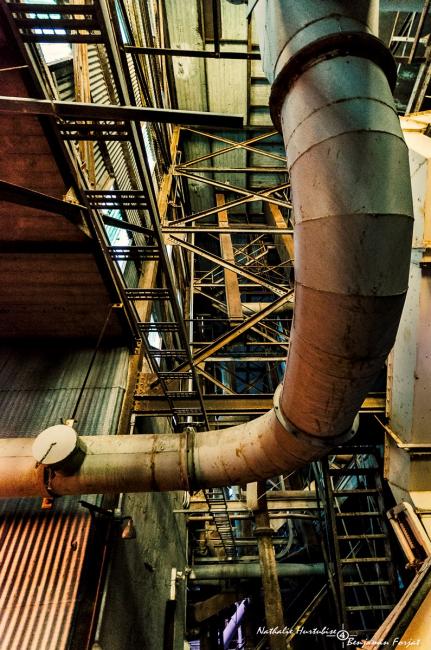
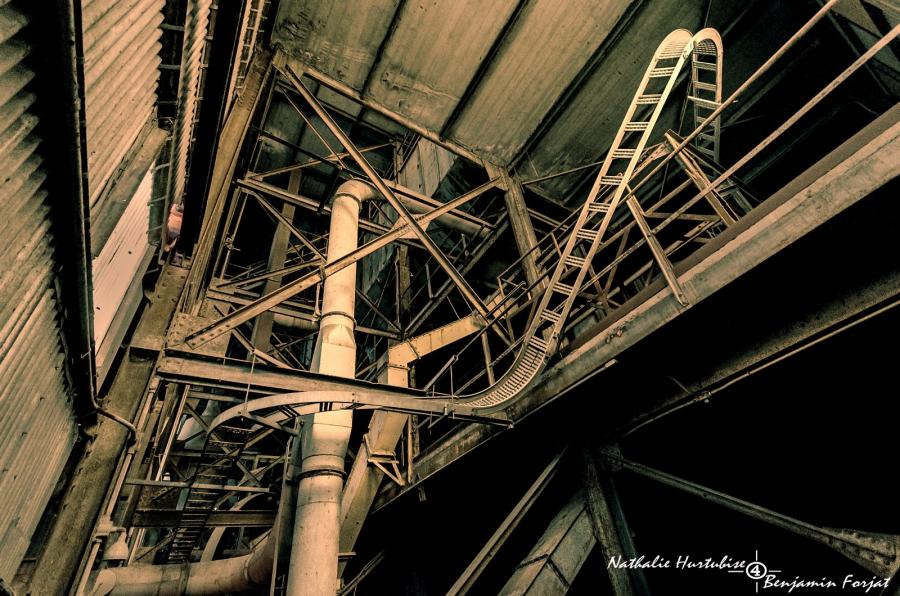
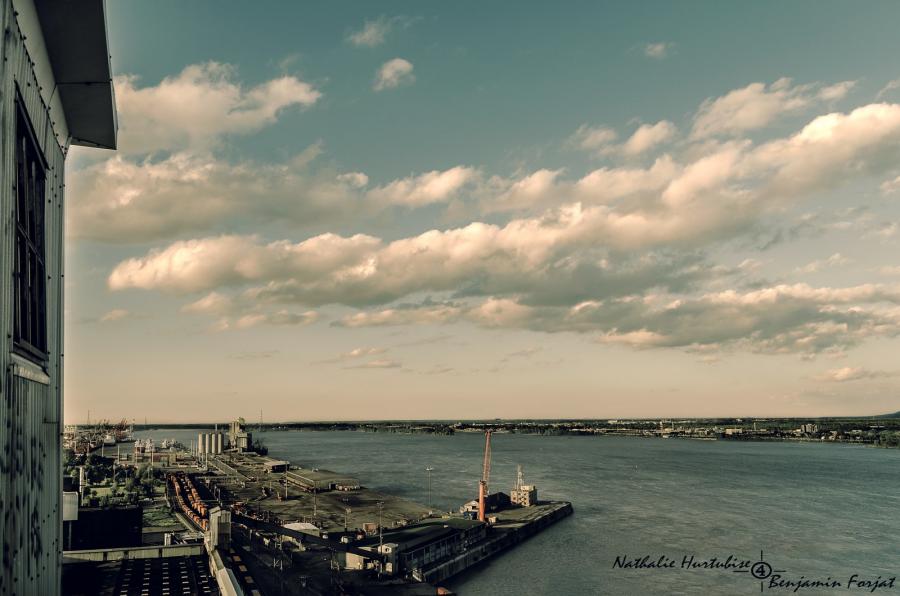
Located in the Hochelaga-Maisonneuve neighborhood, the silo # 3 was built in 1923. The architect was John S. Metcalfe who were responsible for the construction of most silos in the Port of Montreal (1, 2, 3, 5). It is thanks to its innovations that the Port of Montreal was the largest grain port in North America in 1914.
As I wrote, it was built in 1923 by Canadian Vickers at the east of the others silos. By this choice, the Port of Montreal wanted to avoid traffic congestion around the other silos already built. With annexes built in 1928, it was more than 150 000 metric tons of grain that could be stored into the complex of four sets of silos.
With the rationalization of the port of Montreal in 1978, the silo number 3 ceased its grain shipments by vessel and will specialize in trucks loading to serve the domestic market. Nine years later, it will cease all its operations.
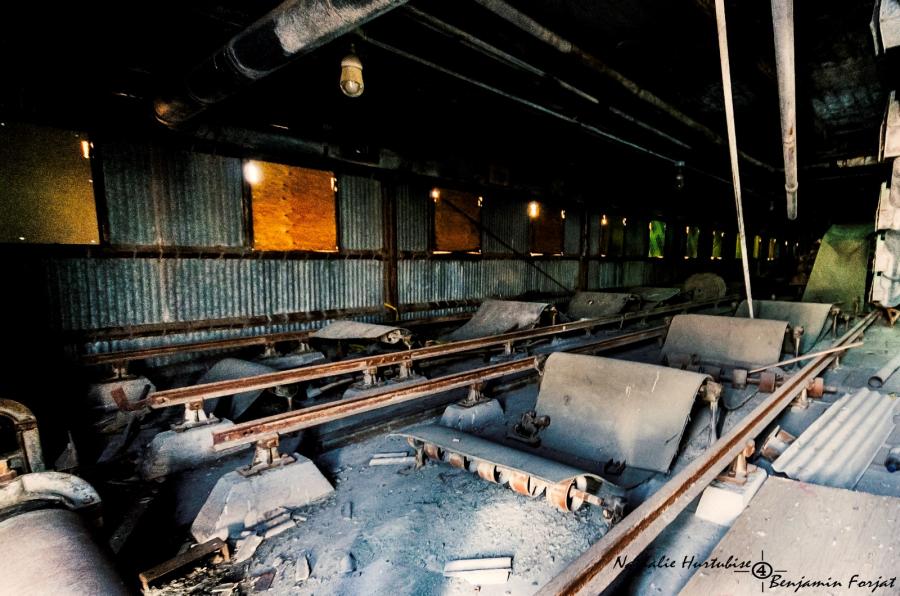
From 1987 to 1993, the structure was used successively by Miron companies, Lake Ontario Cement and Ciment Québec, for the handling, processing and storage of cement powder.
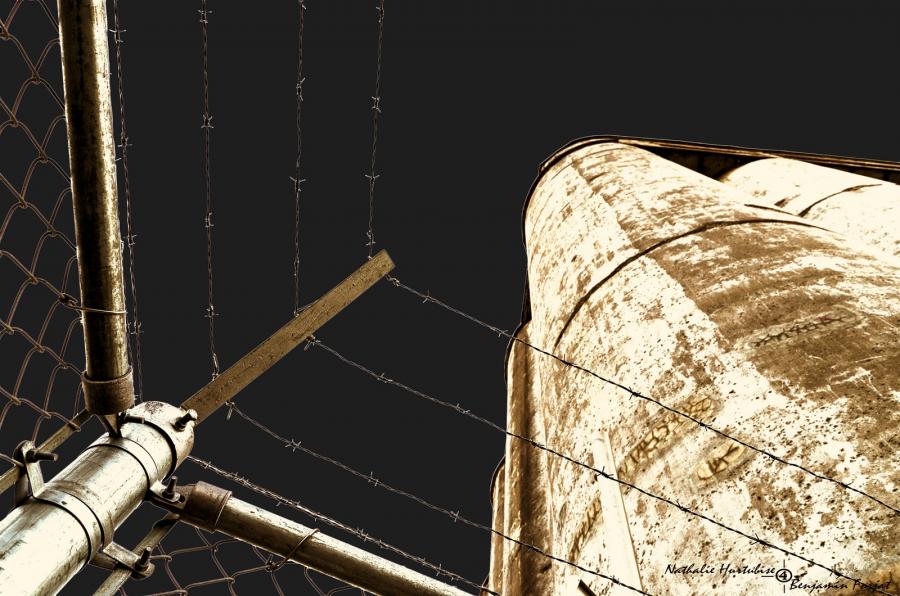
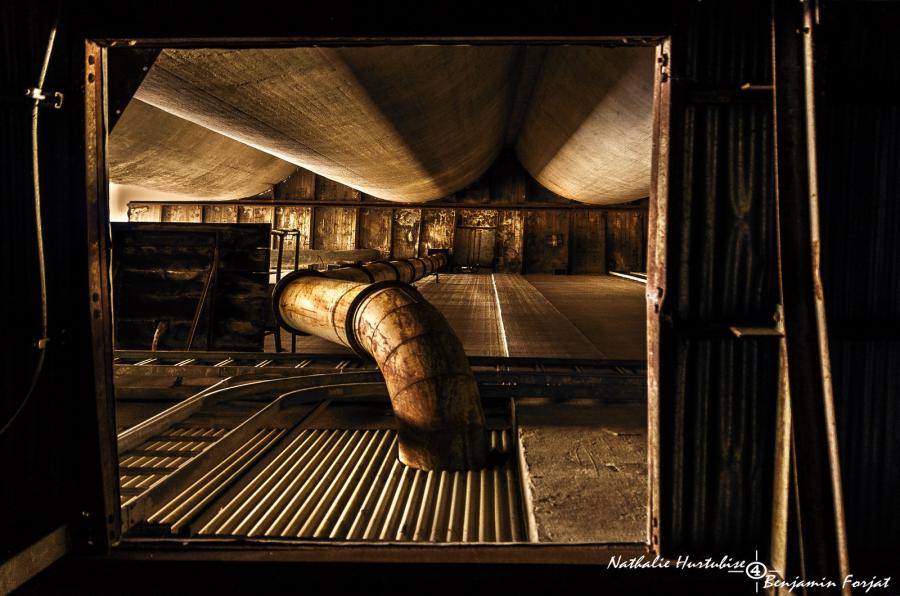
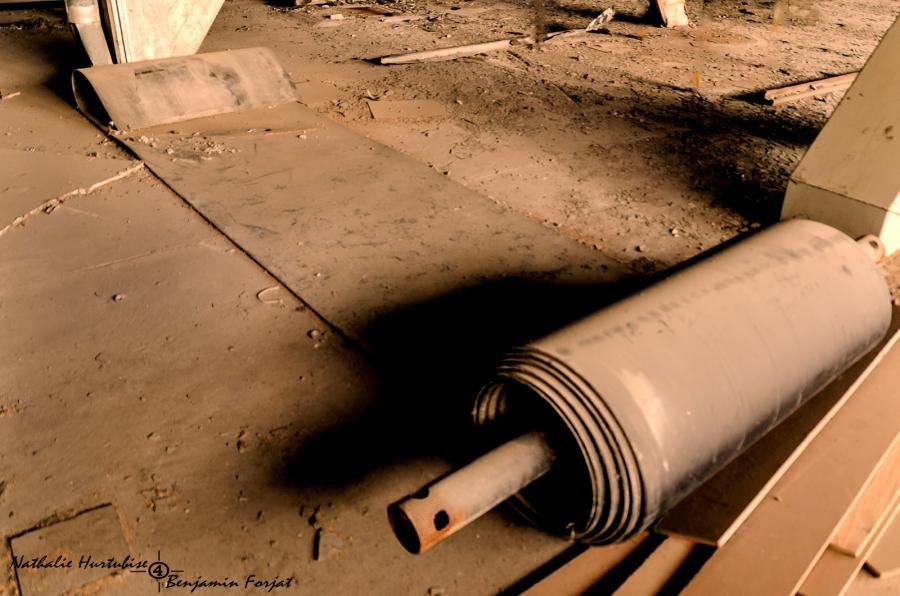
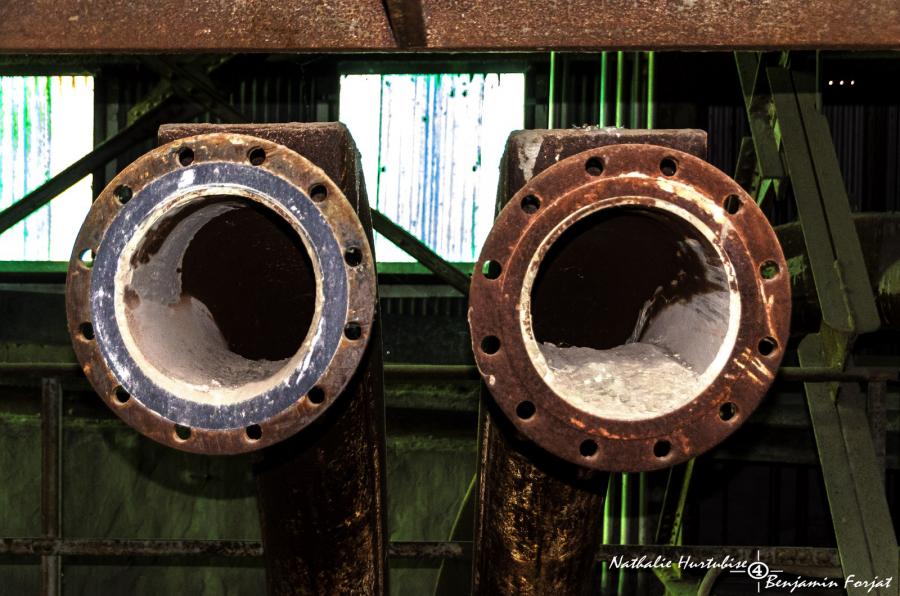
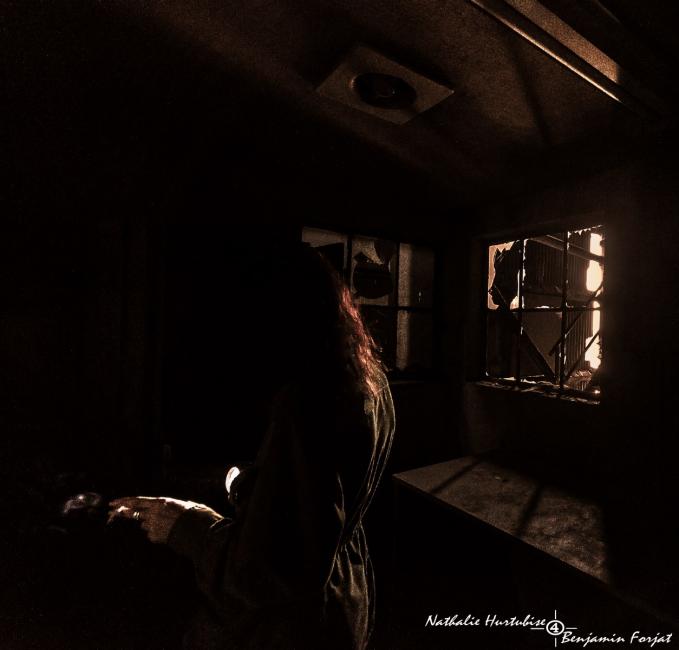
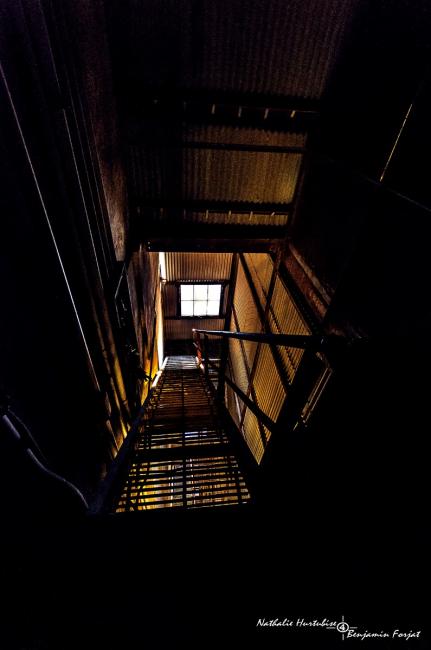
Today, several portions of this huge complex have been demolished, and a new warehouse was built on the site of the former Miron lift. The site is abandoned, although its owner is still the Port of Montreal. The photos were taken in 2013.
In 2014, the grain elevator number 3 is back to life. It is modernized at the cost of $ 22 million and will be used by the company CanEst Transit. See article in the e-magazine Logbook, published by the Port of Montreal at :

Interested by this place? Here are more pictures of Silo #3.


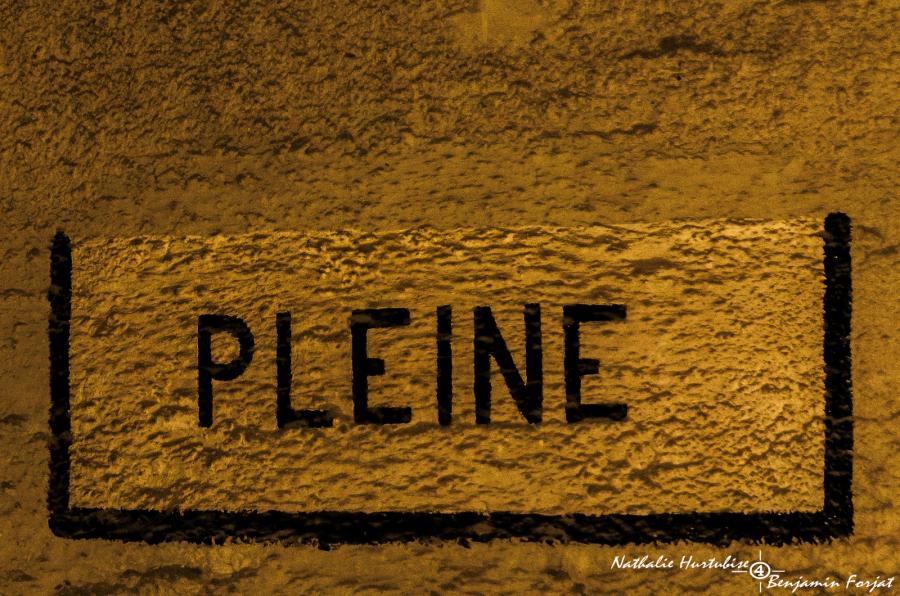

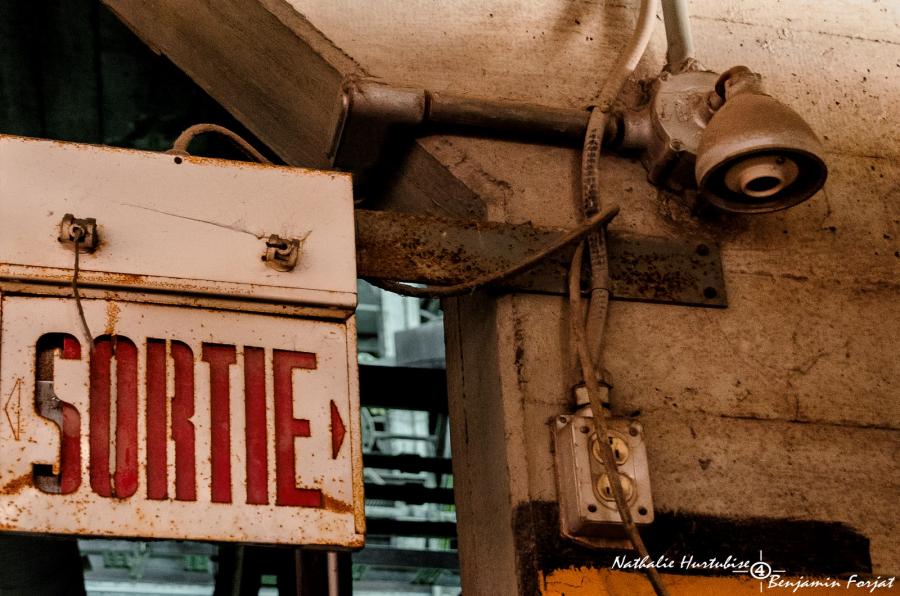
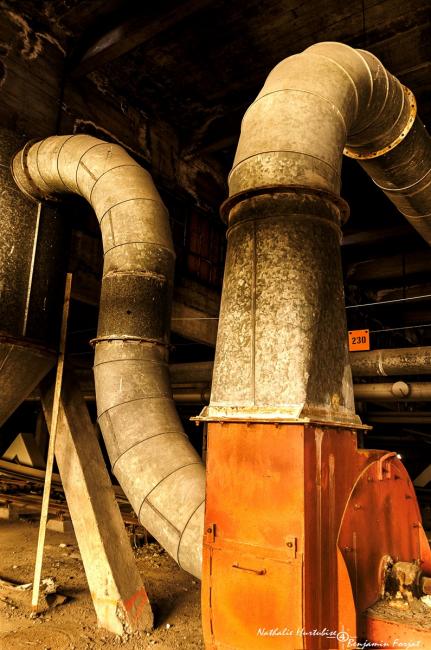
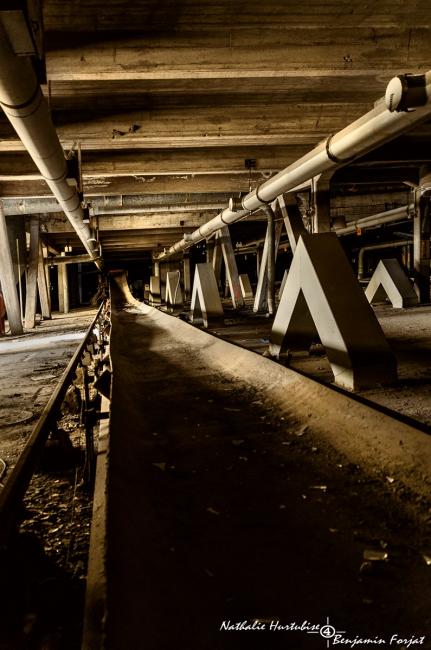




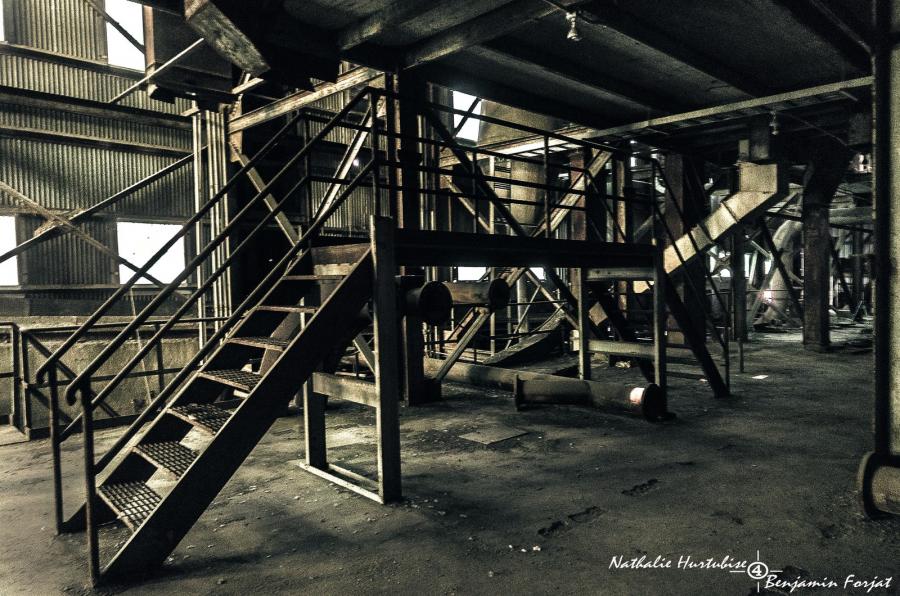
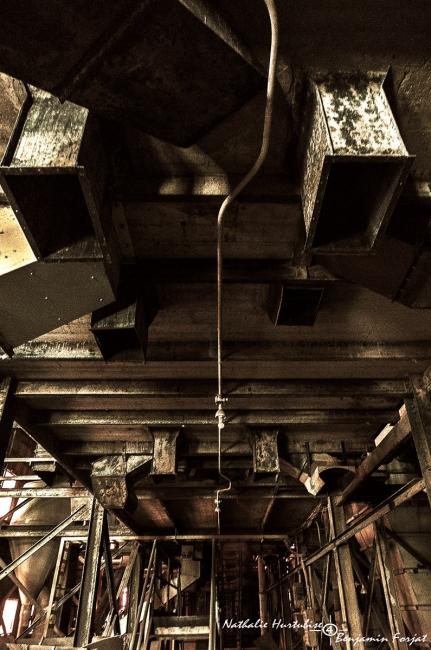
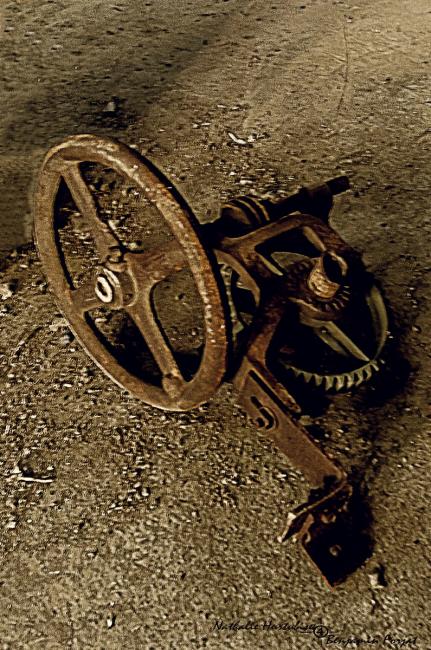
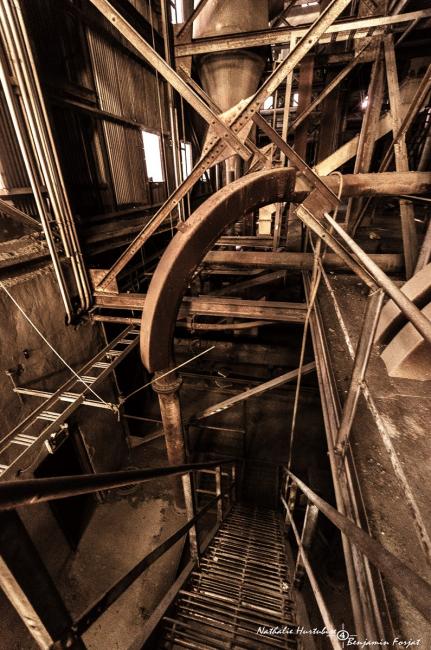


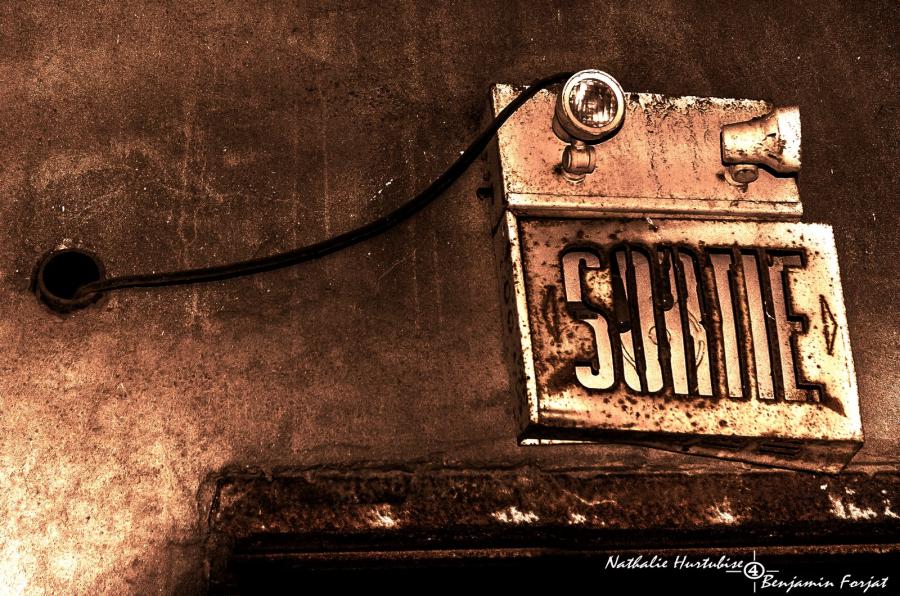
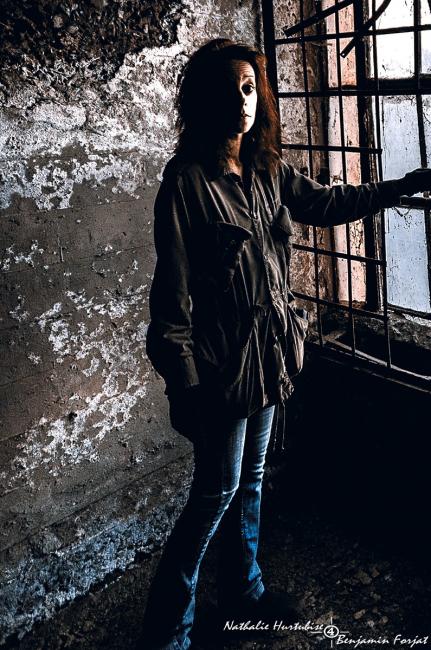

You have information about this place? Better still, you have pictures of this place that you are willing to share? Well, hurry to click this button before I came to kick your ass!
Located a few kilometers from the municipality of Calzadilla de los Barros and its 850 inhabitants, the abandoned aerodrome dates from before the Spanish Civil War which took place from 1936 to 1939 with the victory of General Franco.
It...
So you might think the old Conveyor dock's tower straight out of the fourteenth century, but you're wrong. The pier on which it is located was built in 1956-1957 and was one of the last marine works at the port of Montreal before it does change...
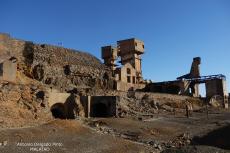
Located in São Domingos (province of Alentejo) south of Lisbon, capital of Portugal, the mine of Achada do Gamo is an abandoned open pit mine. Located in the heart of the Iberian Pyrite Belt, which extends from southern Portugal to Spain, the...

The building, called the Omnipac, is for sale and the sellers offer a touch of humor to attract potential buyers. "Completely renovated," says the sign even if there is a graffiti invasion on every walls and all windows are missing. The place is...


First of all, Urbex Playground is about urban and rural photography lovers. It is the respect of the places we have visited and to whom we have a great admiration. Of its contents, Urbex Playground wishes to preserve the memory of these abandoned, destroyed or dilapidated places who have made the glory of our fathers and which today we have, alas, not enough compassion.
We are not vandals or people necessarily involved in the preservation of these places. We do not pretend to believe that our pictures will change anything in the future of these churches, factories, homes and other abandoned buildings. We're just passionate about the image in the perpetual quest for new photographic challenges.
Urbex Playground is not a photo club, any more than we are touristic guides for these forbidden places. Moreover, in any case, Urbex Playground do not invites you to visit these places without the consent of its owners. These places are dangerous and by entering into these places, legal actions can be taken against you.
However, if you have pictures or information about any abandoned places, do not hesitate to contact us. We will be glad to publish them on the site, including your credit with your name and your website. Like this, our visitors will be able to visite your own website. Do not hesitate to contact us if you have any questions.
Follow us on the following social network. Make sure also to visit these amazing websites by some of our members.
© 2018 Urbex Playground is a creation of Jarold & go. All rights reserved.