It takes a lot of motivation to get to this old mine and foundry abandoned since 2002. For it must be admitted that we are rather far from everything in this distant municipality of 650 inhabitants. Moreover, if this village exists, it is above...

Urban and rural photographic exploration
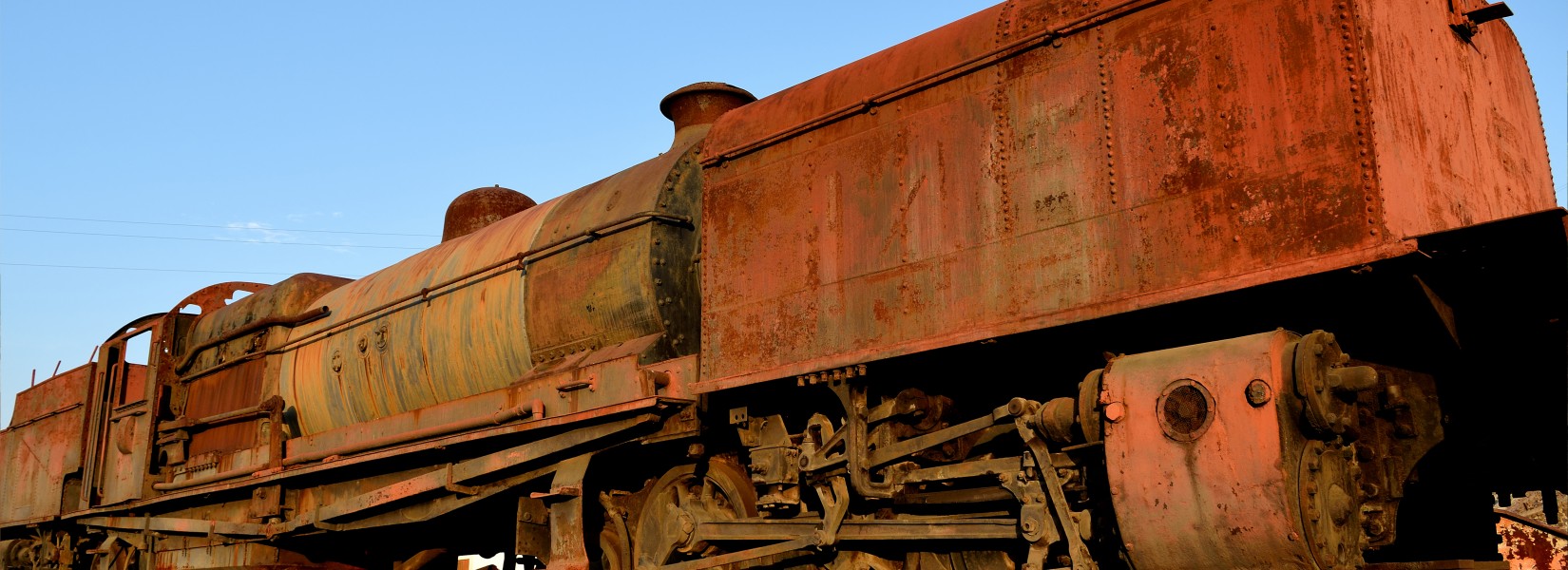
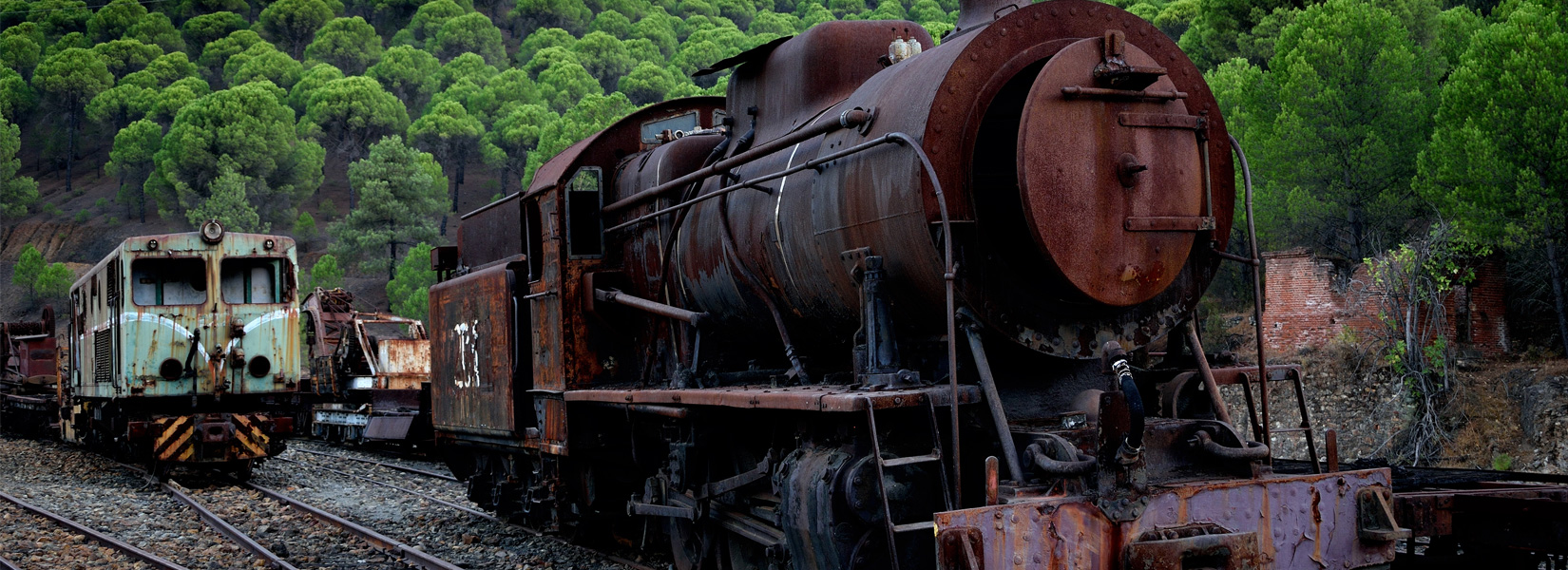
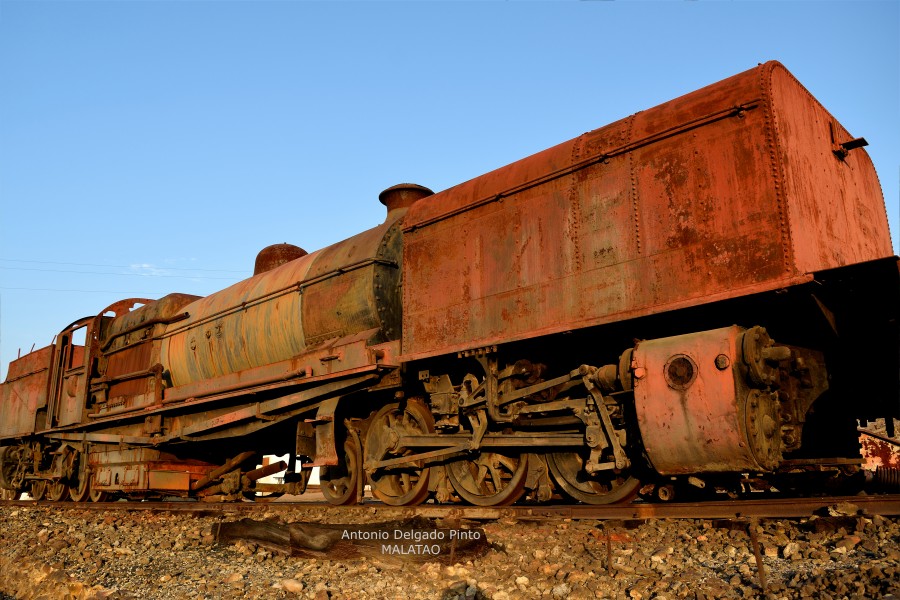
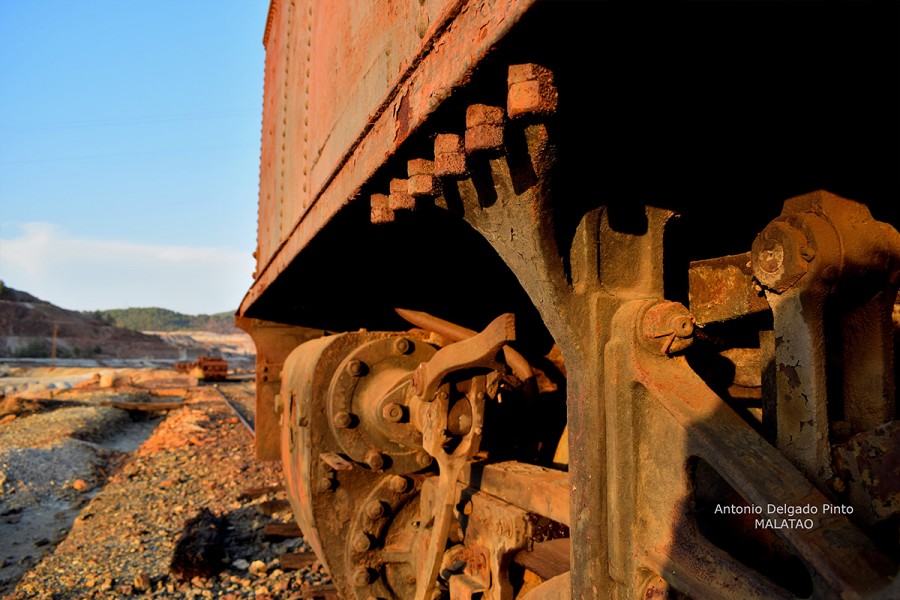
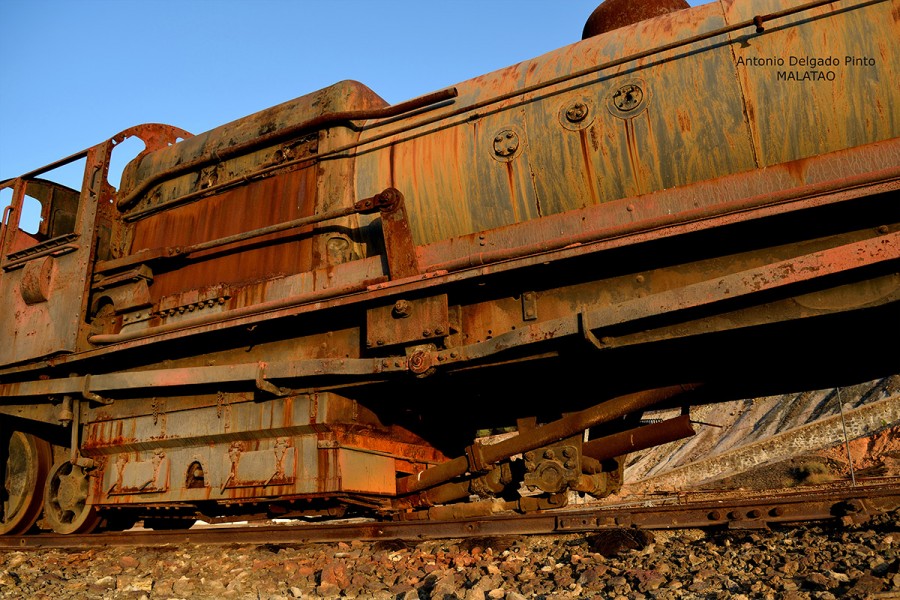
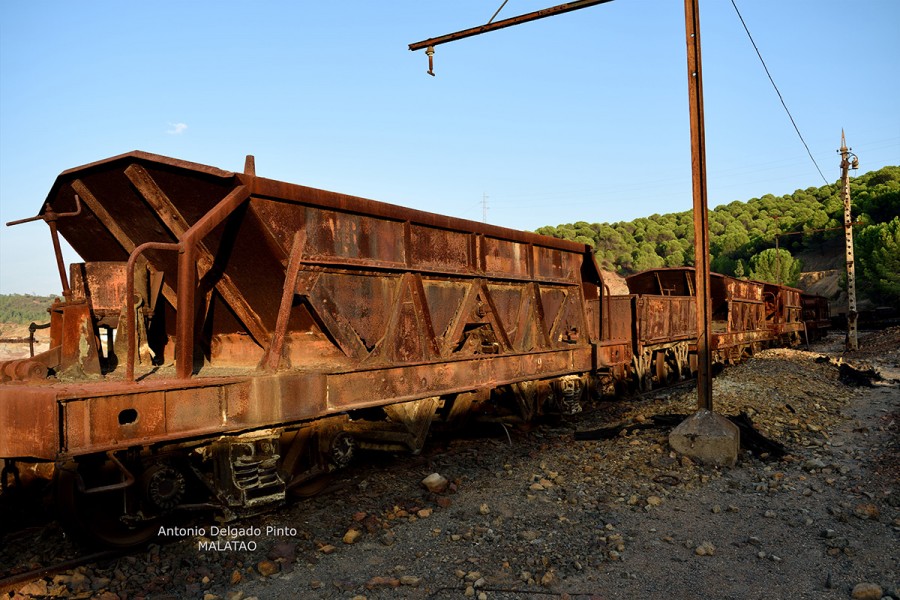
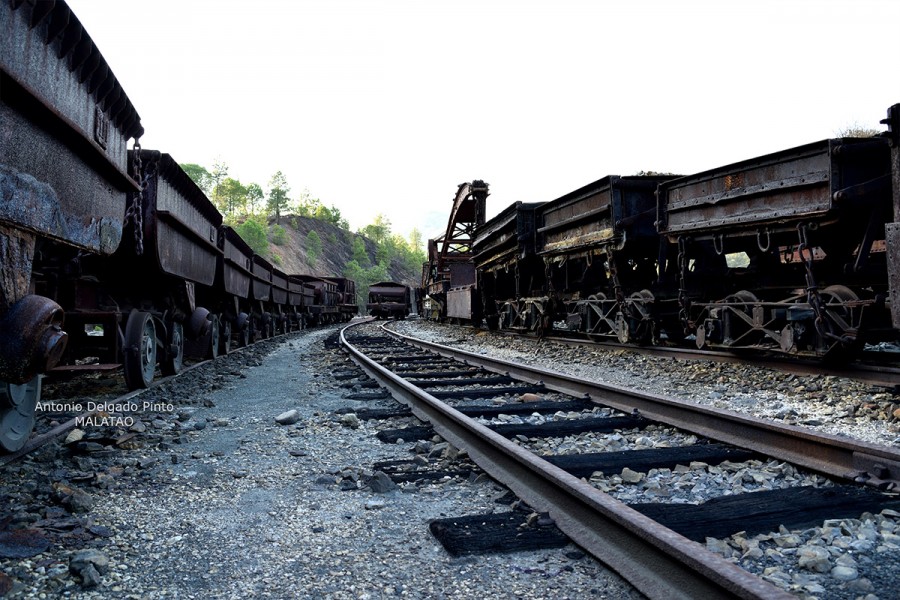
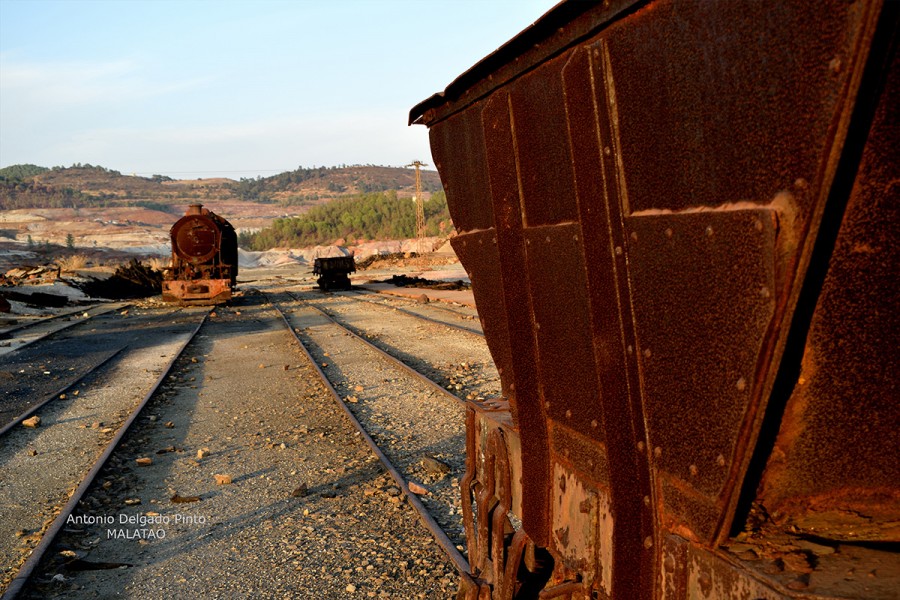
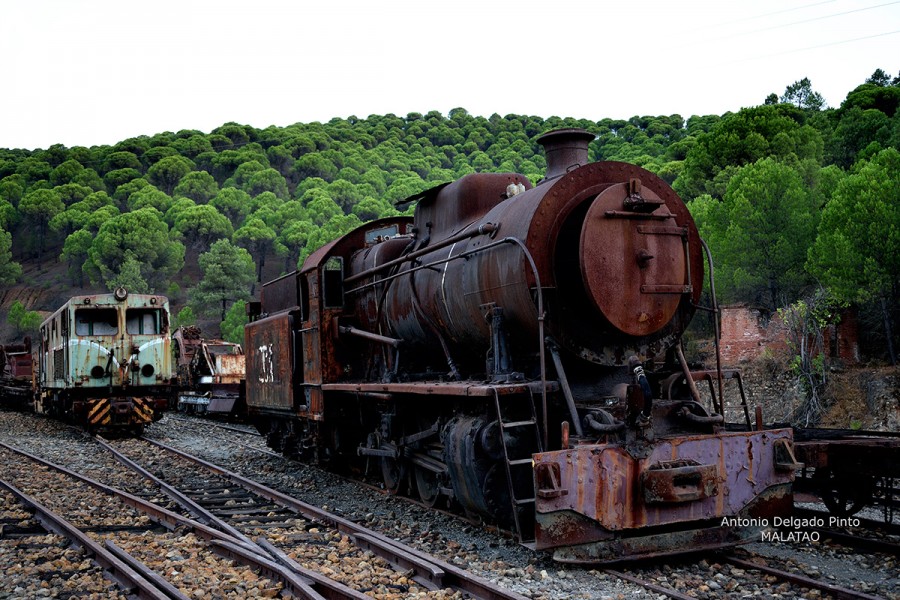
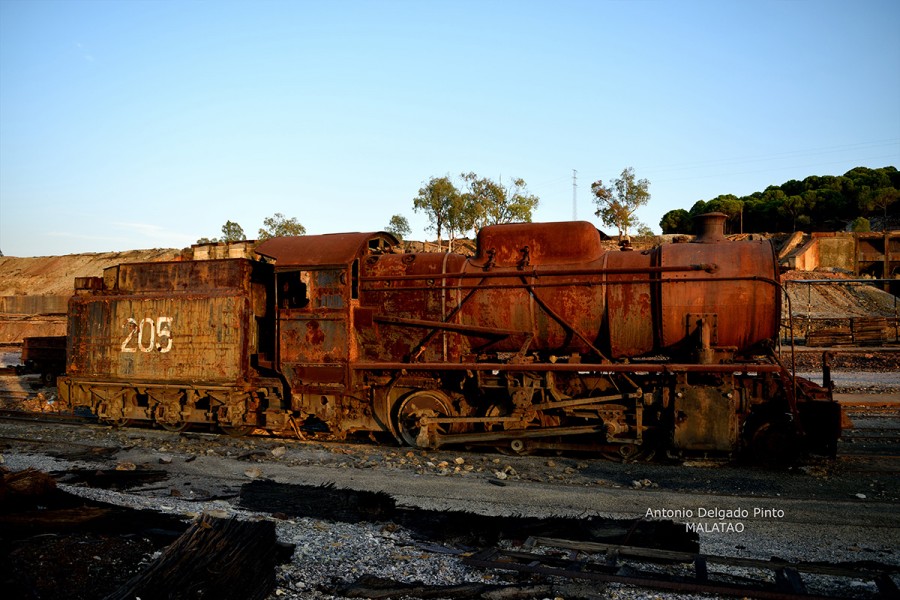
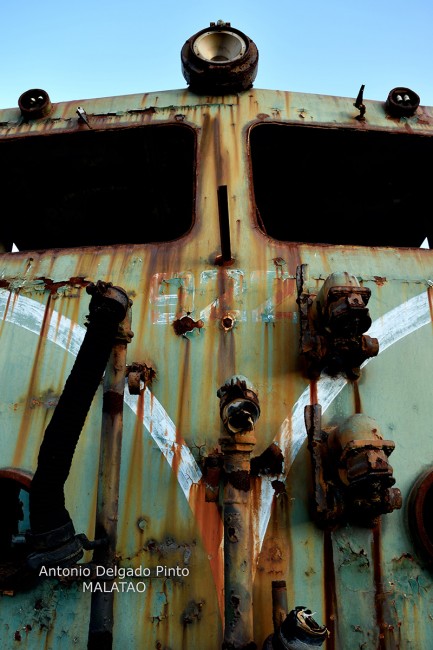
The old Minas de Riotinto locomotives
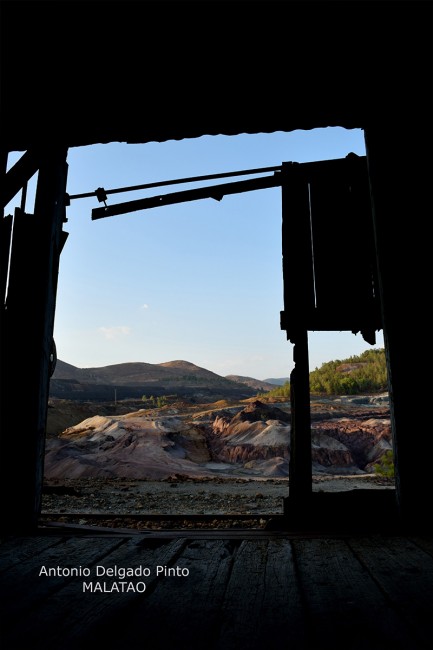
Martian landscape in the heart of Spain
Minas de Riotinto, Spain
We are talking about over 5000 years of mining history in this area. The landscape has been changed forever, and it looks at some places like a alien planet where red, yellow, purple mingle with green, gray and ocher.
The ten abandoned trains account that the site today are only a small part of this industrial landscape that has been suddenly stopped in 1974. At its peak, there was more than 150 trains who were traversing the long and winding road which stretched over 84 km. Each train had between 20 and 50 cars full of pyrite.
The mine located in the town of Minas de Riotinto, as we know it today, began operating in 1875 and stopped almost 100 years later. Today, if the plant is closed, a museum exists on the site.

Photo gallery
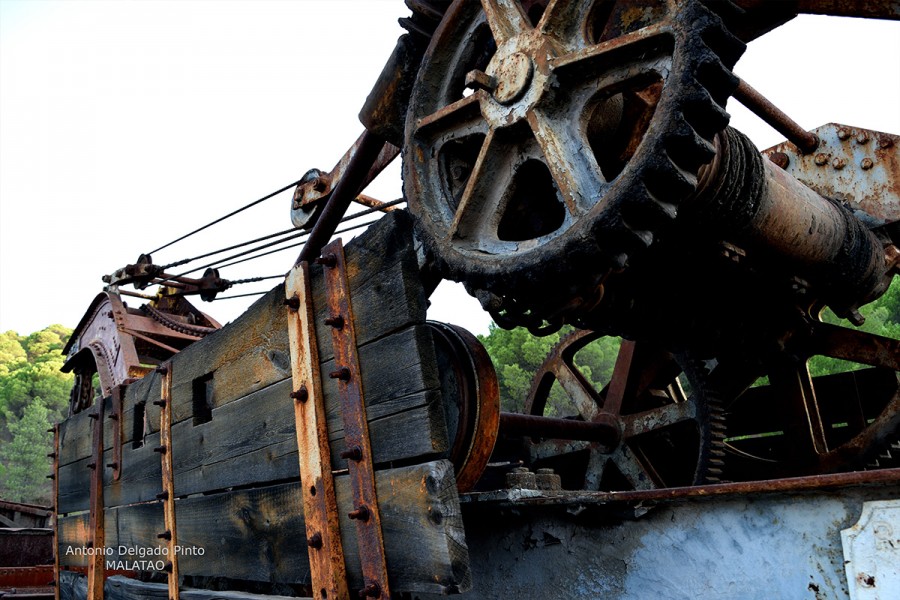
Interested by this place? Here are more pictures of the old Minas de Riotinto locomotives.
Urbex Playground
needs you !
You have information about this place? Better still, you have pictures of this place that you are willing to share? Well, hurry to click this button before I came to kick your ass!
Related content
Montréal, Quebec (Canada)
A true emblem of the Old Port of Montreal, it is difficult to miss the Silo # 5, a gigantic concrete structure south of McGill Street. The complex consists of 206 silos and an amalgam of buildings built over a period of more than fifty years,...
North of Montreal, Quebec (Canada)
First, let me confirm that the hotel is not infested by any bug. To prevent vandalism, I will not mention its real name and its location, preferring instead to give it this nickname in tribute to the many batteries from all the smoke detectors...
Montréal, Quebec (Canada)
Blue Bonnets racetrack saga is not about to end anytime soon. One of the main topic of Montreal 2013 election was the huge eco-friendly residential project that politicians wanted to implant on the former racetrack site. Despite the fact that the...


About Urbex playground
First of all, Urbex Playground is about urban and rural photography lovers. It is the respect of the places we have visited and to whom we have a great admiration. Of its contents, Urbex Playground wishes to preserve the memory of these abandoned, destroyed or dilapidated places who have made the glory of our fathers and which today we have, alas, not enough compassion.
We are not vandals or people necessarily involved in the preservation of these places. We do not pretend to believe that our pictures will change anything in the future of these churches, factories, homes and other abandoned buildings. We're just passionate about the image in the perpetual quest for new photographic challenges.
Urbex Playground is not a photo club, any more than we are touristic guides for these forbidden places. Moreover, in any case, Urbex Playground do not invites you to visit these places without the consent of its owners. These places are dangerous and by entering into these places, legal actions can be taken against you.
However, if you have pictures or information about any abandoned places, do not hesitate to contact us. We will be glad to publish them on the site, including your credit with your name and your website. Like this, our visitors will be able to visite your own website. Do not hesitate to contact us if you have any questions.
Urbex playground is social
Follow us on the following social network. Make sure also to visit these amazing websites by some of our members.
© 2018 Urbex Playground is a creation of Jarold & go. All rights reserved.