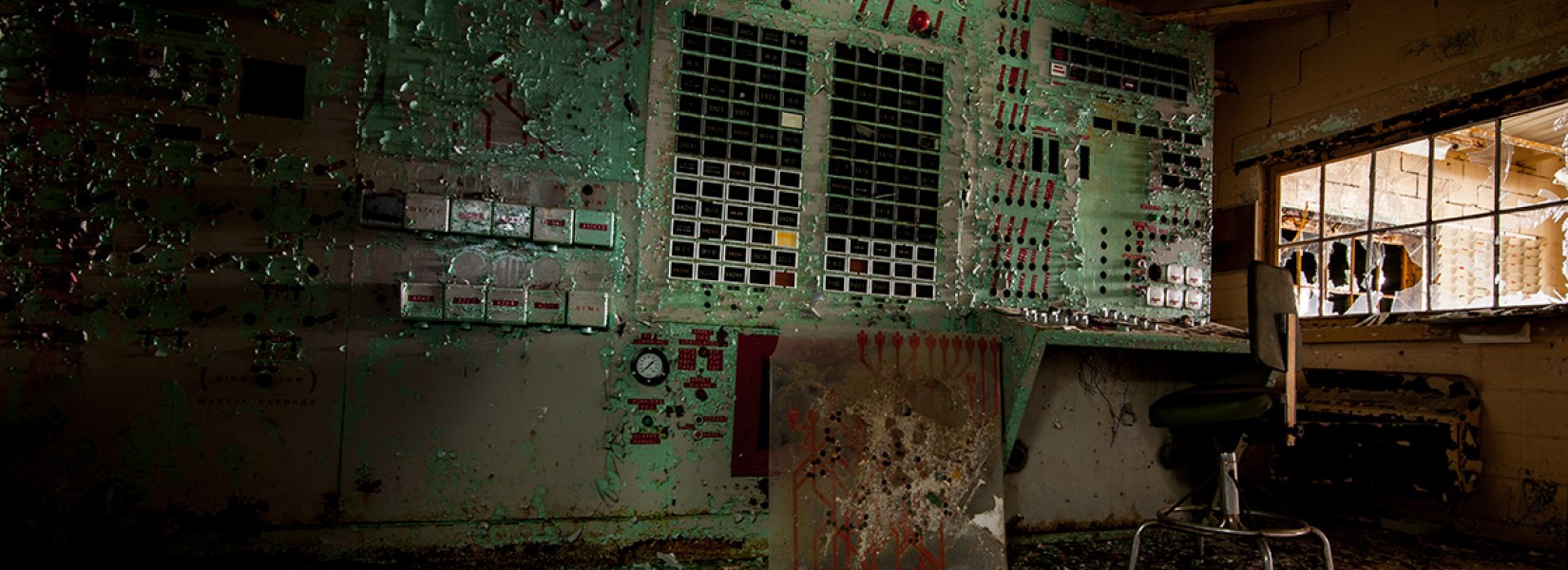
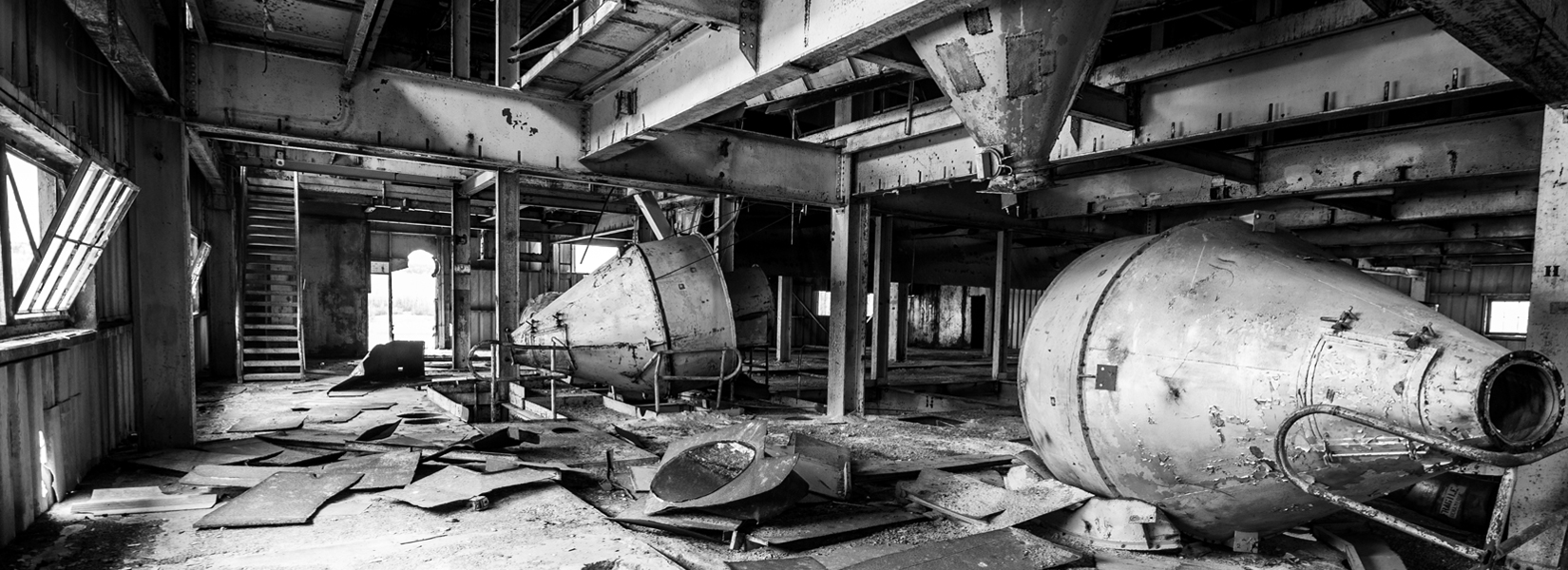
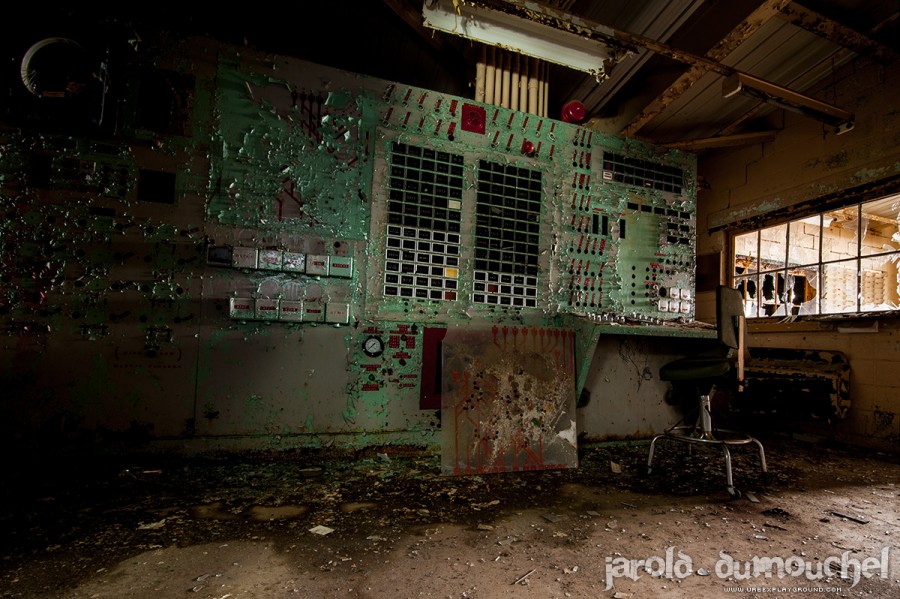
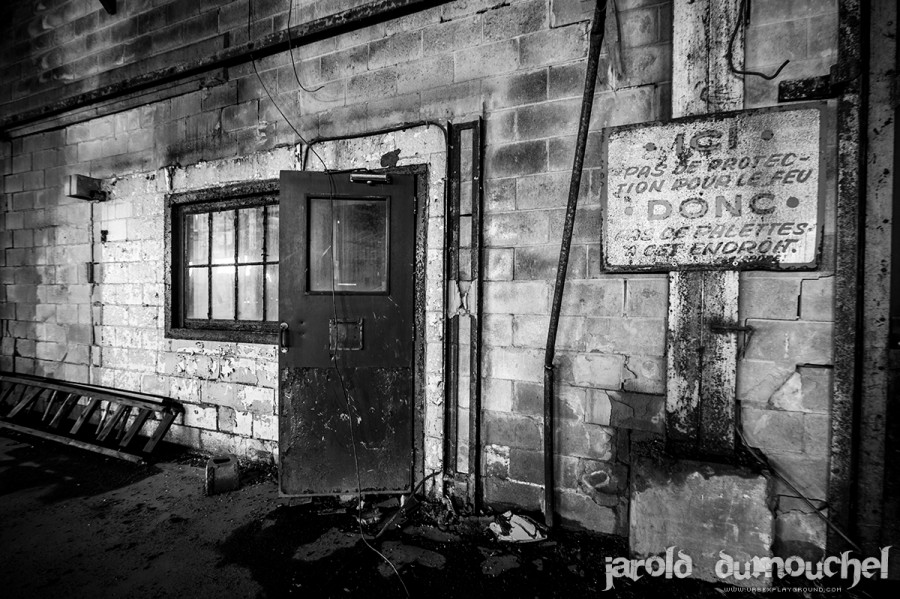
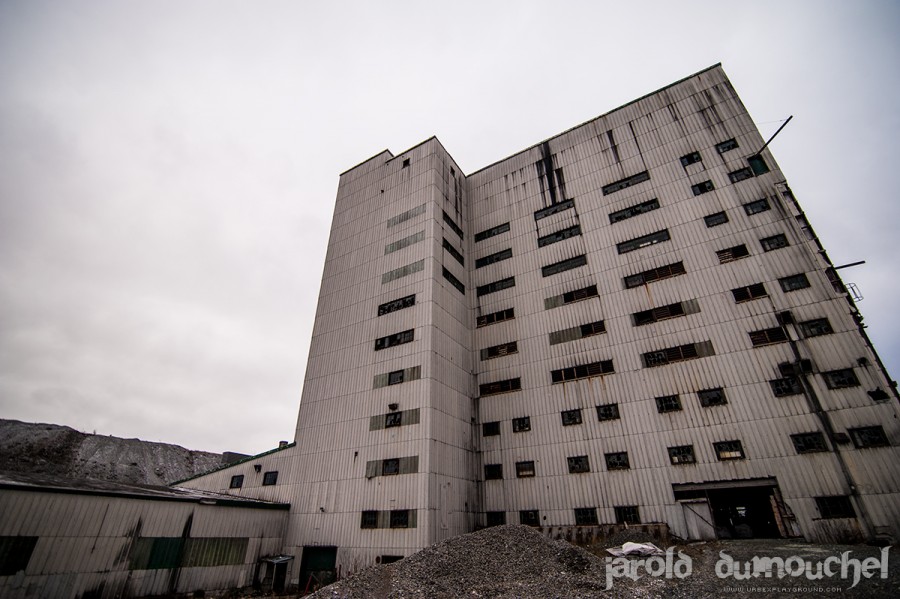
For several times I passed by this little factory located in an old industrial area in the Eastern Townships, but I never been inside. Each time, I wondered if it was still active or abandoned. I must say that several tiles were broken, but I was...

Urban and rural photographic exploration
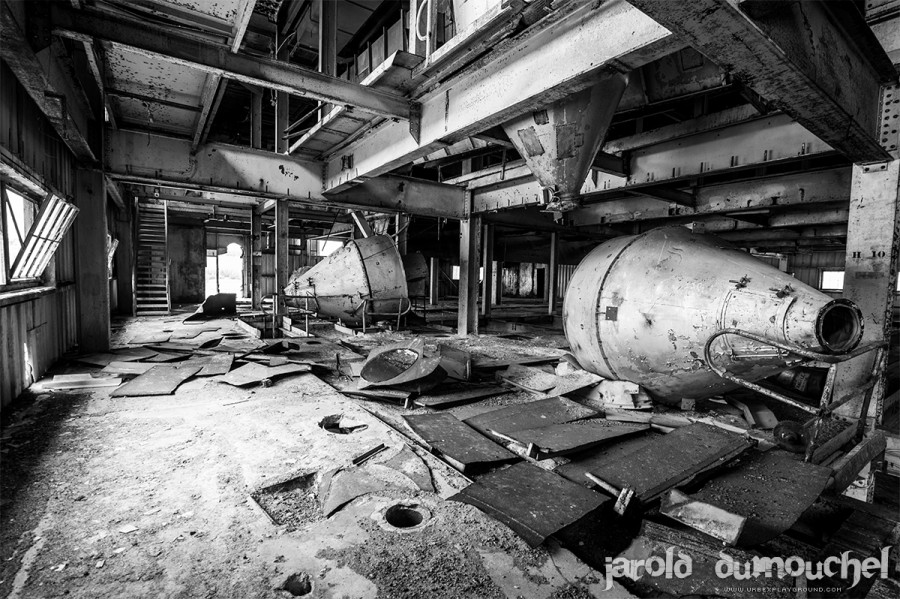
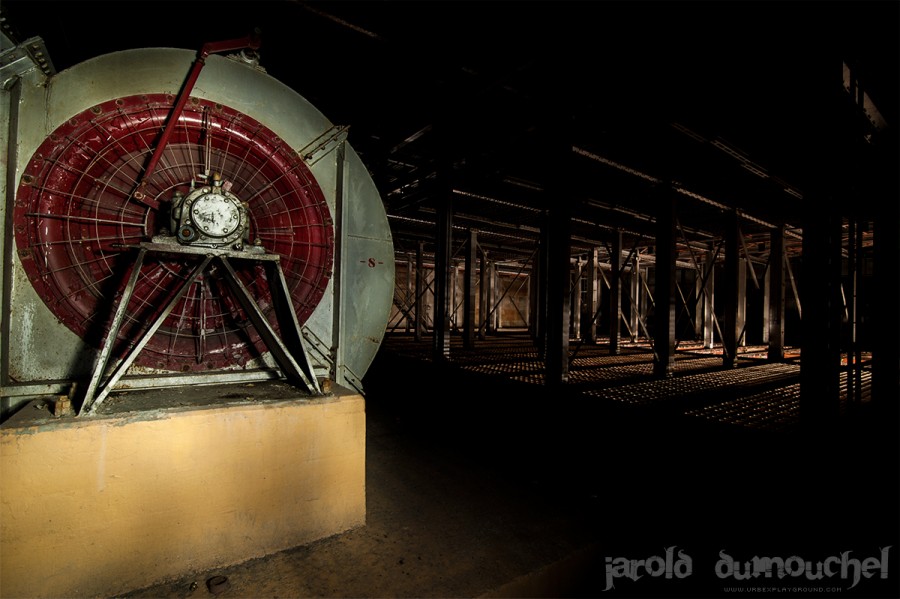
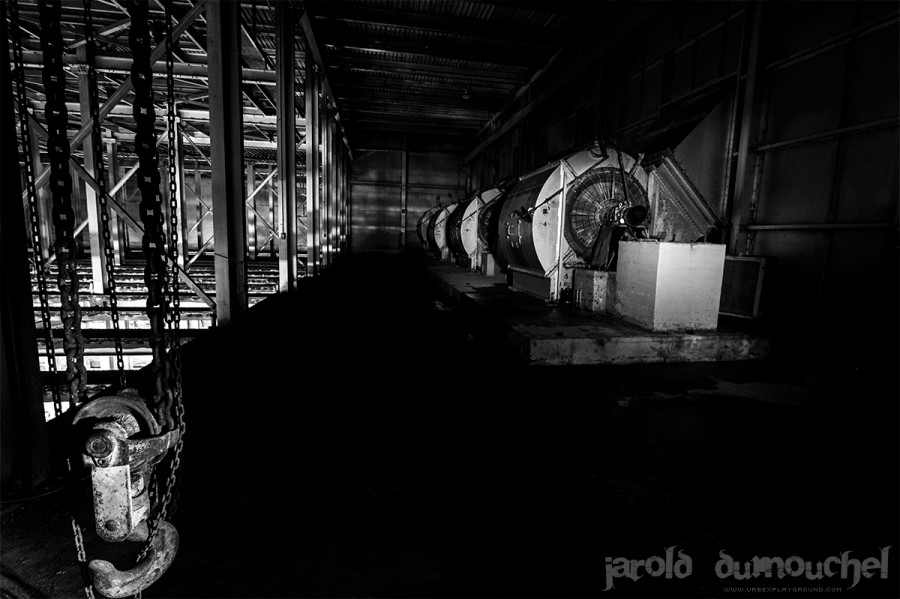
The old abandoned asbestos mine
A walk in the white gold country
Région des Appalaches (Quebec), Canada
The use of asbestos by man does not date from yesterday. Already, more than 2000 years ago, the Greeks used in making funeral clothes. Its name comes from its property to withstand fire: άσβεστος (asbestos, meaning "indestructible").
Its many industrial uses will make it a popular ore when a lode will be discovered in the Thetford Mines area in 1876. Thenceforth, the agricultural landscape of the hinterland will be changed forever. In 100 years, Quebec will become the leader in this industry and will produce in 1976 more than 80% of all Canadian asbestos. The area then saw its golden age which ranks 2nd largest asbestos producers in the world, just behind the Soviet Union.
Five companies share the mining operations in the region. Slowly, the industry will strangle by the reports about its dangers and, in September 2012, after the refusal of the Quebec government to offer a subsidy to revive the last mine in the region still active, Abestos industry will end in the area.
In 1970, studies estimated that more than 3,000 products contain asbestos. Today, asbestos is found in all kinds of industrial and consumer products (brake blocks, asbestos cement pipes and even in children's toys). According to the Le Devoir newspaper website, between 2004 and 2014, Canada imported $ 250 million of products made with asbestos.
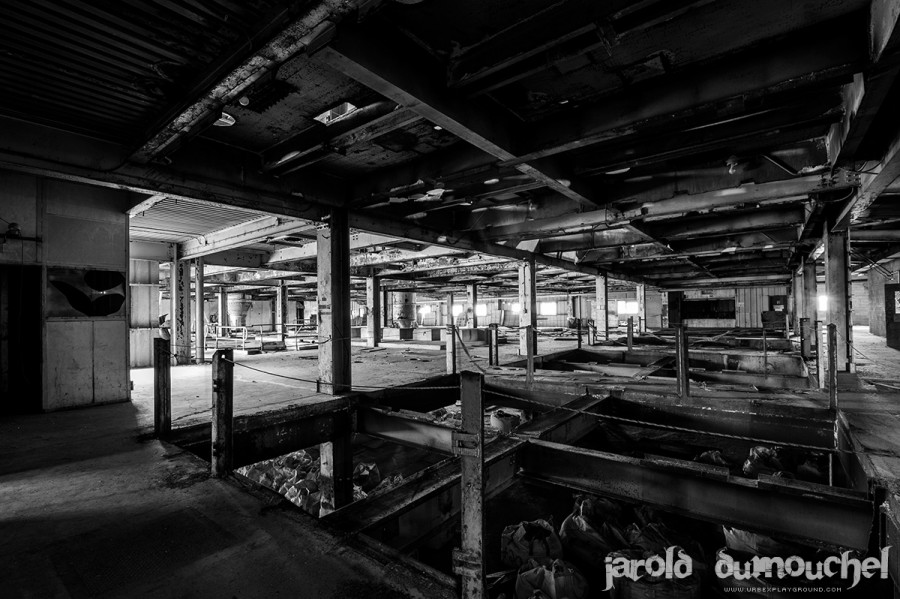
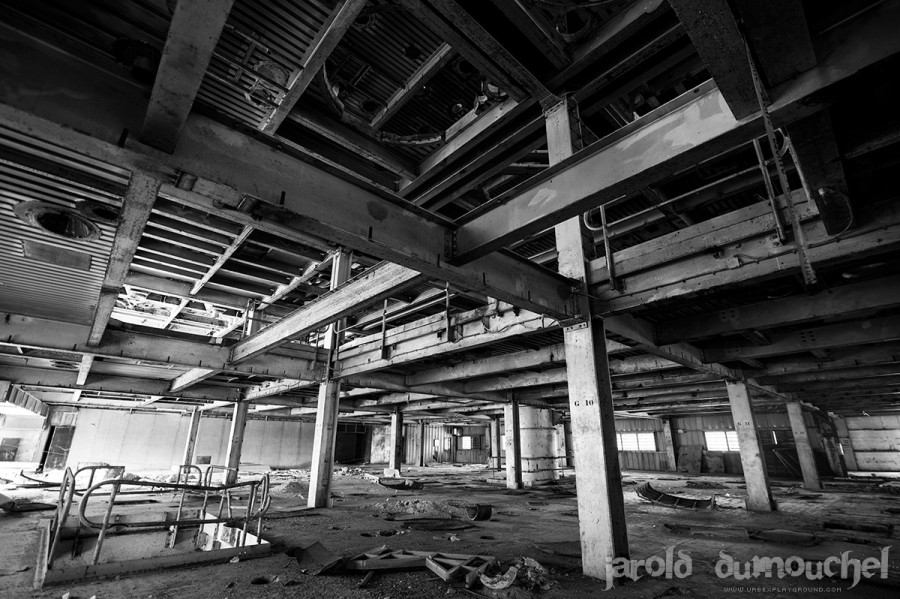
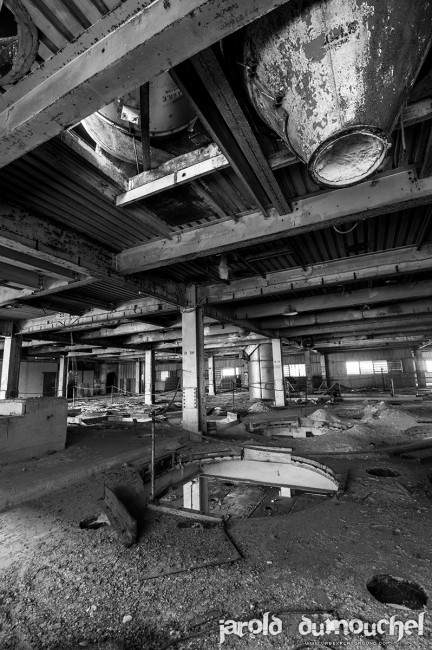
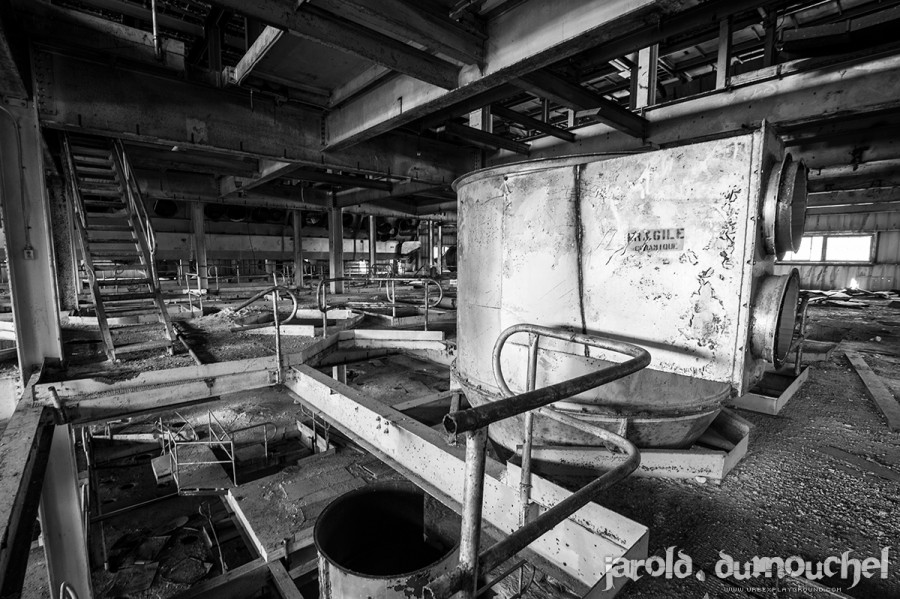
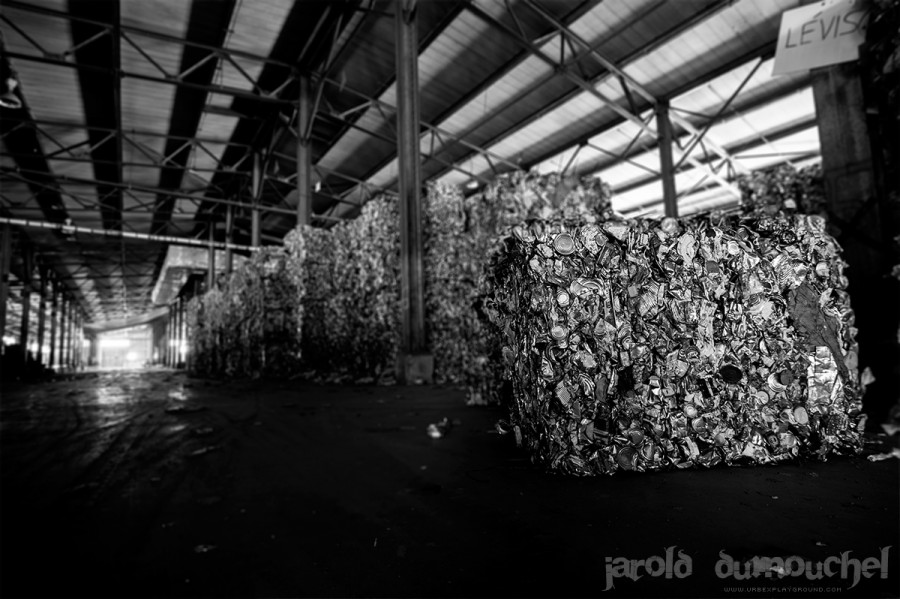
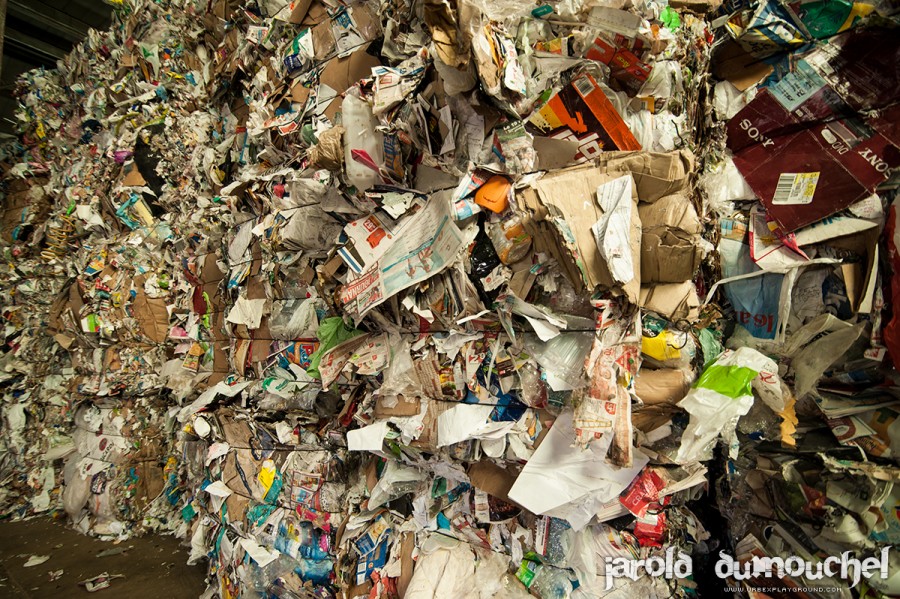
Despite the closure of the mine, there was plenty of activity on the site. A guard carries out patrols and the factory basement is used for recyclable bale storage (cardboard, plastic, metal, tires, etc.) from Lévis.

Photo gallery
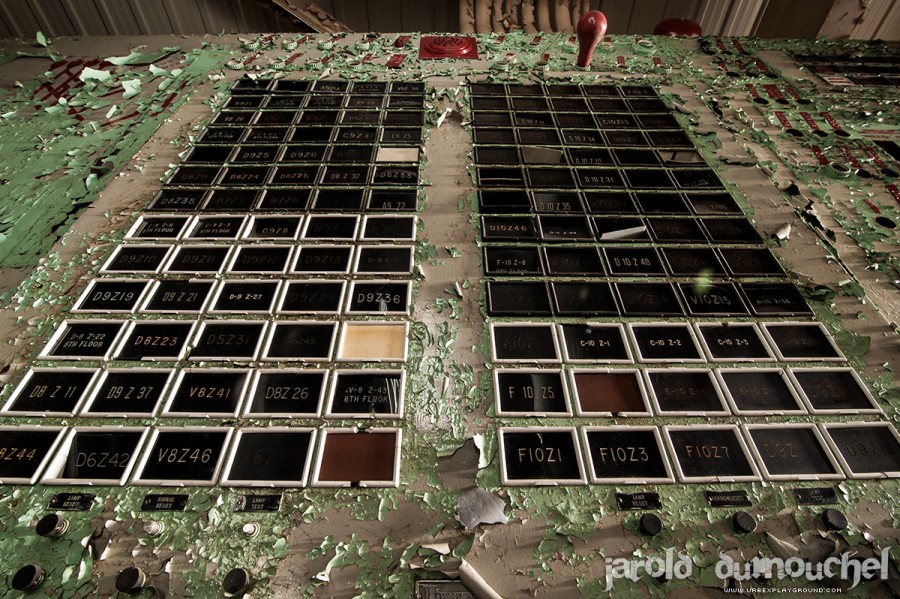
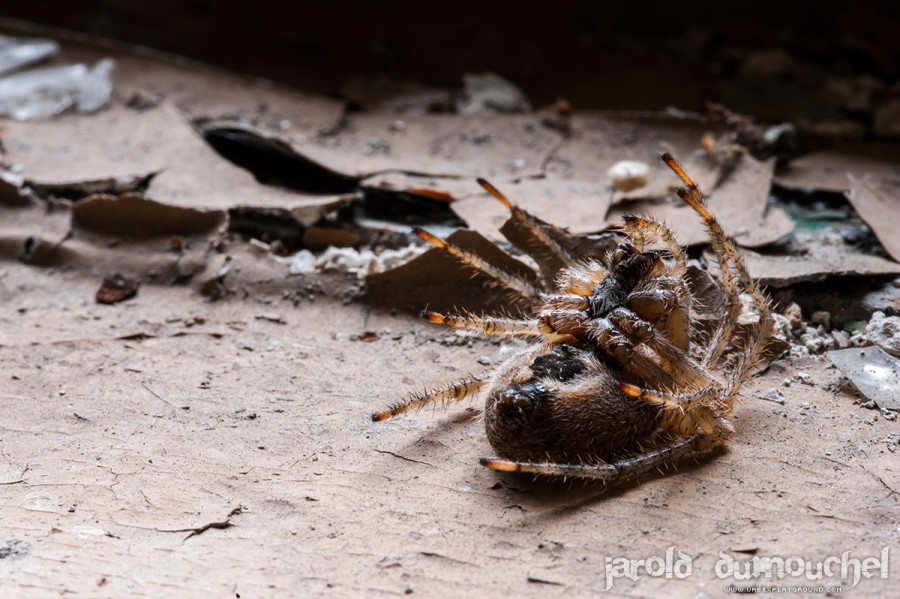
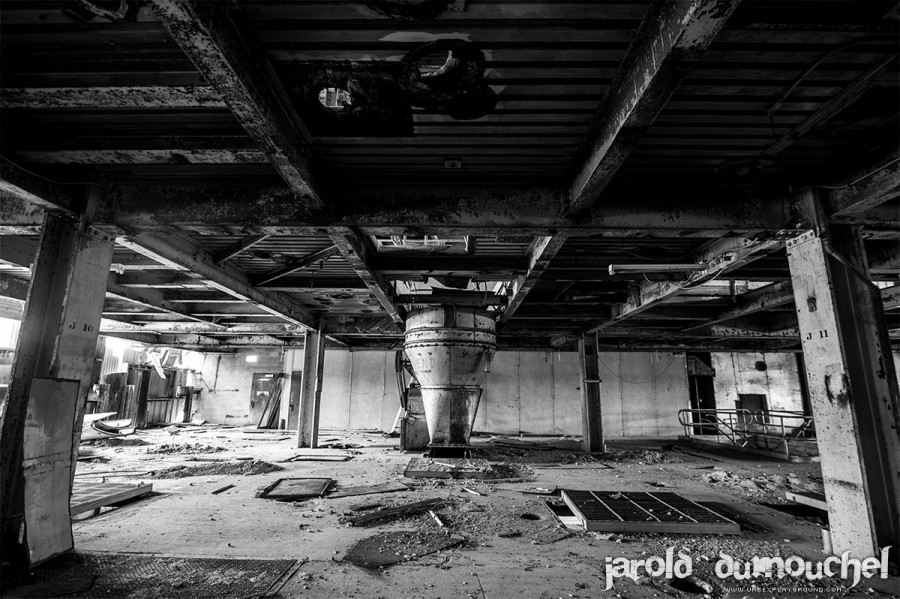
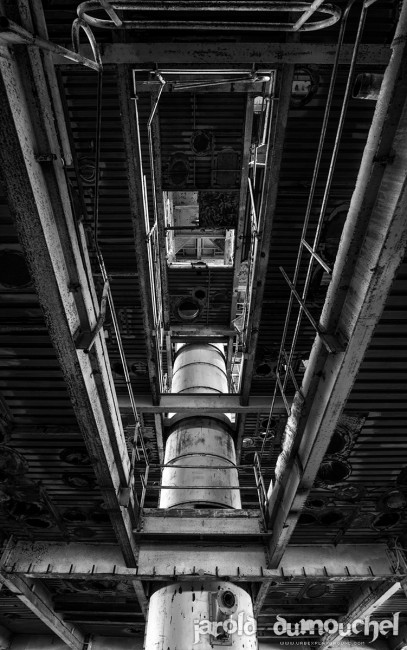
Interested by this place? Here are more pictures of the old abandoned asbestos mine.
Urbex Playground
needs you !
You have information about this place? Better still, you have pictures of this place that you are willing to share? Well, hurry to click this button before I came to kick your ass!
Related content
Lachine, Quebec (Canada)
Victim of the globalization of markets, the history of Stelfil Ltd. has suddenly stopped on March 28, 2008 for the factory and its hundred employees. The company has been decorated in 2002 in the Great manufacturing company category by the...
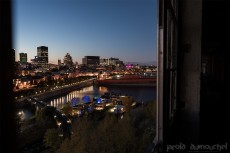
Montréal, Quebec (Canada)
A true emblem of the Old Port of Montreal, it is difficult to miss the Silo # 5, a gigantic concrete structure south of McGill Street. The complex consists of 206 silos and an amalgam of buildings built over a period of more than fifty years,...
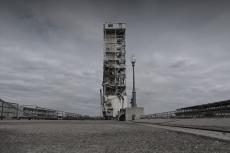
Montréal, Quebec (Canada)
So you might think the old Conveyor dock's tower straight out of the fourteenth century, but you're wrong. The pier on which it is located was built in 1956-1957 and was one of the last marine works at the port of Montreal before it does change...


About Urbex playground
First of all, Urbex Playground is about urban and rural photography lovers. It is the respect of the places we have visited and to whom we have a great admiration. Of its contents, Urbex Playground wishes to preserve the memory of these abandoned, destroyed or dilapidated places who have made the glory of our fathers and which today we have, alas, not enough compassion.
We are not vandals or people necessarily involved in the preservation of these places. We do not pretend to believe that our pictures will change anything in the future of these churches, factories, homes and other abandoned buildings. We're just passionate about the image in the perpetual quest for new photographic challenges.
Urbex Playground is not a photo club, any more than we are touristic guides for these forbidden places. Moreover, in any case, Urbex Playground do not invites you to visit these places without the consent of its owners. These places are dangerous and by entering into these places, legal actions can be taken against you.
However, if you have pictures or information about any abandoned places, do not hesitate to contact us. We will be glad to publish them on the site, including your credit with your name and your website. Like this, our visitors will be able to visite your own website. Do not hesitate to contact us if you have any questions.
Urbex playground is social
Follow us on the following social network. Make sure also to visit these amazing websites by some of our members.
© 2018 Urbex Playground is a creation of Jarold & go. All rights reserved.