
Blue Bonnets racetrack saga is not about to end anytime soon. One of the main topic of Montreal 2013 election was the huge eco-friendly residential project that politicians wanted to implant on the former racetrack site. Despite the fact that the...

Urban and rural photographic exploration
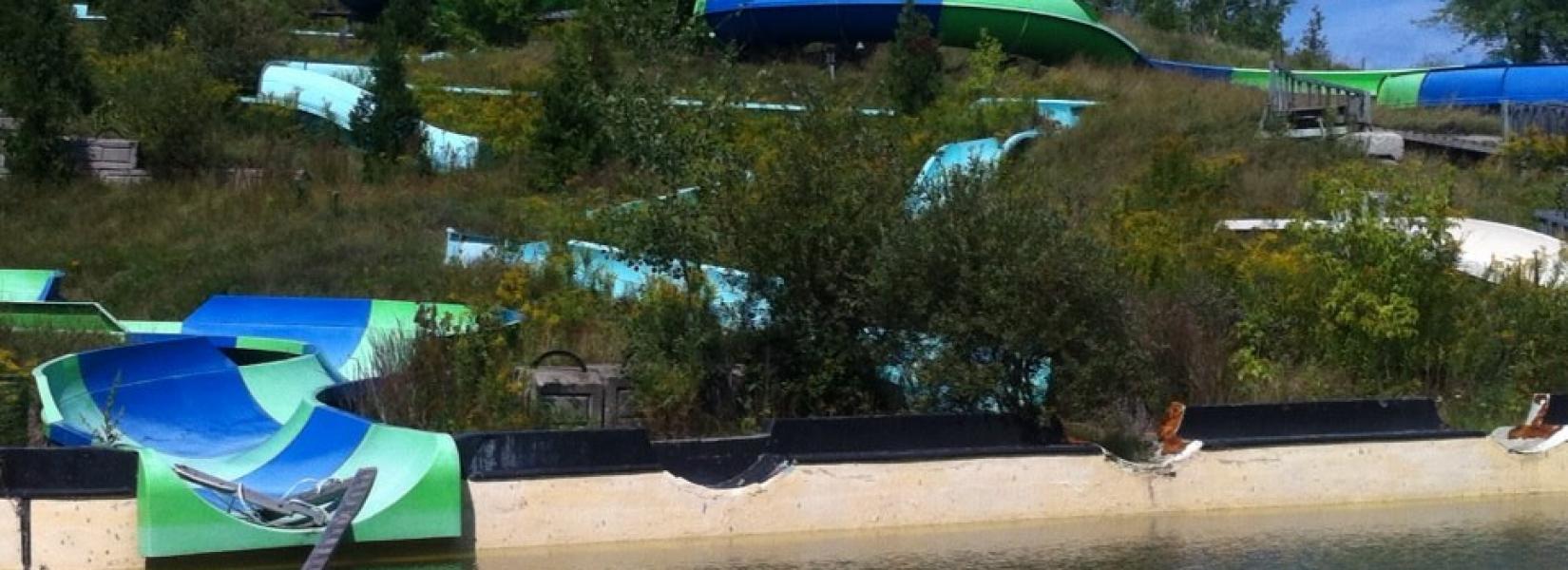
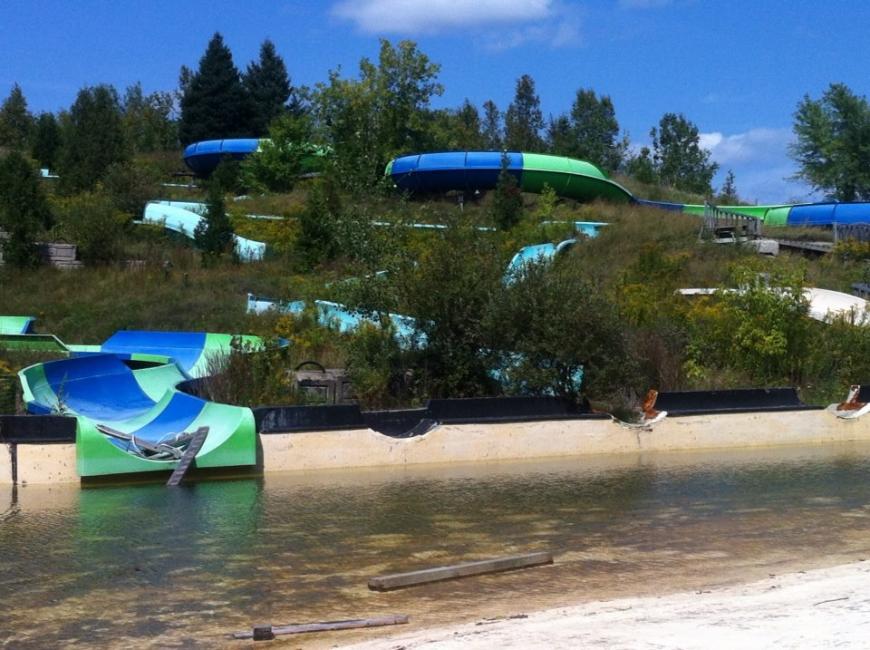
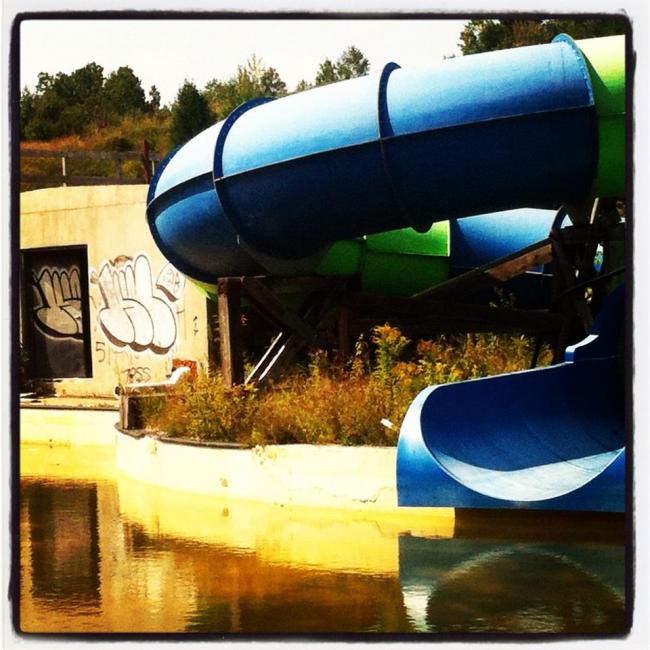
The abandoned waterpark in Piedmont
Piedmont (Quebec), Canada
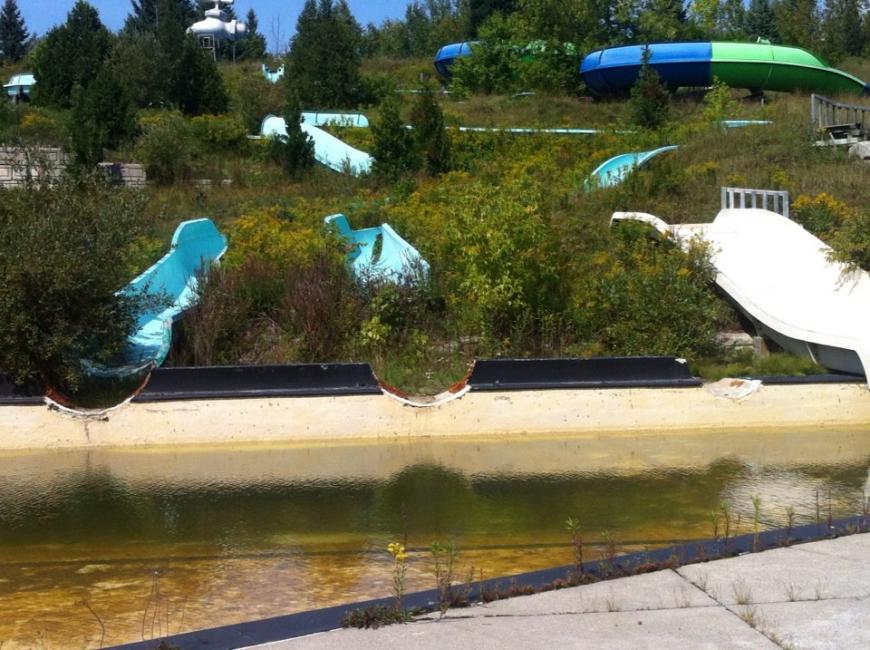
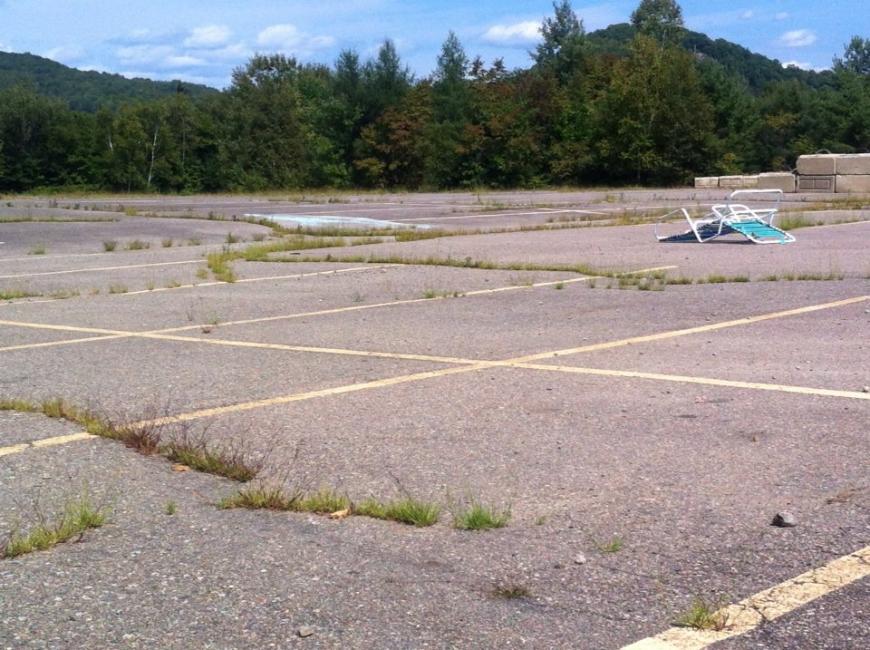
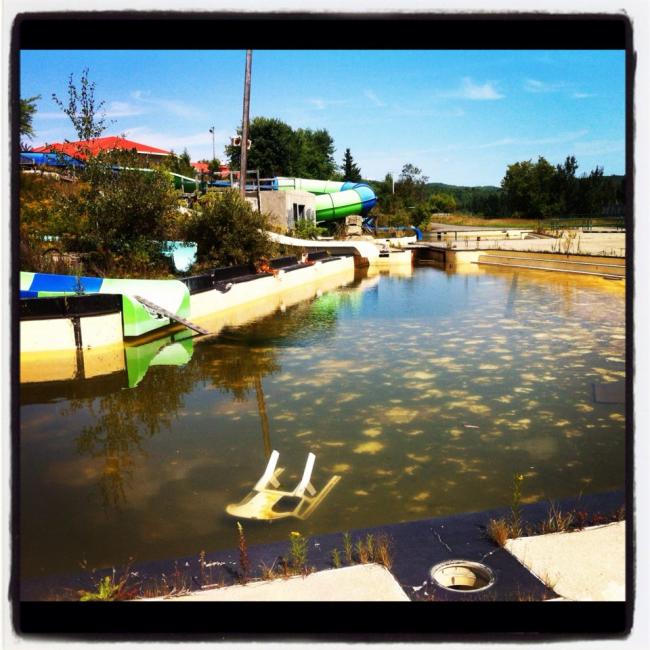
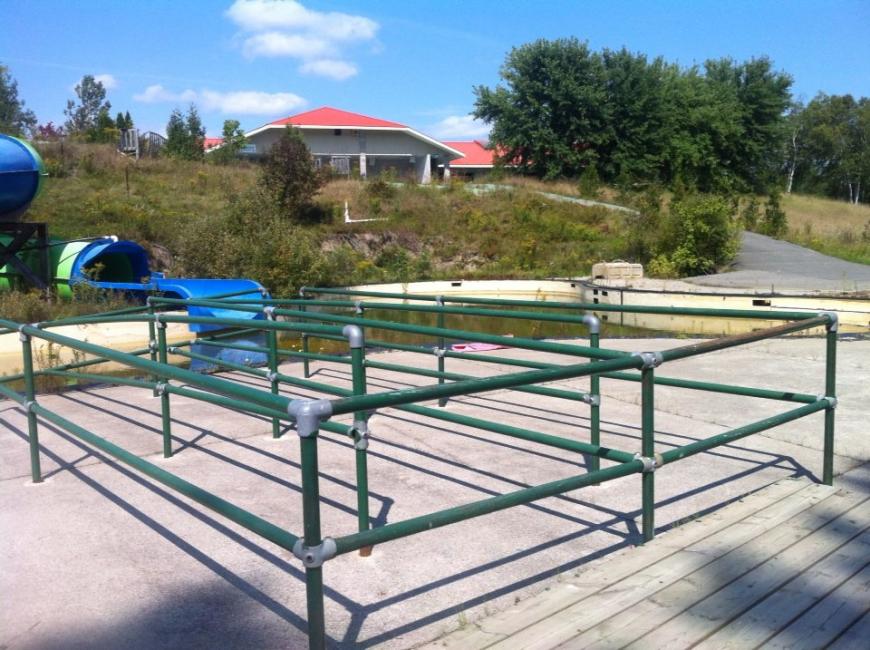
Once upon a time, a small piece of land bordering Autoroute 15 in Piedmont came to life every summer as a place of amusement. The Cascades d'Eau Piedmont, home of the Laurentian's iconic giant faucet, was Quebec's oldest water park when it ceased operations in 2010, 27 years after its gates opened for the first time.
MSSI, owner of the St-Sauveur water park located across Autoroute 15 from Piedmont, bought the Cascades d'Eau several years prior; after years of fighting with the municipality of Piedmont concerning zoning, MSSI decided to close the park. (They had been requesting a zoning change that would permit them to install amusement park rides for children in the upper part of the park, which had been closed years prior).
Several slides were relocated to St-Sauveur, and MSSI had stated that the water faucet would make the move as well; however, as of January 2013 it was still standing guard over the abandoned park.

Photo gallery
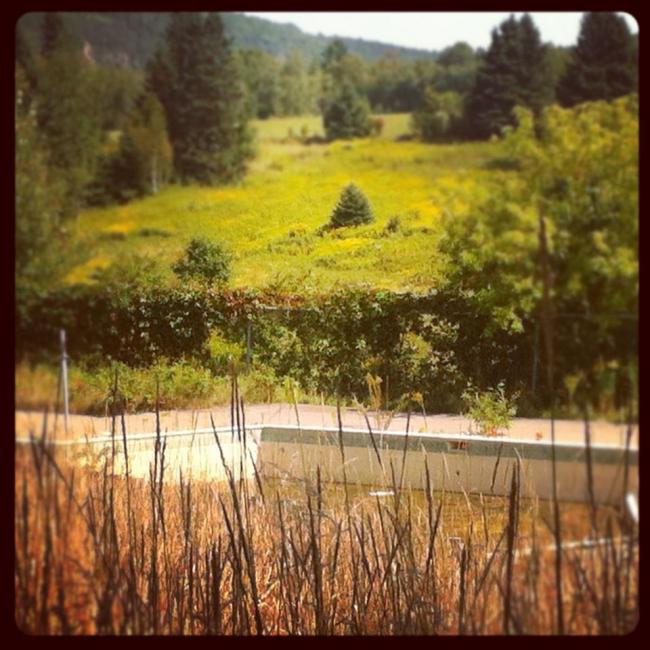
Interested by this place? Here are more pictures of the abandoned waterpark in Piedmont .
Urbex Playground
needs you !
You have information about this place? Better still, you have pictures of this place that you are willing to share? Well, hurry to click this button before I came to kick your ass!
Related content
Mont-Tremblant, Quebec (Canada)
Let's be honest, against the millions of dollars in investments made at Mont-Tremblant Resort located only a few kilometers away, Gray Rocks Hotel was doomed to a certain death. The infrastructure of the aging 103 years old hotel coupled with...
Celles, (Belgium)
Located in the town of Celles, in the Namur area in Belgium, the Miranda castle (or Noisy) is unquestionably one of the most famous Belgian places for urbexers . Built in 1907 (the work has began in 1866), the castle is owned by the Comte...
Berlin, (Germany)
The origin of this construction is surprising. It must first be known that it is located at the top of an artificial mountain made of rubble and other residues from the buildings destroyed during the Second World War. Then, this mountain itself...


About Urbex playground
First of all, Urbex Playground is about urban and rural photography lovers. It is the respect of the places we have visited and to whom we have a great admiration. Of its contents, Urbex Playground wishes to preserve the memory of these abandoned, destroyed or dilapidated places who have made the glory of our fathers and which today we have, alas, not enough compassion.
We are not vandals or people necessarily involved in the preservation of these places. We do not pretend to believe that our pictures will change anything in the future of these churches, factories, homes and other abandoned buildings. We're just passionate about the image in the perpetual quest for new photographic challenges.
Urbex Playground is not a photo club, any more than we are touristic guides for these forbidden places. Moreover, in any case, Urbex Playground do not invites you to visit these places without the consent of its owners. These places are dangerous and by entering into these places, legal actions can be taken against you.
However, if you have pictures or information about any abandoned places, do not hesitate to contact us. We will be glad to publish them on the site, including your credit with your name and your website. Like this, our visitors will be able to visite your own website. Do not hesitate to contact us if you have any questions.
Urbex playground is social
Follow us on the following social network. Make sure also to visit these amazing websites by some of our members.
© 2018 Urbex Playground is a creation of Jarold & go. All rights reserved.